Feed Additives in Animal Health
Dr. S. Navaneetha Krishnan M.V.Sc., PGDAW.,
Animal Nutritionist, Dindigul dist, Tamilnadu.
Introduction
Feed additives is an ingredient or combination of ingredients added to the basic feed mix or parts there of to fulfill the specific need. Usually used in microquantities and requires careful handling and mixing It is used to improve rate of gain, feed efficiency, preventing and controlling disease, prevention against untoward enviromental influences.
Classification of Animal Feed Additives
Feed additives are classified into various categories according to different parameters. Feed additives can be of various types:
Based on European Commission regulations
Based on holistic approach
Based on their origin and function
Feed additives can be categorized as feed antioxidants, compound acidifiers, complex enzymes, mycotoxin adsorbent, mildew prevention, vitamins and electrolytes, L-carnitine hydrochloride, diluted chromium nicotinate, fattening agents, amino acids, antibiotics, binders, minerals, herbs, and premix. A widely recognized classification of animal feed additives based on European Commission regulations and guidelines is as below.
One additional class of feed additives used to include the technological interventions employed in feed additives is Technological additives.
Based on European Commission Regulations
Sensory Additives
This refers to a group of additives which improve the palatability (i.e., voluntary intake) of a diet by stimulating appetite, usually through the effect these products have on the flavor or color of the diet. For example, feed flavours or sweeteners such as vanilla extract may well encourage piglets to eat a ration.
Nutritional Additives
Additives provide specific nutrients for an animal for optimal growth. An example would be a vitamin, amino acid, or trace mineral. In most cases, such additives are simply concentrated forms of nutrients supplied in natural ingredients in the diet.
Zootechnical Additives
These additives improve the nutrient status and production of the livestock, not just by providing specific nutrients but also by assisting the more efficient use of the nutrients present in the diet. An example of such an additive would be an enzyme or direct-fed microbial product, both of which enhance the conditions of the intestinal tract, thus enabling more effective nutrient extraction from the diet. In this respect, they are often referred to as pro-nutrients, i.e., products which improve the nutritional value of a diet without necessarily providing nutrients directly. Other additives are used for environmental benefits that they provide to animal husbandry, and others are targeted for specific physiological functions.
Coccidiostats and Histomonostats
These additives control the health of poultry through direct effects. These compounds are used to control the intestinal health of poultry, and they directly act on the parasitic organisms inhabiting the intestines, and they are not classified as antibiotics (Feed additive classifications 2018).
Technological Additives
This classification refers to a group of additives which influences the technological aspects of the feed. These additives do not directly influence the nutritional value of the feed but may do so indirectly by improving its handling or hygiene characteristics. An example of such an additive would be an organic acid for the preservation of feed (Fig. 1).
|
|
|
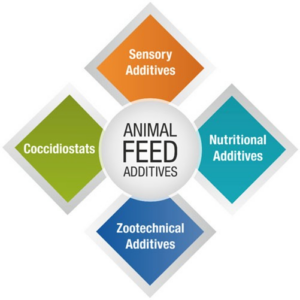
Fig. 1 Classification of technological feed additives
Based on Holistic Approach
Apart from European classification, a more holistic classification provided by the Indian Council of Agricultural Research, Ministry of Agriculture, Government of India, is shown in Fig. 2.
|
|
|
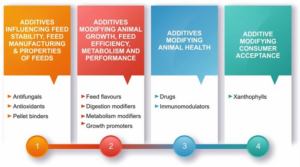
Fig. 2 Indian Council of Agricultural Research (ICAR)— classification of feed additives
1) Additives That Influence Feed Stability,Feed Manufacturing and Properties of Feeds
(a) Antifungals
(b) Antioxidants
(c) Pellet binders
2) Additives That Modify Animal Growth, Feed Efficiency, Metabolism and Performance
(a) Feed flavors
(b) Digestion modifiers
- Enzymes
- Prebiotics
III. Buffers
- Acidifiers
- Ionophores
- Antibloat compound
VII. Isoacids
VIII. Salivation inducers
- Probiotics
- Defaunating agents
(c) Metabolism modifiers
- Hormones
- Beta-adrenergic agents (repartitioning agents)
(d) Growth promotants
- Antibiotics
- Chemotherapeutic agents
III. Prebiotics and probiotics
3) Additives That Modify Animal Health
(e) Drugs
(f) Immunomodulators
4) Additives That Modify Consumer Acceptance
(a) Xanthophylls
Further to have a holistic classification to include all the types and subtypes of animal feed additives, including those included in the above classification based on the primary activity of function performed by a set class, we suggest the following detailed classification.
Based on Their Origin and Function
|
|
|
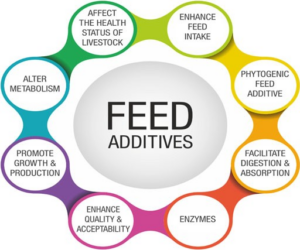

Fig. 3 Holistic classification of feed additives
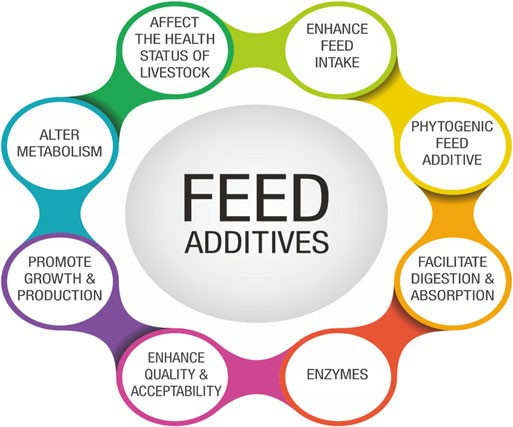
Additives That Enhance Feed Intake
Antioxidants
Antioxidants are compounds that prevent oxidative rancidity of polyunsaturated fats. Rancidity once develops may cause the destruction of vitamins A, D, and E and several of the B complex vitamins. Breakdown products of rancidity may react with lysine and thus affects the protein value of the ration. Ethoxyquin or BHT (butylated hydroxytoluene) can serve as an antioxidant in the feed.
Flavoring Agents
Flavoring agents are feed additives that are supposed to increase palatability and feed intake. There is a need for flavoring agents that will help to keep up feed intake.When highly unpalatable medicants are being mixed:
- During attacks of diseases
- When animals are under stress
- When less palatable feedstuffs are being fed either as such or being incorporated in the ration
Ruminants prefer sweet compounds. Additionally, cattle and goats respond positively to salts of volatile fatty acids. Horses will often refuse musty feed when there is so little mold that the owner fails to detect it.
Additives That Enhance the Quality and Acceptability of the Feed
Poultry owners will often enhance the yellow color by incorporating xanthophylls into broiler feed. Among various additives, arsanilic acid, sodium arsanilate, and roxarsone are added for the purpose.
Anticaking Agents
Anticaking agents are the anhydrous substance that can pick up moisture without themselves becoming wet. They are added to dry mixes to prevent the particles from clumping together and so keep the product free-flowing. They are either anhydrous salts or substance that hold water by surface adhesion yet themselves remain free-flowing:
- Salt or long chain fatty acids
- Calcium phosphate
- Potassium and sodium ferrocyanide
- Magnesium oxide
- Salts silicic acid—Al, Mg, Ca, and salt
- Sodium aluminum silicate
- Sodium calcium aluminum silicate
- Calcium aluminum silicate
Humectants
These are the substance which is required to keep the product moist, for example, bread and cakes. Anticaking agents immobilize moisture that was picked up. Humectants are not of much use in poultry feed.
Firming and Crisping Agents
These are substances that preserve the texture or vegetable tissues and, by maintaining the water pressure inside them, keep them turgid. It prevents a loss of water from the tissues.
Sequestrants
Certain elements such as copper and iron can act as prooxidant catalytic and therefore need to the immobilized. Sequestrants are compounds added to do this. These compounds should have an affinity to metal ions and should prevent the metal in becoming engaged in oxidative action. Most effective sequestrants ethylenediaminetetraacetic acid (EDTA) is a calcium salt of EDTA which works satisfactorily as a sequestrant without interfering with trace mineral metabolism.
Sweeteners
It is the common constitution of food but yet used as an additive, e.g., sugar. Some are poorly digestible and may cause digestive upsets. Saccharin is extensively used during World War I. It is a compound without any calorific value.
Additives such as humectants, firming and crisping agents, sweeteners, emulsifiers, stabilizers, acid, and buffers are not commonly used in poultry feeds.
Additives That Facilitate Digestion and Absorption
Grit
Poultry does not have teeth to grind any hard grain, most grinding takes place in the thick musculated gizzard. The more thoroughly feed is ground, the more surface area is created for digestion and subsequent absorption. Hence, when hard, coarse, or fibrous feeds are fed to poultry, grit is sometimes added to supply additional surface for grinding within gizzard. When mash or finely ground feeds are fed, the value of grit becomes less. Oyster shells, coquina shells, and limestone are used as grit.
Buffers and Neutralizers
During the maximum production stage ruminants are given high doses of concentrate feeds for meeting demands for extra energy and protein requirement of the animal. The condition, on the other hand, lowers the pH of the rumen. Since many of the rumen microbes cannot tolerate low pH environment, the normally heterogeneous balanced popula- tion of microbes become skewed, favoring the acidophilic (acid loving) bacteria. The condition often leads to acidosis and thereby upsets normal digestion. The addition of feed buffers and neutralizers, such as carbonates, bicarbonates, hydroxides, oxides, salts of VFA, phosphate salts, ammo- nium chloride, and sodium sulfate, has been shown to have beneficial effects. Recently the use of baking soda (NaHCO3) has been shown to increase average daily gain by about 10%, feed efficiency by 5–10%, and milk production by about 0.5 L per head per day.
Chelates
The word “chelates” is derived from the Greek word “chele” meaning “claw” which is a good descriptive term for the manner in which polyvalent cations are held by the metal-binding agents. Prior to union with the metal, these organic substances are termed as “ligands.” Ligand + mineral chelate element.
Organic chelates of mineral elements, which are cyclic compounds, are the most important factors controlling absorption of a number of mineral elements. A particular element in chelated form may be released in ionic form at the intestinal wall or might be readily absorbed as the intact chelate. Chelates may be of naturally occurring substances such as chlorophyll, cytochromes, hemoglobin, vitamin B12, some amino acids, etc. or may be of synthetic substances like ethylenediaminetetraacetic acid (EDTA).
- Enzymes
Enzymes are the protein which has the property of catalyzing specific biochemical reactions. They are found in all plants and animals and are responsible for growth and the maintenance of health. Microorganisms also produce enzymes, and in recent years it has been possible to produce enzymes using microorganism on an industrial scale and extract and use these enzymes in a wide range of processes for the production of feed and natural products.
Poultry feeds are largely composed of plant and vegetable materials, and there are enzymes developed to degrade, modify, or extract the plant polymers found in some of the cereals and their by-products. The enzymes can be used to improve the feeding of poultry in the following ways:
- By improving the efficiency of the utilization of the feed
- By upgrading cereals by-products or feed components that are poorly digested
- By providing additional digestive enzymes to help poultry to withstand stress conditions, e.g., hot climates
Some of the cereals are compounds of polymers either of glucose (beta-glucan) or arabinose and xylose (pentosan or hemicellulose). These polymers are not well digested by poultry, and this can result in loss of energy in two ways. Energy may be lost because these polymers hinder the diges- tion of starch by coating starch granules and preventing the action of starch digesting enzymes in the intestine.
Energy may be lost because the animals own enzymes are not capable of degrading the polymers, and therefore they pass through the digestive system untouched. By adding microbial enzymes to the feed, these polymers can be degraded, and their energy value made available to the bird. The dual role of enzymes has been demonstrated in trials with barley-based feed supplemented with beta-glucanase, where the apparent increase in available energy was far in excess of that available in the beta-glucan of the barley. In this case not only was the problem of sticky dropping completely eliminated but the chicken’s rate of growth was equivalent to that observed normally with feeds containing a higher energy density (e.g., wheat based).
- Additives That Promote Growth and Production
Antibiotics
These are substances which are produced by living organisms (mold, bacteria, or green plants) and which in small concentration have bacteriostatic or bactericidal properties. They were originally developed for medical and veterinary purposes to control specific pathogenic organisms. Later, it was discovered that certain antibiotics could increase the rate of growth of young pigs and chicks when included in their diet in small amounts. Soon after this report, a wide range of antibiotics have been tested, and the following have been shown to have growth-promoting properties: penicillin, oxytetracycline (Terramycin), chlortetracycline, bacitracin, streptomycin, tyrothricin, gramicidin, neomycin, erythromycin, and flavomycin.
Increased weight gain is most evident during the period of rapid growth and then decreases. Differences between control and treated animals are greater when the diet is slightly deficient or marginal in protein, B vitamins, or certain mineral elements.
Mode of Action of Antibiotics
- Antibiotics “spare” protein, amino acids, and vitamin on diets containing 1–3% less protein, but balance experiments have often failed to show increased nitrogen retention. Growth stimulation has been greatest when the antibiotic penicillin supplement has been added to a ration containing no protein supplements of animal origin or to a ration low in vitamin B12. Under hygienic conditions, growth increases are small.
- Intestinal wall of animals fed antibiotics is thinner than that of untreated animals which might explain the enhanced absorption of calcium shown for chicks.
- Reduce or eliminate the activity of pathogens causing “subclinical infection.”
- Reduce the growth of microorganisms that compete with the host for supplies of nutrients.
- Antibiotics alter intestinal bacteria so that less urease is produced and thus less ammonia is formed. Ammonia is highly toxic and suppresses growth in nonruminants.
- Stimulate the growth of microorganisms that synthesize known or unidentified nutrients.
The following points should be kept in mind while using antibiotics for animal feeding:
- Antibiotics should be used only for:
– Growing and fattening pigs for slaughter as pork or bacon
– Growing chicks and turkey poults for killing as table poultry
- Antibiotics should not be used in the feed of ruminant animals (cattle, sheep, and goats), breeding pigs, and breeding and laying poultry stock.
- While adding antibiotics at the recommended level, care should be taken that they are thoroughly and evenly mixed with the feed.
- For best results, antibiotics should be used with properly balanced feeds. Also, the feeds containing antibiotics should be fed only to the type of stock for which they are intended.
- Antibiotics are not a substitute for good management and healthy living conditions or for properly balanced rations.
Probiotic and Prebiotic
The animal gut is composed of nearly a thousand different types of microorganisms, some of them are beneficial some are not. The gut microflora plays a very important role in health and disease condition of the living being. The healthy condition is due to the presence of beneficial bacteria which is also termed as probiotic or due to the intake of nutrients that stimulate the endogenous beneficial microbes (prebiotics).
A probiotic is defined classically as a viable microbial dietary supplement that beneficially affects the host through its effects in the intestinal tract . Probiotics are live microbial feed supplements which are beneficial to the host animals and help to improve their intestinal microbial balance.
A prebiotic is defined as a nondigestible food ingredient that beneficially affects the host by selectively stimulating the growth and/or activity of one or a limited number of bacteria in the colon. Use of prebiotic causes change in the colonic microflora composition with dominance of a few of the potentially health-promoting bacteria, especially, but not exclusively, Lactobacilli and Bifidobacterium . Prebiotics target animal-associated microbiota with the goal of improving health, whereas probiotics use live microorganisms.
Probiotics
The genera of bacteria which are most frequently used as prebiotics are Lactobacilli and Bifidobacterium, Enterococcus faecium, and spore-forming Bacillus spp., while some yeasts are also used such as Saccharomyces. There are several new uses of probiotics that were previously unthinkable. But the efficacy of these is not misunderstood and consider for the cure of everything. Probiotics are very specific and strain dependent, and hence different strains are beneficial in different disorders. Some strains of probiotics may be detrimental to certain individuals, and it may worsen the condition of disease in certain individuals. Moreover, the investigation regarding the dose-dependence relationship is also very rare. Though numerous research have been conducted on probiotics in the past two decades, still there is much to be discovered.
They benefit the host by:
- Having a direct antagonistic effect against specific group of undesirable or harmful organism through production of antibacterial compounds, elementary, or minimizing their competition of nutrients
- Altering the pattern of microbial metabolism in the gastrointestinal tract
- Stimulation of immunity
- Neutralization of enterotoxins formed by pathogenic organism
Prebiotics
Prebiotics were recognized for their ability to manipulate host microbiota to the benefit of the host (Gibson and Roberfroid 1995). Prebiotics provide nutrients to favorable microorganisms raise by the host, including administered probiotic strains and indigenous (resident) microorganisms. Therefore, prebiotics are differing from most of the dietary fibers such as cellulose, xylans, and pectins which inspire the growth of a wide range of gut microorganisms. Currently, two main groups dominate the prebiotic category with their effects acting through enrichment of Lactobacillus and/or Bifidobacterium spp. thus resulting in increased growth rate and improved feed efficiency:
- Fructans (fructooligosaccharides (FOS) and inulin)
- Galactans (galactooligosaccharides or GOS)
Additives That Alter Metabolism
Hormones
These are chemicals released by a specific area of the body (ductless glands) and are transported to another region within the animal where they elicit a physiological response. Extensive use is being made of synthetic and purified estrogens, androgens, progestogens, growth hormones, and thyroxine or thyroprotein (iodinated casein) to stimulate the growth and fattening of meat-producing animals. There is concern, however, about possible harmful effects of any residues of these materials in the meat or milk for the consumers.
The whole question whether hormones should be used as growth promoters is still debatable, but it seems logical that with any feeding system, the economic advantages, however great, should never take precedence over any potential risk to human health. These substances may induce cancer in human beings if taken over a prolonged period through products of the treated animals. The use of such substances in poultry rearing has been prohibited by law in the USA.
Implant
Implants are hormone or hormone-like products that are designed to release slowly, but constantly, the active chemicals for absorption into the bloodstream. These are implanted subcutaneously in the ear [e.g., diethylstilbestrol (DES)].
Additives That Affect the Health Status of Livestock
Antibloat Compounds
Surfactants such as poloxalene are used as a preventive for pasture bloat, and several other products which have been shown to be highly effective to prevent bloat are also avail- able in the market.
Antifungal Additives
Mold inhibitors are added to feed liable to be contaminated with various types of fungi such as Aspergillus flavus, Penicillium cyclopium, etc.
Before adding commercial inhibitors, all feedstuff should be dried below 10% moisture. Propionic, acetic acid, and sodium propionate are added in high-moisture grain to inhibit mold growth. Antifungals such as nystatin and copper sulfate preparations are also in use to concentrate feeds to prevent molds.
Anticoccidials
Various brands of anticoccidials are now available in the country to prevent the growth of coccidia which are protozoa and live inside the cells of the intestinal lining of livestock.
Anthelmintics
Under some practical feeding conditions, anthelmintics have also been used. The compounds act by reducing parasitic infections.
- Phytogenic Feed Additive
Phytogenic feed additives are the products which are derived from plants to be used in animal feeding to improve the quality of feed, performance, and health of agricultural livestock and quality of food from animal origin. Since the last two decades, this group of feed additive gets immense interest among the farmers, especially for use in poultry and swine farming. This increase in popularity is due to the increase in number of scientific publication in this field since 2000 which is also supported by the ban on the most of the antibiotic feed additives within the European Union (complete ban enforced in 2006), voluntarily withdrawal of the use of antibiotics as growth promoters by the USA, and growing discussion to restrict their use outside European Union. This ban and discussion is driven by the speculated risk for generating antibiotic resistance in pathogenic microorganisms.
Restrictions on the use of antibiotics as growth promoters have significantly increased the incidence of infection by pathogens, consequently having an inimical effect on the performance of livestock. This also intensifies the search for an alternative to the antibiotics as growth promoters and popularizes the phytogenic feed additive. Phytobiotics as a feed additive is a new member in the list of non-antibiotic growth promoters, such as probiotics, prebiotics, and organic acids, which are already well known in the field of livestock nutrition. The knowledge about their mode of action and aspect of the application is still rather limited, and it has a lot of potential in the coming time.
Phytogenic feed additive is a wide range of plant-derived products such as herbs, essential/aromatic oils, and oleoresins. They can be added to the diet of commercial animals to improve their productivity through enhancing feed properties, promoting animal’s production performance, and improving the quality of products derived from these animals .
Conclusion :
Feed additives play a vital role in improving animal growth, feed efficiency, health, and product quality by enhancing digestion, metabolism, and disease resistance. Judicious selection and proper use of additives—especially non-antibiotic and phytogenic options—are essential for sustainable, safe, and efficient livestock production.