
Heat Stress Management in Dairy Animals: The Hidden Cost behind Falling Milk Yield and Fertility
Akanksha Yadav¹*, Himanshu Agrawal¹, Rashid Shamim
¹MAKAMS Industries Pvt Ltd, Gurugram, Haryana – 122004
*Corresponding Author email: akankshapharmacy2019@gmail.com
ABSTRACT
Heat stress is one of the most serious but least visible constraints on dairy production in India, the world’s largest milk producer. It arises when a dairy animal cannot lose as much heat as it produces and absorbs, and it hits high-yielding crossbred cows and buffaloes hardest, although these two groups supply most of the country’s milk. This article reviews how heat load is measured with the temperature-humidity index, how it disturbs breathing, blood flow, feed intake, rumen function, energy metabolism and immunity, and how these changes reduce milk yield and quality, weaken oestrus and conception, raise disease risk and carry over into the next lactation. Summer milk loss of 10–25% is common, and up to 30–40% has been reported in high-yielding crossbred cows. The article then sets out practical measures for farmers: shade and shed design, fans and skin wetting, wallowing for buffaloes, ration and mineral adjustment, clean cool drinking water, breeding and vaccination in the cool hours, and simple monitoring of temperature-humidity index, respiration rate and milk yield. A summer action checklist is included. No single measure recovers all of the loss; a combination of housing, cooling, and nutrition and herd management gives the best protection for animal welfare, fertility and farm income.
Keywords: Temperature-humidity index, milk yield, fertility, cooling systems, nutritional management
INTRODUCTION
Heat stress occurs when a dairy animal cannot lose as much heat as it produces and absorbs from its environment. Cattle and buffaloes are homeotherms: they hold core body temperature within a narrow range (about 38.0–39.3 °C in cattle, and slightly lower in buffaloes) across a wide range of air temperatures, but prolonged high heat and humidity overwhelm this control (Fielder, 2024; Kadzere et al., 2002). The rumen adds to the problem. Fermentation generates a large amount of heat, so a high-producing animal carries a heavy internal heat load in addition to the heat she absorbs from the sun (Kadzere et al., 2002; West, 2003).
The problem matters greatly in India, the world’s largest milk producer, with 247.87 million tonnes in 2024-25 (Department of Animal Husbandry and Dairying [DAHD], 2025). About 43% of that milk comes from buffaloes and about 31% from crossbred cows (DAHD, 2025), the two groups most exposed to heat. In high-yielding Holstein Friesian (HF) crossbred cows, summer milk yield has been reported to fall by 30–40% (Kohli et al., 2014), and in Murrah buffaloes the pregnancy rate falls from about 28% (as low as 25% in July) once the temperature-humidity index (THI) rises above 75 (Dash et al., 2015).
Factors that determine heat tolerance
- Breed and genetics. Zebu (Bos indicus) breeds such as Sahiwal, Gir, Tharparkar and Red Sindhi tolerate heat better than Holstein Friesian, Jersey and their crosses (Hansen, 2004). Buffaloes are sensitive to direct sun and heat because their skin is dark, with a thick epidermis and few sweat glands (Marai & Haeeb, 2010).
- Coat and skin. Coat colour and length, skin thickness and sweat-gland density (Hansen, 2004).
- Milk yield and lactation stage. High yielders produce more metabolic heat (Kadzere et al., 2002; West, 2003), and early-lactation animals are the most vulnerable.
- Physiological status. Late pregnancy, the dry period, age and body weight (Tao & Dahl, 2013).
- Shade, housing, stocking density and access to water (Renaudeau et al., 2012).
Measuring heat load: the temperature-humidity index
Heat stress is best judged with the THI, which combines air temperature and relative humidity, rather than temperature alone. A widely used formula (National Research Council [NRC], 1971) is:
THI = (1.8 × T + 32) − [(0.55 − 0.0055 × RH) × (1.8 × T − 26)]
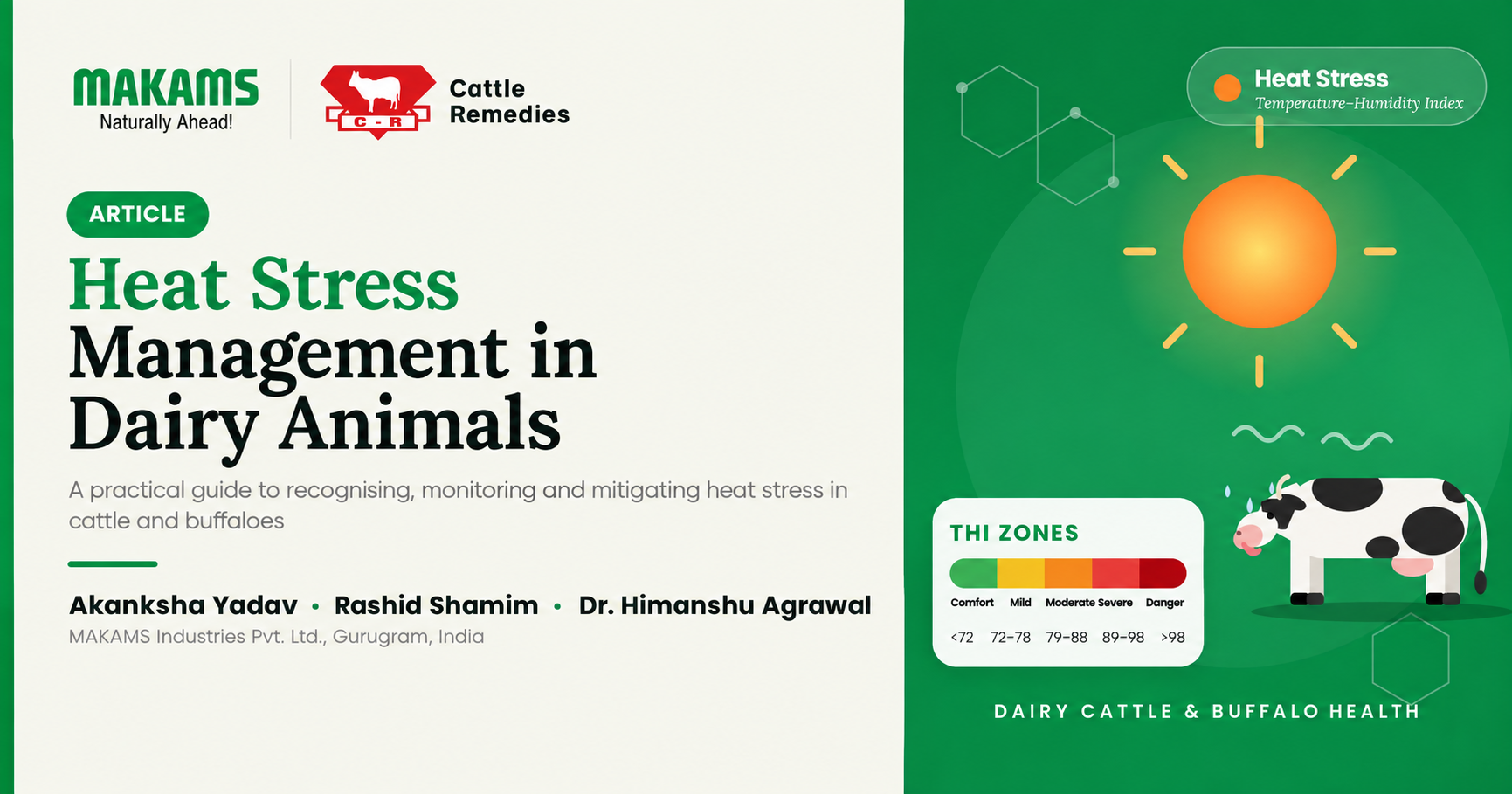
where T is dry-bulb temperature (°C) and RH is relative humidity (%). The classic bands for dairy cattle are shown in Figure 1: below 72, comfortable; 72–78, mild stress; 79–88, moderate stress; 89–98, severe stress; above 98, danger of death (Armstrong, 1994). In high-producing cows, milk loss can begin at a THI of about 68, well before animals look distressed (Zimbelman et al., 2009). Indian studies report thresholds of about 72 for HF crossbred cows and about 75 for Sahiwal cows and Murrah buffaloes (Dash et al., 2014, 2016; Priyadharshini et al., 2026).
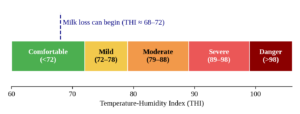
Figure 1. THI heat-stress zones for dairy cattle.
ENVIRONMENTAL FACTORS THAT DRIVE HEAT STRESS
- Rising average temperatures and longer, more intense heatwaves (Lacetera, 2019)
- High humidity, which reduces evaporative cooling, especially in pre-monsoon and monsoon months (Collier et al., 2006)
- Warm nights, which stop animals from recovering
- Direct solar radiation, poor roofing and overcrowded sheds (Toledo et al., 2022)
- Poor ventilation and stagnant air in closed or semi-closed housing
- Loss of trees that once gave natural shade
- Loss of village ponds that buffaloes and cattle used for wallowing
- Urban heat-island effects around peri-urban dairies
PHYSIOLOGICAL CHANGES UNDER HEAT STRESS
The main physiological changes are summarised in Figure 2 and described below.
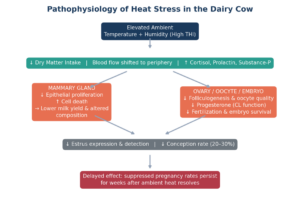
Figure 2. Pathophysiology of heat stress in the dairy cow.
- Heat loss. Cattle lose heat by radiation and convection while the air is cooler than the skin, and by evaporation through sweating and panting. Buffaloes have far fewer sweat glands and rely heavily on wallowing (Marai & Haeeb, 2010). As air temperature approaches body temperature, only evaporative loss remains, and body temperature rises (hyperthermia; Kadzere et al., 2002).
- Respiration rate rises (panting) and drooling increases (Becker et al., 2020; West, 2003).
- Blood flow. Blood is diverted to the skin, which reduces flow to the gut and udder and the nutrient supply for milk synthesis (Baumgard & Rhoads, 2013).
- Feed intake. Animals cut dry matter intake to reduce internal heat production, often by 10–20% or more in severe stress (West, 2003).
- Acid-base balance. Panting blows off CO₂ and causes respiratory alkalosis; the kidneys excrete bicarbonate to compensate. Because much of the saliva is drooled rather than swallowed, and chewing time falls, rumen buffering drops and the risk of subacute rumen acidosis (SARA) rises (Kadzere et al., 2002; West, 2003).
- Energy metabolism. Energy balance turns negative, but unlike in an underfed cow, fat mobilisation is blunted and glucose is used preferentially by the body, leaving less for lactose and milk synthesis (Baumgard & Rhoads, 2013).
- Cell damage and hormones. Oxidative stress rises and damages cells, including in the gut lining and udder. Heat shock proteins protect cells in the short term but cost energy. Cortisol rises, thyroid activity falls, and insulin and growth-hormone patterns shift (Bernabucci et al., 2010).
- Milk loss beyond intake. Reduced feed intake explains only about 35–50% of the fall in milk yield; the rest reflects direct effects of heat on metabolism (Rhoads et al., 2009; Wheelock et al., 2010; see Figure 3).
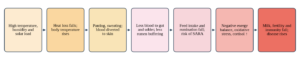
Figure 3. How heat load leads to production loss.
PRODUCTION, ECONOMIC AND HEALTH IMPACTS
Production and economic losses
At national level, heat stress has been estimated to cost India about 1.8 million tonnes of milk a year, worth about ₹2,661 crore (Dash et al., 2016). On the farm, the losses come from several directions:
- Milk yield. Commonly 10–25% or more in severe stress (Das et al., 2016), and up to 30–40% in high-yielding HF crossbreds (Kohli et al., 2014). Crossbreds lose far more milk per unit rise in THI than indigenous cattle or buffaloes (Darji et al., 2024; Priyadharshini et al., 2026; Singh et al., 2019; see Figure 4).
- Milk composition. Lower fat, protein and solids-not-fat (SNF), which reduces the price where milk is paid on composition (Bernabucci et al., 2015); higher somatic cell count (SCC) and more mastitis (Lacetera, 2019).
- Weaker and shorter oestrus, lower conception and more early embryonic loss, leading to more days open, more inseminations per conception and more culling (De Rensis & Scaramuzzi, 2003; Hansen, 2009).
- Carry-over effects. Heat stress in the dry period and late pregnancy lowers milk yield in the next lactation and gives lighter calves with weaker immunity; heifers grow more slowly and fewer complete their first lactation (Monteiro et al., 2016; Tao & Dahl, 2013).
- Costs and losses. Higher veterinary costs, culling and mortality, and lower lifetime productivity and welfare (Das et al., 2016).
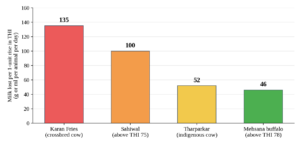
Figure 4. Reported milk loss per unit rise in THI in Indian breeds. Values come from separate studies (Darji et al., 2024; Priyadharshini et al., 2026; Singh et al., 2019) and are indicative only.
Major health risks during summer
- Metabolic and digestive disease. SARA, ketosis, displaced abomasum, fatty liver and laminitis (Das et al., 2016).
- Environmental mastitis rises with heat, humidity, wet bedding and lowered immunity (Lacetera, 2019).
- Acidosis and longer standing time increase hoof problems (Das et al., 2016).
- Reproductive disorders. Retained placenta, metritis, anoestrus and repeat breeding.
- Heat stroke. Especially in heavy, high-yielding animals, during transport and in crowded holding areas.
- Parasites and vector-borne disease. Ticks, flies and mosquitoes multiply in heat and humidity, raising the risk of theileriosis, babesiosis, anaplasmosis and trypanosomiasis (Jayalakshmi et al., 2019; Lacetera, 2019).
- Mycotoxins and spoiled feed. Heat and humidity promote mould in silage, hay and concentrate; heated total mixed ration (TMR) is less palatable (Bernardes et al., 2018).
- Calf health. Dehydration, diarrhoea and pneumonia.
These problems reinforce each other. Heat reduces intake, energy balance and immunity worsen, the animal becomes more susceptible to disease, and production falls further (Figure 5).
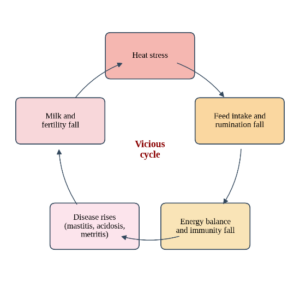
Figure 5. The summer vicious cycle in dairy animals.
Immunity and vaccination response
- Raised cortisol suppresses immune function, and lymphocyte and neutrophil activity is impaired, weakening defence against mastitis and uterine infection (Bagath et al., 2019).
- Damage to the gut lining lets bacterial toxins enter the blood and increases inflammation (Baumgard & Rhoads, 2013).
- Heat-stressed dry cows have poorer immunity and lower-quality colostrum, so their calves may receive less immunoglobulin (Tao & Dahl, 2013).
- Antibody response to vaccines can fall in heat-stressed animals (do Amaral et al., 2011; Lacetera, 2019).
Practical points: vaccinate (for example against foot-and-mouth disease, haemorrhagic septicaemia and black quarter) in the coolest part of the day; keep a strict cold chain; avoid vaccinating animals that are visibly heat-stressed, and avoid the peak heat weeks where the schedule allows; and make sure calves receive good-quality colostrum, on time and in adequate quantity.
RECOGNISING AND MONITORING HEAT STRESS
Key signs
- Rapid, shallow breathing (Becker et al., 2020; see Figure 6)
- Open-mouth panting, drooling and a protruding tongue
- Rectal temperature above 39.5 °C
- Standing more, lying less; bunching in shade or around water and fans (Becker et al., 2020; Polsky & von Keyserlingk, 2017)
- Lower feed intake and shorter, slower eating
- Higher water intake
- Less rumination and a lower milk yield
- Lower milk fat and protein; higher SCC
- Loose or watery dung
- Restlessness, weakness and unsteady gait
- Silent heat and poor conception
- Severe cases: collapse and heat-stroke death
- Buffaloes: refusing to leave wallows, seeking water and mud
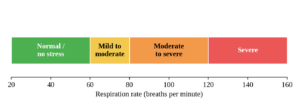
Figure 6. Respiration-rate guide: above about 60 breaths per minute suggests stress, above 80 moderate to severe stress, and above 120 severe stress (Becker et al., 2020). Count flank movements for 30 seconds and multiply by 2.
On-farm monitoring
- Place a thermo-hygrometer at animal level in the shed and the holding area, and use weather forecasts and heatwave alerts to act in advance.
- Respiration rate. The simplest and most useful on-farm measure. Check several animals in each group during the hottest hours (Becker et al., 2020).
- Rectal temperature in suspect animals; behaviour in cool and hot hours (standing versus lying, bunching, time at water); feed intake, rumination and water intake.
- Daily milk yield and milk fat, SNF and SCC trends; heat-detection and conception rates; treatments and deaths by group.
- Technology, where affordable. Activity and rumination collars, temperature boluses, milk meters, cameras and artificial intelligence (AI)-based behaviour tools (Polsky & von Keyserlingk, 2017).
MITIGATION STRATEGIES
No single measure recovers all of the loss. The aim is to bring the environment close to the animal’s comfort zone and to support the animal nutritionally, combining the measures below (Renaudeau et al., 2012).
Shed and housing
- Shade for all animals. Trees around the shed give natural shade and act as shade belts and windbreaks (Collier et al., 2006; Toledo et al., 2022).
- Reduce stocking density and crowding, especially in holding pens, feeding areas and the milking parlour. A common guide is about 3.5 m² covered and 7.0 m² open area per adult cow, and 4.0 m² and 8.0 m² per buffalo (Bureau of Indian Standards [BIS], 2005; TNAU Agritech Portal, 2015).
- In the tropics, orient the long axis of the shed east–west so that less sun enters the shed (Toledo et al., 2022).
- Use a high roof with a ridge opening for hot air to escape, and wide overhangs to block low-angle sun. Reflective, light-coloured or insulated roofing, thatch, or a false ceiling of agricultural waste or foil insulation all help. Avoid asbestos sheets, which are a health hazard and heat up in the sun.
- Sides and floors. Keep sides open, with curtains or wet gunny bags used when needed. Keep bedding and floors dry, clean and well drained; wet floors increase mastitis and lameness.
- Dry cows, close-up cows and calves need their own shade and cooling. Cooling dry cows improves the next lactation (Tao & Dahl, 2013).
Cooling systems
- Fans are the most cost-effective tool. Place them over the feed line, the resting area and the holding pen, to move air at animal level (Collier et al., 2006).
- Sprinklers or soakers with fans. Wet the animal’s skin, then let fan-driven air evaporate the water, in repeated cycles (for example, a few minutes of wetting every 10–15 minutes; Armstrong, 1994; Collier et al., 2006). Wet the animal, not the whole shed.
- Misters and foggers work best in dry heat and less well in humid weather, because they add humidity to the air (Armstrong, 1994; Collier et al., 2006).
- Tunnel ventilation or evaporative cooling pads can be used in closed barns where feasible.
- Holding pen and milking parlour. Cool them, because animals spend long periods crowded there.
- Provide wallowing tanks or ponds, or a regular shower cycle, and keep the water clean (Marai & Haeeb, 2010).
- Night cooling. Keep fans running at night so animals can recover
Nutritional management
Because intake falls, the ration must deliver more per kilogram and generate less heat (Conte et al., 2018; West, 2003). Adjust for breed, yield and the local feed base, and reformulate with a nutritionist. Table 1 summarises the main tools.
Table 1. Nutritional tools for heat-stressed dairy animals
| Tool | Purpose | Practical guide |
| Nutrient density | Offset lower intake | Raise energy, protein and mineral concentration; feed high-quality, digestible forage (poor forage generates more heat; West, 2003) |
| Bypass (rumen-protected) fat | Energy with less heat | Replaces part of the grain; fat produces less heat than fibre fermentation (Conte et al., 2018) |
| Starch and fibre balance | Prevent acidosis | Process grain properly and avoid excess starch; keep enough effective fibre for rumination; avoid high-lignin forage |
| Buffers | Stabilise rumen pH | Sodium bicarbonate at about 0.75–1.0% of ration dry matter (DM); magnesium oxide also buffers (Conte et al., 2018) |
| Minerals and DCAD | Replace K and Na lost in sweat | About 1.5–1.8% K, 0.45–0.55% Na and 0.35–0.40% Mg in DM; a dietary cation-anion difference (DCAD) of about +35 to +40 mEq/100 g DM for lactating cows (West, 2003) |
| Electrolytes | Rehydration | In water or feed during hot spells, after checking water quality and intake |
| Antioxidants and vitamins | Limit oxidative stress; support immunity | Vitamin E, selenium and zinc (organic forms are better absorbed); vitamins A and C (Conte et al., 2018; Das et al., 2016) |
| Niacin, betaine, chromium | Support cooling and metabolism | Rumen-protected niacin may aid heat loss through the skin; betaine may lower heat production; chromium improves insulin sensitivity. Responses vary (Conte et al., 2018; Zimbelman et al., 2010). |
| Yeast, probiotics, binders | Rumen and gut health | Live yeast or yeast culture for rumen pH and intake (Conte et al., 2018); mycotoxin binders where feed quality is doubtful; plant extracts (e.g. curcumin) may reduce oxidative stress (Bokharaeian et al., 2023) |
Feeding practice
Feed in the cooler hours (early morning, evening and night), with a larger share of the ration at night. Feed more often, push up feed frequently, feed in shade and keep bunks clean (West, 2003). Discard heated or mouldy TMR and silage (Bernardes et al., 2018), use a TMR where possible to prevent sorting, avoid sudden ration changes, and give green fodder fresh in the cool hours. Buffaloes reduce intake sharply in heat, so pair good-quality fodder, minerals and bypass nutrients with access to wallowing.
Drinking water
Clean, cool water must be available 24 hours a day. A lactating cow may need over 100 litres a day in hot weather, and needs rise sharply with heat and milk yield (Meyer et al., 2004; National Academies of Sciences, Engineering, and Medicine, 2021).
- Provide ample trough space and a good flow rate, because cows drink a large volume in a short time, especially after milking.
- Place troughs in shade, at milking-parlour exits and near feeding and resting areas.
- Keep water cool: shade and whitewash tanks, use buried or insulated pipes, and refill tanks often so water does not heat up.
- Scrub troughs regularly and check them several times a day for leaks and blockages; warm, dirty water encourages bacterial and algal growth.
- Give calves and dry cows clean, cool water as well, and test water quality periodically (pH, total dissolved solids, salinity and microbial load).
Breeding and herd management
- Inseminate in the cool hours, watch closely for silent heat (especially in buffaloes), use oestrus synchronisation and timed AI (artificial insemination), and consider embryo transfer in severe summers (De Rensis & Scaramuzzi, 2003; Hansen, 2009).
- Where possible, concentrate breeding in the cooler months; in Murrah buffaloes, pregnancy rates are highest from October to March (Dash et al., 2015).
- Handle, treat, vaccinate and transport animals in the cool hours, and avoid moving or crowding them in the heat.
- Control flies and ticks, and keep bedding dry.
- In the long term, select heat-tolerant breeds and crosses (Carabaño et al., 2017; Hansen, 2004).
- Plan for heatwaves: follow forecasts, service fans and pumps before summer, and keep backup power.
SUMMER ACTION CHECKLIST
Before and during summer
- Shade every animal and reduce crowding, especially in the holding pen
- Move air at animal level; combine skin wetting with fans at the feed line and holding pen
- Raise nutrient density, buffers, minerals and antioxidants; feed in cool hours and more often
- Provide clean, cool water 24 hours a day, with enough trough space
- Protect dry cows, close-up cows and calves, because the effects carry into the next lactation
- Breed, vaccinate and handle animals in the cool hours; watch for silent heat
CONCLUSION
Heat stress is not only a summer fall in the milk can. It lowers fertility, weakens immunity and carries into the next lactation, so its true cost is larger than the visible milk loss. High-yielding crossbred cows and buffaloes, which supply most of India’s milk, are the most exposed. No single measure is enough: shade, air movement and skin wetting, a denser and safer ration, abundant clean water and sensible breeding and handling work best together, guided by simple, regular monitoring of THI, respiration rate and milk yield. In the long term, housing design and the choice of heat-tolerant genetics will decide how well dairy farms cope with hotter summers.
REFERENCES
Armstrong, D. V. (1994). Heat stress interaction with shade and cooling. Journal of Dairy Science, 77(7), 2044–2050. https://doi.org/10.3168/jds.S0022-0302(94)77149-6
Bagath, M., Krishnan, G., Devaraj, C., Rashamol, V. P., Pragna, P., Lees, A. M., & Sejian, V. (2019). The impact of heat stress on the immune system in dairy cattle: A review. Research in Veterinary Science, 126, 94–102. https://doi.org/10.1016/j.rvsc.2019.08.011
Baumgard, L. H., & Rhoads, R. P., Jr. (2013). Effects of heat stress on postabsorptive metabolism and energetics. Annual Review of Animal Biosciences, 1, 311–337. https://doi.org/10.1146/annurev-animal-031412-103644
Becker, C. A., Collier, R. J., & Stone, A. E. (2020). Invited review: Physiological and behavioral effects of heat stress in dairy cows. Journal of Dairy Science, 103(8), 6751–6770. https://doi.org/10.3168/jds.2019-17929
Bernabucci, U., Basiricò, L., Morera, P., Dipasquale, D., Vitali, A., Piccioli Cappelli, F., & Calamari, L. (2015). Effect of summer season on milk protein fractions in Holstein cows. Journal of Dairy Science, 98(3), 1815–1827. https://doi.org/10.3168/jds.2014-8788
Bernabucci, U., Lacetera, N., Baumgard, L. H., Rhoads, R. P., Ronchi, B., & Nardone, A. (2010). Metabolic and hormonal acclimation to heat stress in domesticated ruminants. Animal, 4(7), 1167–1183. https://doi.org/10.1017/S175173111000090X
Bernardes, T. F., Daniel, J. L. P., Adesogan, A. T., McAllister, T. A., Drouin, P., Nussio, L. G., Huhtanen, P., Tremblay, G. F., Bélanger, G., & Cai, Y. (2018). Silage review: Unique challenges of silages made in hot and cold regions. Journal of Dairy Science, 101(5), 4001–4019. https://doi.org/10.3168/jds.2017-13703
Bokharaeian, M., Toghdory, A., & Ghoorchi, T. (2023). Effects of dietary curcumin nano-micelles on growth performance, blood metabolites, antioxidant status, immune and physiological responses of fattening lambs under heat-stress conditions. Journal of Thermal Biology, 114, Article 103585. https://doi.org/10.1016/j.jtherbio.2023.103585
Bureau of Indian Standards. (2005). Recommendations for cattle housing for a rural milk producer (IS 11799:2005, First Revision).
Carabaño, M. J., Ramón, M., Díaz, C., Molina, A., Pérez-Guzmán, M. D., & Serradilla, J. M. (2017). Breeding and genetics symposium: Breeding for resilience to heat stress effects in dairy ruminants. A comprehensive review. Journal of Animal Science, 95(4), 1813–1826. https://doi.org/10.2527/jas.2016.1114
Collier, R. J., Dahl, G. E., & VanBaale, M. J. (2006). Major advances associated with environmental effects on dairy cattle. Journal of Dairy Science, 89(4), 1244–1253. https://doi.org/10.3168/jds.S0022-0302(06)72193-2
Conte, G., Ciampolini, R., Cassandro, M., Lasagna, E., Calamari, L., Bernabucci, U., & Abeni, F. (2018). Feeding and nutrition management of heat-stressed dairy ruminants. Italian Journal of Animal Science, 17(3), 604–620. https://doi.org/10.1080/1828051X.2017.1404944
Darji, M., Gupta, J. P., Brahmkshtri, B. P., Saha, S., Mohapatra, S. K., Chaudhari, J., & Chaudhari, A. (2024). Estimation of the threshold for heat stress and genetic features for milk yield in Mehsana buffaloes in India. Journal of Thermal Biology, 123, Article 103931. https://doi.org/10.1016/j.jtherbio.2024.103931
Das, R., Sailo, L., Verma, N., Bharti, P., Saikia, J., Imtiwati, & Kumar, R. (2016). Impact of heat stress on health and performance of dairy animals: A review. Veterinary World, 9(3), 260–268. https://doi.org/10.14202/vetworld.2016.260-268
Dash, S., Chakravarty, A. K., Sah, V., Jamuna, V., Behera, R., Kashyap, N., & Deshmukh, B. (2015). Influence of temperature and humidity on pregnancy rate of Murrah buffaloes under subtropical climate. Asian-Australasian Journal of Animal Sciences, 28(7), 943–950. https://doi.org/10.5713/ajas.14.0825
Dash, S., Chakravarty, A. K., Singh, A., Behera, R., Upadhyay, A., & Shivahre, P. R. (2014). Determination of critical heat stress zone for fertility traits using temperature humidity index in Murrah buffaloes. Indian Journal of Animal Sciences, 84(11), 1181–1184. https://doi.org/10.56093/ijans.v84i11.44722
Dash, S., Chakravarty, A. K., Singh, A., Upadhyay, A., Singh, M., & Yousuf, S. (2016). Effect of heat stress on reproductive performances of dairy cattle and buffaloes: A review. Veterinary World, 9(3), 235–244. https://doi.org/10.14202/vetworld.2016.235-244
Department of Animal Husbandry and Dairying. (2025). Basic animal husbandry statistics 2025. Ministry of Fisheries, Animal Husbandry and Dairying, Government of India. https://dahd.gov.in/sites/default/files/2025-11/BAHS2025Brochure.pdf
De Rensis, F., & Scaramuzzi, R. J. (2003). Heat stress and seasonal effects on reproduction in the dairy cow—A review. Theriogenology, 60(6), 1139–1151. https://doi.org/10.1016/S0093-691X(03)00126-2
do Amaral, B. C., Connor, E. E., Tao, S., Hayen, M. J., Bubolz, J. W., & Dahl, G. E. (2011). Heat stress abatement during the dry period influences metabolic gene expression and improves immune status in the transition period of dairy cows. Journal of Dairy Science, 94(1), 86–96. https://doi.org/10.3168/jds.2009-3004
Fielder, S. E. (2024). Normal rectal temperature ranges. In Merck veterinary manual. Merck & Co. Retrieved September 30, 2026, from https://www.merckvetmanual.com/reference-values-and-conversion-tables/reference-guides/normal-rectal-temperature-ranges
Hansen, P. J. (2004). Physiological and cellular adaptations of zebu cattle to thermal stress. Animal Reproduction Science, 82–83, 349–360. https://doi.org/10.1016/j.anireprosci.2004.04.011
Hansen, P. J. (2009). Effects of heat stress on mammalian reproduction. Philosophical Transactions of the Royal Society B: Biological Sciences, 364(1534), 3341–3350. https://doi.org/10.1098/rstb.2009.0131
Jayalakshmi, K., Sasikala, M., Veeraselvam, M., Venkatesan, M., Yogeshpriya, S., Ramkumar, P. K., Selvaraj, P., & Vijayasarathi, M. K. (2019). Prevalence of haemoprotozoan diseases in cattle of Cauvery delta region of Tamil Nadu. Journal of Parasitic Diseases, 43(2), 308–312. https://doi.org/10.1007/s12639-019-01094-7
Kadzere, C. T., Murphy, M. R., Silanikove, N., & Maltz, E. (2002). Heat stress in lactating dairy cows: A review. Livestock Production Science, 77(1), 59–91. https://doi.org/10.1016/S0301-6226(01)00330-X
Kohli, S., Atheya, U. K., & Thapliyal, A. (2014). Assessment of optimum thermal humidity index for crossbred dairy cows in Dehradun district, Uttarakhand, India. Veterinary World, 7(11), 916–921. https://doi.org/10.14202/vetworld.2014.916-921
Lacetera, N. (2019). Impact of climate change on animal health and welfare. Animal Frontiers, 9(1), 26–31. https://doi.org/10.1093/af/vfy030
Marai, I. F. M., & Haeeb, A. A. M. (2010). Buffalo’s biological functions as affected by heat stress—A review. Livestock Science, 127(2–3), 89–109. https://doi.org/10.1016/j.livsci.2009.08.001
Meyer, U., Everinghoff, M., Gädeken, D., & Flachowsky, G. (2004). Investigations on the water intake of lactating dairy cows. Livestock Production Science, 90(2–3), 117–121. https://doi.org/10.1016/j.livprodsci.2004.03.005
Monteiro, A. P. A., Tao, S., Thompson, I. M. T., & Dahl, G. E. (2016). In utero heat stress decreases calf survival and performance through the first lactation. Journal of Dairy Science, 99(10), 8443–8450. https://doi.org/10.3168/jds.2016-11072
National Academies of Sciences, Engineering, and Medicine. (2021). Nutrient requirements of dairy cattle (8th rev. ed.). The National Academies Press. https://doi.org/10.17226/25806
National Research Council. (1971). A guide to environmental research on animals. National Academy of Sciences. https://doi.org/10.17226/20608
Polsky, L., & von Keyserlingk, M. A. G. (2017). Invited review: Effects of heat stress on dairy cattle welfare. Journal of Dairy Science, 100(11), 8645–8657. https://doi.org/10.3168/jds.2017-12651
Priyadharshini, P., Rani, A., Gopal, G., Lalremruati, P. C., Vikas, V., & Raja, T. V. (2026). Quantifying milk production losses due to heat stress in Indian Sahiwal cattle. International Journal of Biometeorology, 70(6), Article 177. https://doi.org/10.1007/s00484-026-03237-x
Renaudeau, D., Collin, A., Yahav, S., de Basilio, V., Gourdine, J. L., & Collier, R. J. (2012). Adaptation to hot climate and strategies to alleviate heat stress in livestock production. Animal, 6(5), 707–728. https://doi.org/10.1017/S1751731111002448
Rhoads, M. L., Rhoads, R. P., VanBaale, M. J., Collier, R. J., Sanders, S. R., Weber, W. J., Crooker, B. A., & Baumgard, L. H. (2009). Effects of heat stress and plane of nutrition on lactating Holstein cows: I. Production, metabolism, and aspects of circulating somatotropin. Journal of Dairy Science, 92(5), 1986–1997. https://doi.org/10.3168/jds.2008-1641
Singh, S. V., Kumar, Y., & Kumar, S. (2019). Impact of temperature humidity index (THI) on physiological responses and milk yield of Tharparkar and Karan Fries cows exposed to controlled environment. Journal of Agrometeorology, 21(4), 405–410. https://doi.org/10.54386/jam.v21i4.274
Tao, S., & Dahl, G. E. (2013). Invited review: Heat stress effects during late gestation on dry cows and their calves. Journal of Dairy Science, 96(7), 4079–4093. https://doi.org/10.3168/jds.2012-6278
TNAU Agritech Portal. (2015). Livestock and poultry housing: Floor space requirements. Tamil Nadu Agricultural University. https://agritech.tnau.ac.in/animal_husbandry/animhus_cb_housing_space.html
Toledo, I. M., Dahl, G. E., & De Vries, A. (2022). Dairy cattle management and housing for warm environments. Livestock Science, 255, Article 104802. https://doi.org/10.1016/j.livsci.2021.104802
West, J. W. (2003). Effects of heat-stress on production in dairy cattle. Journal of Dairy Science, 86(6), 2131–2144. https://doi.org/10.3168/jds.S0022-0302(03)73803-X
Wheelock, J. B., Rhoads, R. P., VanBaale, M. J., Sanders, S. R., & Baumgard, L. H. (2010). Effects of heat stress on energetic metabolism in lactating Holstein cows. Journal of Dairy Science, 93(2), 644–655. https://doi.org/10.3168/jds.2009-2295
Zimbelman, R. B., Baumgard, L. H., & Collier, R. J. (2010). Effects of encapsulated niacin on evaporative heat loss and body temperature in moderately heat-stressed lactating Holstein cows. Journal of Dairy Science, 93(6), 2387–2394. https://doi.org/10.3168/jds.2009-2557
Zimbelman, R. B., Rhoads, R. P., Rhoads, M. L., Duff, G. C., Baumgard, L. H., & Collier, R. J. (2009). A re-evaluation of the impact of temperature humidity index (THI) and black globe humidity index (BGHI) on milk production in high producing dairy cows. In Proceedings of the Southwest Nutrition and Management Conference (pp. 158–168). University of Arizona.