
A-HELP Workers or Pashu Sakhi: Transforming Livestock Sector to Viksit Bharat @2047
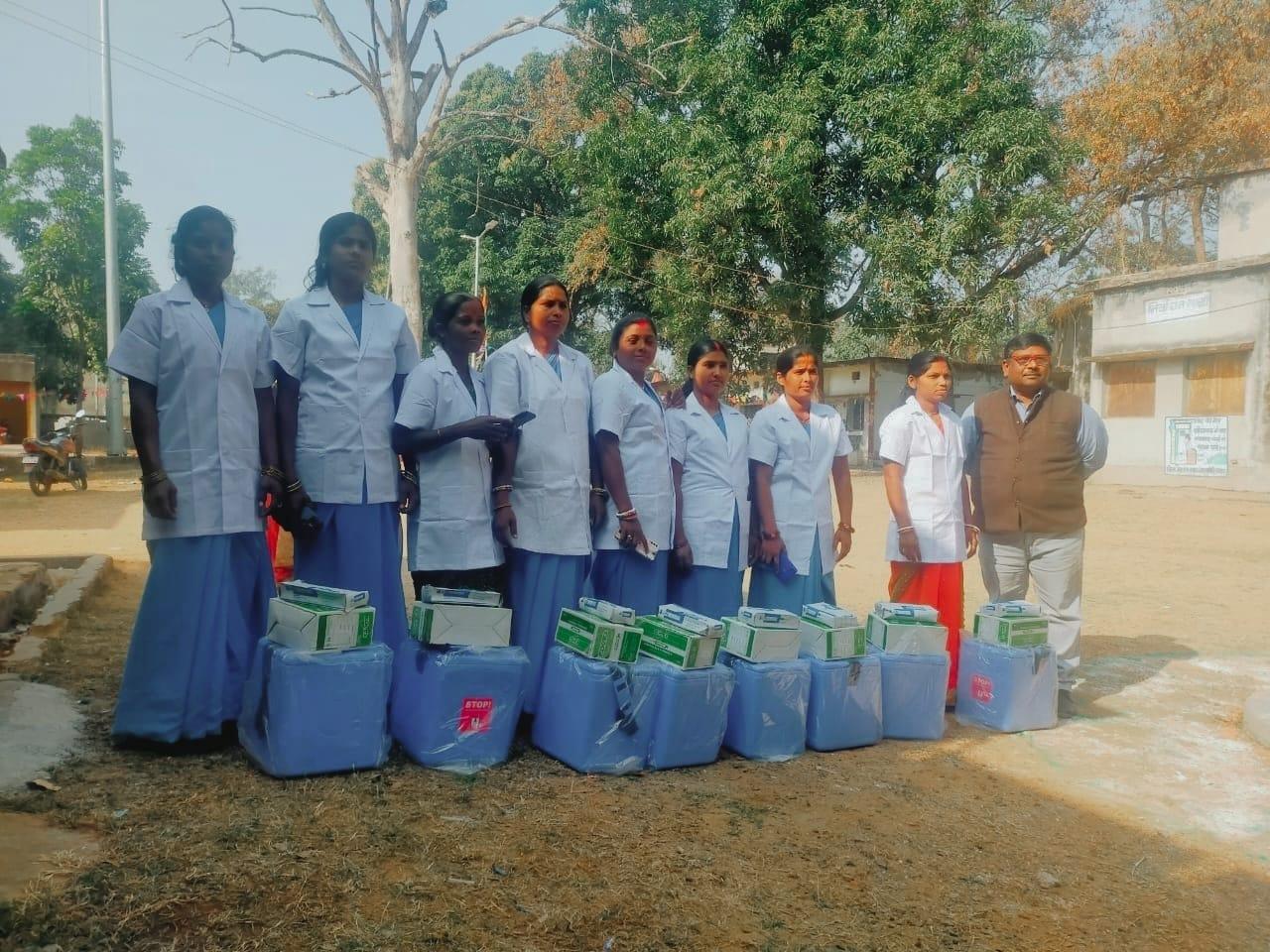
A-HELP (Accredited Agent for Health and Extension of Livestock Production), popularly known as Pashu Sakhi, is a trained woman from a Self-Help Group (SHG) who provides basic animal health services, extension support, and awareness generation at the grassroots level. This initiative is being implemented by the Department of Animal Husbandry and Dairying (DAHD) in collaboration with National Rural Livelihoods Mission (NRLM) and state rural livelihood missions like JSLPS (Jharkhand State Livelihood Promotion Society).
India’s march toward Viksit Bharat @2047 envisions inclusive rural development, and at the heart of this transformation is the silent yet powerful role of grassroots change agents. Among them, A-HELP workers—also known as Pashu Sakhis—are redefining how livestock management and women empowerment intersect in rural India, particularly under the Rashtriya Gokul Mission (RGM).
These trained Community Animal Health Workers (CAHWs) act as a vital bridge between the government’s veterinary infrastructure and rural livestock farmers. In a state like Jharkhand, with its challenging geography and limited veterinary outreach, Pashu Sakhis are emerging as an indispensable part of the livestock ecosystem.
Selection Criteria of A-HELP / Pashu Sakhi:
| Criteria | Details |
| 1. Local Residency | Must be a resident of the same village/Gram Panchayat (GP) |
| 2. Member of SHG | Should be an active member of a functioning women SHG |
| 3. Age Limit | Preferably between 20–45 years |
| 4. Livestock Experience | Should have personal experience in livestock rearing (goats, poultry, etc.) |
| 5. Education | Minimum 8th pass; should read & write in local language |
| 6. Leadership & Attitude | Positive attitude, good communication, willingness to learn and serve |
| 7. Supportive Family | Family support for mobility and availability for training & services |
| 8. Availability | Willing to dedicate time for community-based services |
🎯 Training & Certification:
Selected candidates undergo structured training in:
- Veterinary First Aid & Basic Treatments
- Disease Management & Preventive Care
- Record-keeping & Livestock Insurance
- Extension Education & Farmer Awareness
- Linkages with Mobile Veterinary Units (MVU)
After successful training, they are certified as A-HELP workers.
🤝 Role of Pashu Sakhi in AgroVet Cooperatives & JSLPS:
| Domain | Roles & Responsibilities |
| Animal Health Services | Provides first aid, deworming, vaccination, record-keeping at the doorsteps of farmers |
| Awareness Generation | Educates farmers on improved livestock practices, feeding, housing & hygiene |
| Linkage Agent | Acts as a bridge between farmers and MVUs, veterinary hospitals, and AgroVet Cooperatives |
| Livestock Enterprise Support | Encourages SHG members to adopt livestock as an enterprise (goatery, poultry, piggery, etc.) |
| Market Linkage | Facilitates marketing of livestock products (milk, meat, eggs) through cooperatives or SHG platforms |
| Credit & Insurance Support | Supports farmers in accessing livestock insurance, government schemes, and loans |
| Data Collection | Maintains livestock registers, disease surveillance data, and supports in outbreak reporting |
| Sustainability Agent | Promotes climate-resilient, organic, and sustainable livestock practices |
📈 Impact in JSLPS & AgroVet Ecosystem:
- Enhancing doorstep veterinary access in tribal and remote areas
- Creating employment & livelihood opportunities for rural women
- Contributing to One Health, livestock productivity, and Viksit Bharat @2047 goals
- Building an inclusive veterinary ecosystem with women at the core of livestock transformation
Empowering Women, Empowering Livelihoods
The Pashu Sakhi model is a shining example of gender-inclusive development, providing rural women with training, identity, income, and social recognition. As part of self-help group federations or cooperatives, they operate as community-level para-veterinarians, earning livelihood while serving society.
In Jharkhand, where tribal and rural women often lack formal employment opportunities, this model is bringing dignity to work, helping break the cycle of poverty, and creating a sustainable, cooperative-driven model of rural service delivery.
Role in Livestock Management and Health Service Delivery
Under the RGM scheme, Pashu Sakhis are trained and deployed to provide doorstep veterinary support, covering a wide range of services:
🔹 Major Activities and Assignments of Pashu Sakhis
Basic Animal Health Services
Administration of deworming tablets, vitamins, and mineral mixtures
First aid for minor wounds, injuries, and diseases
Supporting vaccination drives (FMD, HS, Brucellosis, etc.)
Livestock Breeding Support
Heat detection and breeding cycle awareness
Coordination with Artificial Insemination (AI) technicians and veterinary officers
Record keeping of breeding data and assisting in pregnancy diagnosis camps
Nutrition and Feeding Advisory
Educating farmers on balanced ration and fodder cultivation
Promoting silage making and mineral supplementation
Identifying nutritional deficiencies through visual symptoms
Disease Surveillance & Reporting
Early identification of disease outbreaks and immediate reporting to officials
Participation in national surveillance programs (e.g., NADRS)
Support During Animal Calving & Post-Partum Care
Assisting in normal delivery
Post-calving care for mother and calf
Advising on colostrum feeding and neonatal calf care
Linking Farmers to Government Schemes
Facilitating registration for Pashu Aadhaar, insurance, and incentives
Guiding beneficiaries under schemes like Mukhyamantri Pashudhan Vikas Yojana, RGM, and Dairy Development initiatives
Awareness Creation & Capacity Building
Conducting group meetings, livestock days, and SHG sensitization
Disseminating knowledge on animal welfare, zoonotic disease prevention, and hygienic dairy practices
Market Linkages & Economic Empowerment
Facilitating milk collection, aggregation, and value addition initiatives
Promoting producer groups or dairy cooperatives
Encouraging women to enter livestock-based microenterprises
Support in Data Collection and MIS Reporting
Using mobile-based apps to collect livestock data
Contributing to livestock census, tagging, and traceability systems
Collaboration with Veterinary Institutions and Panchayats
Supporting Krishi Vigyan Kendras (KVKs), Veterinary Hospitals, and Panchayat-level livestock interventions
Participating in livestock exhibitions and veterinary health camps
Special Relevance to Jharkhand
In Jharkhand, which faces gaps in veterinary accessibility in remote tribal regions, the Pashu Sakhi model is more than just a service—it’s a community-led revolution. Backed by non Government organizations land local animal husbandry departments, trained women are not just service providers—they are change agents.From Bahragora to Gumla, and from Simdega to Latehar, Pashu Sakhis are actively transforming backyard livestock rearing into viable livelihood enterprises.
Toward Viksit Bharat @2047
The vision of a developed India by 2047 hinges on innovation, inclusion, and infrastructure—Pashu Sakhis embody all three. As community animal health workers, they represent a grassroots solution to rural veterinary service gaps, and as empowered women, they are symbols of social change.
Supporting and scaling up the A-HELP initiative with focused training, fair incentives, and institutional backing will be key to building a resilient and self-sustaining rural livestock economy.
Conclusion
A-HELP / Pashu Sakhi is not just a livestock service provider, but a change agent in India’s rural and tribal economy. Empowering them through institutions like JSLPS and AgroVet Cooperatives strengthens rural livelihoods, ensures better animal welfare, and fosters sustainable development aligned with national goals.
Let’s recognize, support, and scale the Pashu Sakhi model to build resilient villages and a Viksit Bharat @2047.
Pashu Sakhis are not merely health workers—they are frontline soldiers in India’s fight against rural poverty, poor veterinary outreach, and gender disparity. By delivering critical animal health services, supporting rural livelihoods, and empowering women, they are paving the way for a Viksit Bharat @2047, one village at a time.
Dr. Ajit Sharan
Key Village Officer
Hazaribagh