

Chinese Manja Menace in India — A Rising Public Safety and Environmental Crisis
Every year, as festivals like Makar Sankranti, Uttarayan, Lohri and Independence Day approach, the skies of India fill with colourful kites. But beneath the celebratory cheer lurks a growing threat — the deadly hazard of Chinese manja — a type of kite string that has claimed lives, caused horrific injuries, and devastated wildlife across the country. Despite bans and awareness campaigns, this menace persists, demanding urgent action from authorities and citizens alike.
What Is Chinese Manja?
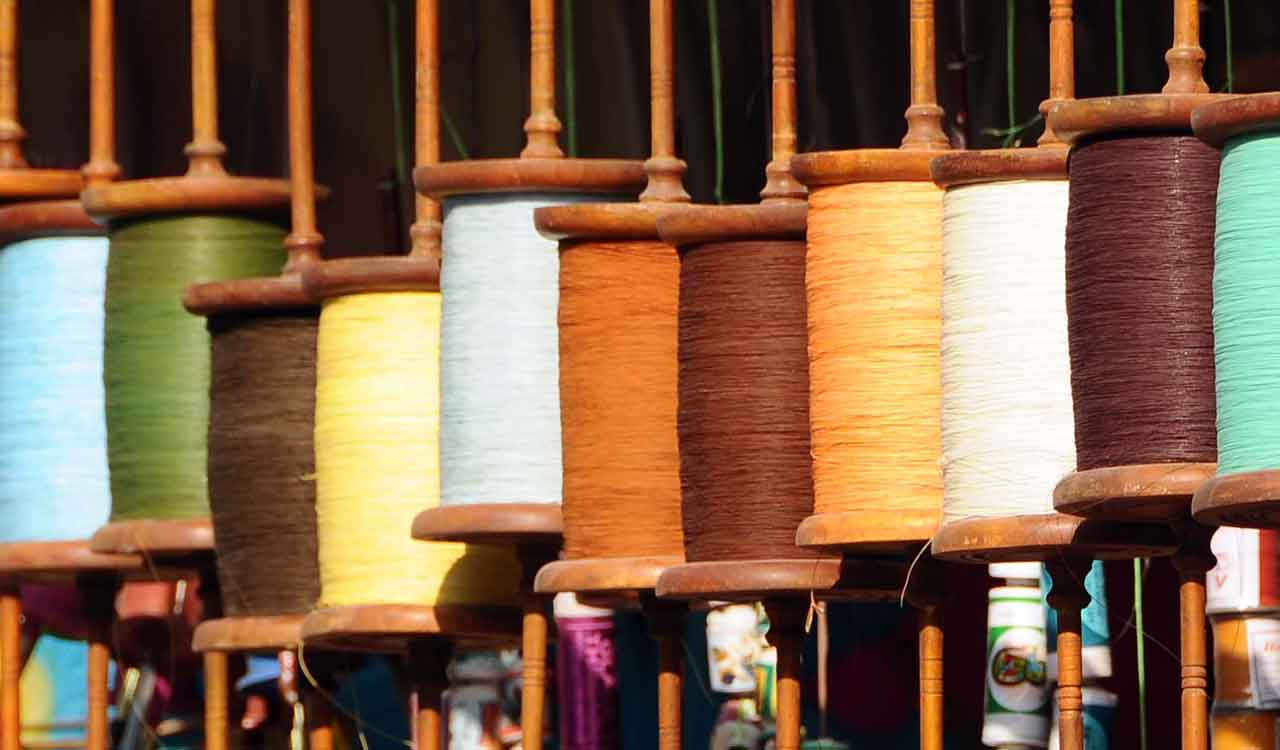
Manja refers to kite flying strings used to cut competitors’ kite strings during kite fights—a popular pastime during festivals. Traditionally, manja was made from cotton thread. However, over the past decade, this got replaced by synthetic strings coated with powdered glass, metal dust or abrasive materials — commonly referred to in India as “Chinese manja” due to its origin and composition.
This synthetic manja is:
Extremely strong and sharp
Non-biodegradable
Dangerous to humans, animals, and the environment
The glass and metal coating make the string behave like a razor blade — capable of slicing through flesh, fabric, and even causing severe electrocution hazards when in contact with power lines.
Why Is It a Menace?
- Deaths and Severe Injuries Among Humans
The most alarming aspect of Chinese manja is the loss of human life and traumatic injuries it causes. In the recent 2026 Uttarayan celebrations alone, multiple people died and hundreds were injured because of kite strings.
Children, pedestrians, and commuters on two-wheelers are especially vulnerable, as dangling or wind-blown manja can entangle around the neck or face — causing fatal cuts.
There have been cases where individuals’ throats were slit while riding — even fatal for adults and children alike.
Even professional and emergency personnel are at risk; incidents include a fireman and ex-serviceman injured while commuting during kite season.
Everyday accidents while trying to avoid or deal with sharp strings have also spiked road accidents, falls, and electrocution cases.
People often underestimate the danger. Even stray fragments of manja suspended across roads can act like invisible tripwires that can seriously injure riders.
- Catastrophic Impact on Birds and Animals
The threat extends far beyond humans:
Birds, especially migratory and small urban birds like pigeons and parrots, often get entangled in lethal strings mid-flight or when landing. Rescues during the 2026 festival reported over 160 injured birds, including parrots, kites (birds of prey) and crows.
Stray domestic animals — like dogs, cows, goats, and even bats — suffer injuries or death when woolly strings wrap around limbs or necks.
Ecological consequences include weakened bird populations and disrupted local biodiversity.
These tragedies play out every year, with thousands of birds and animals injured, maimed, or killed by manja.
- Environmental Pollution
Chinese manja doesn’t just disappear when festivals end:
Being non-biodegradable, it clings to trees, rooftops, poles, fences and gets carried into water bodies as microplastics.
Discarded strings litter streets and fields for months, posing hazards to civilians, livestock, and wildlife alike.
Leftover manja contributes to urban waste problems — especially when embedded in hard-to-clean places like electricity cables and canals.
Legal Framework and Enforcement Challenges
Recognizing these dangers, various Indian states and courts have banned the manufacture, sale, purchase, storage, and use of Chinese manja:
Laws like Section 163(2) of the Bharatiya Nagarik Suraksha Sanhita (BNSS) 2023 are invoked in local bans.
Higher courts have repeatedly ordered strict enforcement, including penalties under Section 106(1) of the BNSS for causing death by negligence.
Guardians can even be held legally responsible if minors are found using banned strings.
Penalties in many regions include heavy fines and prison terms up to five years for violators.
Despite such measures, enforcement remains inconsistent — largely due to widespread illegal supply, underground markets, and lack of public awareness.
Cities like Hyderabad and Bhopal have taken proactive steps by raiding shops and seizing thousands of banned manja bobbins to stem the supply.
Why Does the Menace Persist?
Several intertwined reasons explain why Chinese manja continues to be a problem:
Social and Cultural Pressures: Kite flying — especially cutting opponents’ kites — is seen as a competitive thrill, pushing some to prefer sharper strings.
Illicit Trade: Even where banned, suicidal demand leads to underground supply via shops, roadside vendors, and online platforms.
Lack of Awareness: Many users underestimate how horrific the injuries can be — treating it as a harmless tradition rather than a public safety threat.
Weak Enforcement: Bans often exist on paper but lack effective street-level implementation.
Safer Alternatives and Public Action
The solution doesn’t require abandoning kite flying — it just requires safe practices:
- Use Only Eco-Friendly Cotton Strings
Traditional cotton manja coated with rice paste or other non-abrasive materials are far safer for human beings, animals, and the environment.
- Public Awareness and Responsible Celebration
Communities and schools should spread awareness about the danger of Chinese manja — especially before festival seasons.
Citizens can report illegal sales and unsafe usage to local authorities.
Public campaigns can promote compassionate kite flying that does not endanger others.
- Protective Measures During Kite Season
Even with bans, some innovative local safety efforts — like police installing protective neck guards for riders or community-led cleanup drives — can save lives.
A Call for Safer Skies
The Chinese manja menace in India is not just about cultural festivity. It has become a serious public safety issue, a cruel threat to wildlife, and an environmental concern. While legal bans and enforcement actions are steps in the right direction, true change requires broad public participation — from citizens, festival organisers, local authorities, and policymakers.
Let every festival remain joyous, colourful, and — most importantly — safe for all.