

Community Surveillance and Early Warning Systems: A Zoonoses Control Strategy
Dr. Ramani Jayesh Babubhai,
MVSc Scholar
Centre of One Health, GADVASU, Ludhiana
INTRODUCTION:
Animals play an important role in the life of peoples, they provide food, friendship, and faithfulness, but these animals also serve a critical role in transmission of Zoonotic disease. Animals are the source of more than 60% of infectious diseases that affect humans worldwide. In comparison to the world , the relationship between human and animal is more personal or more intricate in India, where people and animals coexist not only in terms of physical space but also in terms of everyday existence, means of subsistence, and cultural customs. The bond is serious and inseparable: from goats and poultry kept in village courtyards to cattle worshipped in temples to busy urban markets where human and animal worlds meet. It sustains millions of people, contributes to the economy, and yet is deeply ingrained in society. However, this very closeness equally creates opportunity for many diseases to covertly jump from animals to humans. Rarely do zoonotic illnesses strike suddenly; they begin silently- the unexplained death of wild animals, the sudden sickness of some livestock, and fever outbreaks in villages. One strong factor frequently determines the crucial distinction between a contained incident and a national emergency: a vigilant and involved community.
Local communities are truly perceived as the eyes and ears on the ground. Health workers and farmers and herders are the first to feel an imperceptible sign that something is wrong even before any official report gets published or a laboratory arrives at a definite diagnosis. By empowering these individuals, outbreaks can be prevented from spreading further by assisting them to identify and report early warning signs. In a nation like India, where up to 70% of the population is dependent on their animals, this becomes crucial. Therefore, an early disease detection must come into place to keep creating interesting developments and widespread conquest, which is likewise something that will never be accomplished without involving these communities.
NEED OF COMMUNITY BASED SURVEILLANCE
Over 60% of infectious diseases in humans and almost 75% of newly discovered pathogens worldwide are zoonotic diseases. In India, there is a high risk of zoonotic spillover events involving pathogens such as avian influenza, brucellosis, Nipah virus, and coronaviruses due to the country’s dense human settlements, extensive human-animal interactions, and livestock population of over 536 million(DOAH,2022). In developing countries, a traditional passive surveillance system is running on but it poses many problems like delayed detection, underreporting, and limited reach into rural areas. According to studies, up to 70% of livestock diseases or deaths in rural India go unreported or are not reported in a timely manner, which reduces the window for prompt action. To overcome this problem requires a new surveillance system to prevent transmission of Zoonotic disease.
An important substitute is community-based surveillance (CBS), which involves local stakeholders such as farmers, para-veterinarians, and community health workers in order to identify human illnesses and unusual animal health events early. The sensitivity and speed of zoonotic disease detection are increased by CBS when paired with digital tools and quick reporting channels.
CURRENT DISEASE SURVEILLANCE SYSTEMS OF INDIA :
The multiple surveillance systems in the country have kept their maladies and measures very much in isolation in India; some networks are created by the state, while some by the central government. These systems very rarely coordinate with the teams working in the human health area, animal health area, and environmental health area. This kind of separation poses a significant obstacle, especially from the perspective of zoonotic disease surveillance, i.e., those ailments transferring agents from animals to humans.
For imploring prevention to human health, Integrated Disease Surveillance Programme (IDSP) was instituted in 2004. This system collects weekly data from across the country to early detect outbreaks of diseases like dengue, chikungunya, and Japanese encephalitis. It is essentially meant to establish and maintain an environment for decentralized disease laboratories.
And for animal health, the National Animal Disease Reporting System (NADRS) is functional. It’s supposed to allow the recording of livestock diseases such as bird flu and foot-and-mouth everywhere. NADRS is indeed a critical system; however, it has several challenges. It suffers from underreporting from remote areas, delays in data sharing, and an inadequate ability to forecast outbreaks or communicate those findings to the human health surveillance system.
Moreover, systems such as NIVEDI in Bengaluru have developed risk mapping and predictive disease modelling tools like the National Animal Disease Referral Expert System (NADRS). The NADRES system provides vital information on disease trends and hotspots across India for planning risk-based surveillance. But there remain challenges in operationalizing these data into quick field-level decisions. The disease surveillance situation is very much fragmented at the wildlife interface. While state forest departments and the Wildlife Institute of India monitor wildlife health, there is no national platform that systematically integrates data on wildlife disease with surveillance of livestock and human health.
India has made great progress in disease surveillance, but several important gaps remain that weaken early detection and response to zoonotic diseases.
LIMITATIONS OF CURRENT SYSTEMS:
No Integration:
One of the major issues is poor coordination between human health, animal health, and wildlife health/environment systems. These sectors often work separately, making it hard to connect information and spot diseases that spread between animals and people.
Under reporting:
Underreporting is another challenge, especially in rural areas. Many cases go unnoticed due to lack of awareness of farmers, fear of economic losses and poor infrastructure becoming a barrier to notice these outbreaks. Often, farmers and local communities hesitate to report animal sickness because they worry about preventive measures like culling without compensation, which tends to make a huge economic loss of marginal farmers.
False Data:
One of the biggest failures of these systems is false data reporting at various levels. There is too much false data in the system which creates a burden in early warning. In the lower level if some outbreak occurred there is less chances that it will be involved in the reporting system.
Wildlife Monitoring:
In the Indian scenario one of the biggest sectors of one health strategy is unrecognised. The wildlife disease monitoring is weak, with no single national system that links wildlife health data to human and livestock health surveillance. This leaves a blind spot for detecting emerging diseases at the human-animal-wildlife interface.
These limitations show why India needs stronger, more connected systems that include communities and share information quickly to stop diseases before they become large outbreaks. To ensure that India’s surveillance is truly comprehensive and responsive to zoonotic threats, it is imperative that interoperability be strengthened, cross-sectoral collaboration be encouraged, and community-level intelligence be integrated.
COMMUNITY BASED SURVEILLANCE :
The strategy whereby residents in local communities actively watch and report any odd incidents pertaining to human or animal health is known as Community-Based Surveillance (CBS). Unlike conventional surveillance, which depends mostly on reports from veterinary clinics, governmental agencies, or laboratories, CBS enables people including farmers, cattle owners, para-veterinarians, community health workers, and even local leaders to become the “eyes and ears” of disease detection. This idea is very pertinent in India as people have strong relationships with animals. Ex. Farmers can quickly spot changes in their cattle, including unexpected drops in milk output, abrupt deaths, diminished fertility, or aberrant behavior. If these people are trained well then they can report these indicators early, therefore enabling health agencies to look into the situation before the illness spreads extensively into the whole farm or whole area.
Community based surveillance is very valuable in the rural and remote areas. India’s most of the farmers rely on livestock, and have poor connectivity and facilities like Veterinary service or diagnostic laboratory. This can be extended and filled crucial gap of disease direction by CBS (Community based surveillance)
EARLY WARNING SYSTEM:
An early warning system (EWS) is a systematic approach to collecting, evaluating, and interpreting data in order to quickly identify signs of a potential epidemic. EWS uses a variety of tools to identify strange disease trends, such as smartphone apps, text messaging alerts, GIS mapping, machine learning models, and online reporting tools. For example, If any area with a number of farmers using early symptoms submitting an app, their reports about poultry death, it can be analysed by machine learning models and warn farmers about expected disease outcomes. The sooner such indicators are identified, the better the authorities can respond to contain the disease and prevent its spread.
COMBINING CBS & EWS – SUCCESS TOWARD HEALTH IMPROVEMENT:
CBS and EWS complement each other perfectly. CBS helps in gathering raw information from the ground, while EWS processes this information to identify threats. Together, they create a proactive surveillance system which acts before harmful effects of disease occur, and prevent economic losses.
A successful model exists in worlds, few of them are discussed below:
- Thailand – Village Health Volunteers (VHV) System
Thailand’s Village Health Volunteers (VHV) network is one of the world’s best-known examples of established community-based surveillance. It was launched in the year 1970, Currently this system involves over a million trained volunteers which are covering almost every village of the country. These volunteers are ordinary community members like farmers, para vets, public health workers who are trained to observe and report unusual health events in humans and animals, ranging from signs fevers to unexplained animal deaths.
The VHV system has been very useful for early detection of various diseases such as dengue fever, avian influenza, leptospirosis, and even COVID-19. Ground reports from volunteers are fed into Thailand’s Ministry of Public Health systems, enabling rapid response and control measures. This model clearly demonstrates how sustained community engagement can form a robust early warning network integrated into national health systems to boost health and prosperity of a country.
- Indonesia – Participatory Disease Surveillance and Response (PDSR)
Indonesia’s Participatory Disease Surveillance and Response (PDSR) program is counted as a one of the prominent examples of CBS specifically designed for avian influenza. This program was established in the mid-2000s, In PDSR poultry farmers, village leaders, and local animal health workers trained for detection of early signs of avian influenza and other poultry diseases.
Reports from community levels are collected and quickly passed to district veterinary services, which enables rapid investigation about diseases.. Necessary actions like culling of poultry and other biosecurity measures are taken into consideration. This system significantly reduced the time between initial outbreaks and government intervention, this led to lowering both poultry industry losses and human health risks. Now PDSR has become a permanent part of Indonesia’s veterinary surveillance strategy.
- Uganda – Community Event-Based Surveillance (CEBS)
Uganda’s Community Event-Based Surveillance (CEBS) system was developed with support from WHO and CDC. CEBS include training of community health workers to identify and report unusual health events of both humans and animals. Reports are rapidly transmitted to district health teams for verification and response through mobile phones.
For early detection of Ebola and other viral hemorrhagic fever, the CEBS system has played a crucial role to prevent outbreaks before they spread widely. It has now become a routine component of Uganda’s national surveillance system.
- Tanzania – Community-Based Surveillance in IDSR
The strong community engagement is the base of Tanzania’s IDSR framework. Community health workers are trained to report priority diseases like anthrax, rabies, Rift Valley fever, and other zoonoses directly at village level. Community data then flows upward into national databases and analyzes, continuous ground reports data flow forms a continuous surveillance loop that feeds into early warning systems.
This approach of Tanzania, improves outbreak detection times and coordinates rapid response efforts, and as like other countries this has become part of their daily life.
BENEFITS OF COMMUNITY BASED SURVEILLANCE SYSTEM:
Early warning systems and community-based surveillance are essential for prevention of zoonotic diseases. Let’s get information on the key benefits of these systems.
- Early Detection to Save Lives
Early detection is one of the largest benefits for residents of a community. Initial warnings may be the first indication of a deadly disease in any region. Early detection leads to early response, which tends to stop disease transmission patterns by implementing various preventive measures..
- Less Expensive Than High-Tech Options
This system is based on a community that makes it affordable because it will be based on local villagers or health workers. Like operating high-tech laboratories in which expert scientists for each village is not required. Smartphones, paper questionnaires, or village bulletin boards can be used to collect reports. In this system communities themselves become “eyes and ears” for the national health system.
- Build Trust Among People and Health Authorities
If a sudden investigation of any suspected farm or area is started without notifying the community, it’s probably suspicious to the community.
But when communities are engaged in disease monitoring and trained to recognize diseases, reporting unusual health occurrences, and receiving feedback from the health system. It builds trust towards the healthcare department. People feel valued and consulted instead of disregarded. More and more people will participate by seeing others.
4. Cover Remote or Underserved Areas
There are many areas in some regions of Africa, Asia, and Latin America where government services are barely available. Connectivity like roads and technology may be bad, very expensive transport services, or simply not enough health workers availability to serve each village.
Community-based surveillance can fill these gaps because: Individuals who are local to the area and very well aware of culture and geography of the area are included in the system. They are able to observe minute change and raise alarms or warnings even when no professional health worker or veterinary services comes through in days or even weeks. Reports can be transferred by radio.
- Facilitates “One Health” Collaboration
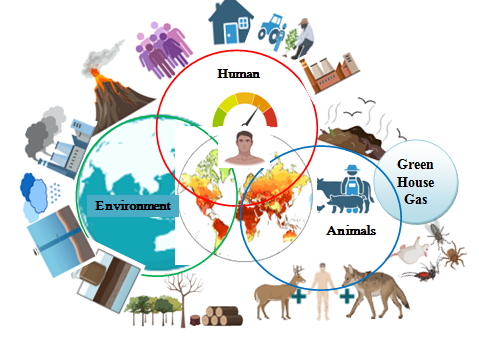
Zoonotic diseases don’t have any defined limit of transmission, they can transfer from animal to human or into the surrounding environment.. That’s why health professionals nowadays use the One Health concept, that means bringing all of one together.
Community surveillance supports One Health in action: As any report or warning raised by local farmers all the departments come across the area and do their specific work like treating animals by vets, health survey by health professionals and sampling and sanitation by environmental department. Everyone discusses and plans the best action course to benefit that area and community.
LIMITATIONS OF CBS AND EWS :
Volunteer Burnout and Decrease in Interest:
The greatest difficulty is keeping volunteers from the community over the long term. People are keen, especially when in the middle of or coming out of an event, but when there is no apparent threat, people turn off (this contributes to a decline in the rate of data arriving in the system)
The classical real-world case is the West African Ebola outbreak (2014-2016), during which thousands of volunteers helped communities to identify and report people who were sick and deaths that were not normal. After the epidemic was quashed, however, many volunteers stopped working, because there was no incentive to continue, and they had other everyday challenges to tackle. This decrease in reporting created gaps in surveillance, which could cause delay in detection of smaller flare-ups that still occurred in some areas.
Absence of Adequate Training:
Another drawback is that members of the community may not have the training to properly determine disease signs or atypical animal death.
Consider avian influenza in Southeast Asia, for example. In villages in Indonesia, villagers have reported sudden deaths of chickens in fear of bird flu only for vets to find that the chickens perished due to heat stress or malnutrition rather than illness. While better safe than sorry, too many false alarms clog up veterinary services and waste resources that can be used to address threats.
Infrastructure and Technology Challenges:
Surveillance in communities tends to depend on devices such as mobile phones or online reporting platforms. Yet, technology disparities are still a tremendous limitation in most areas.
For instance, in rural Uganda and the Democratic Republic of Congo, cellular network coverage can be spotty or nonexistent. Electricity is not dependable, so it’s difficult to keep phones charged or send reports regularly. Even where there is coverage, a lot of people cannot afford smartphones or data plans, and so counting on digital reporting may exclude a lot of communities from the system.
Cultural Barriers:
Cultural beliefs can also deter individuals from reporting health issues. In most societies, sickness — particularly unusual or lethal diseases — is enveloped in stigma or conventional beliefs that make people reluctant to report.
During the Ebola outbreak, there were communities in Liberia and Guinea who kept ill family members in secret because they were afraid of government measures such as quarantine, or thought that the disease was a result of witchcraft. It was through these secrets that the virus continued to spread before health officials could intervene.
Likewise, among certain East African pastoral communities, animal diseases are closely associated with income and social status. Individuals occasionally refuse to report diseased animals for fear that the government will kill their livestock to contain disease, resulting in serious economic loss.
Irregular Data Quality:
All reports from communities are not alike. Volunteers can give good reports in one village but very poor reports in another.
In Bangladesh, a pilot community-based surveillance of the Nipah virus uncovered that some health workers reported suspected cases correctly and in time, whereas others reported without completing the data or only reported after a time lag out of fear of unnecessarily panicking the community. Such discrepancies can hinder efforts by the health authorities to decide which alerts should be prioritized for investigation first.
Fear of Economic Loss:
Financial repercussions can also deter reporting. If individuals are dependent upon livestock for their survival, they may conceal outbreaks of disease in order to prevent economic loss.
In Vietnam, small poultry farmers were afraid to report outbreaks of bird flu because policies by the government insisted on keeping infected flocks under culling with no fair compensation. This kept people quiet and allowed the virus to spread longer than it could have should individuals feel financially secure.
Coordination Challenges:
Zoonotic disease surveillance needs the collaboration of various sectors — human health, animal health, wildlife, and environmental departments — to function effectively. In practice, coordination is lacking.
During the Rift Valley Fever outbreak in Kenya in 2006-2007, human health and animal health departments at times operated independently, gathering different sets of data and not communicating key information promptly. This failure to communicate added a delay to the coordinated response, and the virus spread further.
PROPOSAL OF NEW SURVEILLANCE SYSTEM FOR INDIAN SCENARIO:
For the control of Zoonotic disease in India, there is a need for a better surveillance system that can be implemented throughout the country and which will benefit all the animals and people of India.
As India is such a diversified and large country, there are many challenges to implement a new system in work which is relevant to all areas. As many sectors gain their reward and become successful to plan a new revolution in country by decentralising their work, i.e. AMUL created a white revolution by implementing this rule of decentralisation. That can be an inspiration for a surveillance system where while a country is divided in different zones and their own geographical value, their local services become their strength and used as a tool of surveillance.
- Learning from Amul: A Cooperative Model
Whenever we are thinking of a successful community -driven system in India, the first name that comes to mind is AMUL. It is a revolutionary model which transformed farmers into an empowered entrepreneur. The secret of the success of this model is a federated structure in which each layer of the model transfers information upward and brings benefits back down to the farmers. The same can be applicable for surveillance systems.
Imagine a nationwide network which collects reports from villages about sudden change in animal health, Forest watchers feed unusual wildlife sighting into the system, Private and government hospital data is synchronised and collected with the national health system and dairy staff notice changes in production and quality of milk and send reports to the upper layer of the model. All data is collected at zone level and tools like remote sensing, GIS mapping add an accurate location of reports that can be further used by Artificial intelligence to make a forecast Decision at national level.
- System Architecture :
As like AMUL model, this system is also divided into four tiers – from villages to national level , and each tier have different roles and responsibilities as informed below:
| Level | Key Participants | Core Responsibilities |
| Village Surveillance Society | Farmers, dairy staff, ASHA/ANM workers, private vets/doctors, forest guards, fisherfolk | Identify and immediately report animal deaths/illness, human fever clusters, wildlife die‑offs and environmental anomalies |
| District Surveillance Union | District Veterinary Officer, District Medical Officer, Forest and Environment Officers, District Epidemiologist | Triage village reports, dispatch Rapid Response Teams (veterinary, medical, wildlife), collect lab samples, validate and summarize data |
| State Surveillance Federation | State One Health Task Force, GIS/AI analysts, zonal epidemiologists, senior sector leads | Aggregate district data, perform spatial/temporal analyses (GIS mapping, AI trend‑spotting), coordinate resource deployment, escalate high‑risk events |
| National One Health Mission | MoHFW, MoAFW, MoEFCC, NCDC, AI/Data science units | Integrate national datasets, run predictive models, liaise with WHO/OIE/FAO, issue policy‑level alerts and guidance |
At the base are the Village Surveillance Societies (VSS), which represent the most decentralized elements of the system. These societies encompass a variety of local stakeholders, including dairy farmers, cooperative personnel, Accredited Social Health Activists (ASHAs), Auxiliary Nurse Midwives (ANMs), private veterinary and human health practitioners, forest rangers, and fishermen. The VSS functions as the primary sentinel network, responsible for identifying and reporting any atypical health occurrences in humans, livestock, or wildlife, as well as environmental irregularities such as water pollution or substantial fish die-offs.
Data collected by the VSS advances to the District Surveillance Union (DSU), paralleling Amul’s district milk unions. The DSU comprises district-level officials from veterinary services, public health, forest, and environmental departments, as well as district epidemiologists. Their responsibilities include reviewing reports from the village level, coordinating field investigations, overseeing diagnostic sample collection, and integrating data into a comprehensive district risk assessment.
Above the district tier is the State Surveillance Federation (SSF), which reflects Amul’s state federations. The SSF is tasked with consolidating district-level data and conducting in-depth analyses, encompassing geospatial mapping and temporal trend assessments. The federation includes the State One Health Task Force, alongside specialized GIS and artificial intelligence analysts and zonal epidemiologists, who interpret the data to pinpoint emerging hotspots and guide resource allocation across districts.
At the pinnacle resides the National One Health Mission (NOHM), comparable to the National Dairy Development Board within the Amul framework. The NOHM amalgamates multi-sectoral data from throughout the nation, utilizing sophisticated analytics and predictive modeling. Its governance comprises representatives from the Ministry of Health and Family Welfare (MoHFW), Ministry of Animal Husbandry and Fisheries (MoAFW), Ministry of Environment, Forests, and Climate Change (MoEFCC), the National Centre for Disease Control (NCDC), and specialized data science divisions. This national organization functions not only as a policymaking body but also as India’s liaison with international entities such as the World Health Organization (WHO), the World Organisation for Animal Health (WOAH), and the Food and Agriculture Organization (FAO).
- Operational Tasks and Surveillance Protocols
Operationally, the system is designed to facilitate both upward reporting and downward feedback. At the village level, community participants are educated in simplified syndromic definitions for early warning indicators across species and ecosystems. For example, in the domain of animal health, alerts such as numerous sudden livestock fatalities, herd abortions, or neurological signs in animals necessitate immediate reporting. In the realm of human health, the emergence of febrile clusters, neurological symptoms, or unexplained fatalities are similarly flagged. Environmental health indicators may encompass wildlife die-offs, fish mortality incidents, or visible contamination of water bodies.
These observations are collected daily at the Village Data Hub, which aggregates information through either paper logs, mobile applications, or SMS-based systems, contingent upon local connectivity and technological infrastructure. The compiled reports are relayed to the Disease Surveillance Unit (DSU), which employs predefined triage protocols to evaluate urgency and activate Rapid Response Teams (RRTs) when warranted. This guarantees that potential outbreaks are promptly investigated and that diagnostic samples are collected following standardized protocols.
State-level federations execute higher-order data analyses, integrating district data into geospatial platforms to visualize disease clusters and emerging trends. Artificial intelligence models are progressively incorporated to identify subtle patterns, recognize correlations across different sectors, and forecast potential outbreak zones. This advanced surveillance not only directs immediate response but also informs long-term preventive strategies, such as vaccination initiatives and habitat management plans.
The NOHM synthesizes this information on a national scale, delivering comprehensive risk assessments, policy suggestions, and international reporting. Critically, the system is structured to provide swift feedback to villages and districts, thereby closing the surveillance loop and ensuring that frontline communities receive implementable information. This feedback may encompass disease-specific advisories, vaccination strategies, biosecurity protocols, or community awareness campaigns, thus transforming surveillance data into practical interventions.
- Regional Customizations and Specializations
Acknowledging India’s diversity, the system integrates regional customization to ensure pertinence and effectiveness. In dairy-centric states such as Punjab and Haryana, existing milk cooperatives serve as surveillance nodes, incorporating routine testing for pathogens like Brucellosis and Foot-and-Mouth Disease (FMD) during milk collection. In arid areas like Gujarat and Rajasthan, mobile veterinary units accompany pastoral communities, sustaining surveillance continuity among nomadic herders whose livestock movements may contribute to pathogen dissemination.
In ecosystems abundant with biodiversity, such as Kerala and Tamil Nadu, eco-tourism instructors and forest monitors are educated to identify indications of avian influenza and other wildlife pathogens, incorporating conservation personnel into the monitoring framework. The North-East and Himalayan regions, distinguished by their lush woodlands and isolated communities, depend on community forest associations and Self-Help Groups (SHGs) to report wildlife fatalities or zoonotic occurrences like Kyasanur Forest Disease. Coastal areas involve fisherfolk cooperatives to observe marine mammal die-offs, harmful algal blooms, and fish deaths, providing timely alerts for marine zoonoses and environmental threats.
This geographically tailored method guarantees that monitoring is attuned not only to epidemiological hazards but also to socio-cultural contexts, fostering communal trust and ongoing involvement.
| State / Area | Existing Service / Facility | Application in New Surveillance System |
| Punjab & Haryana | Well‑established dairy cooperatives (e.g., Amul, Verka) | Integrate routine health screening (Brucellosis, FMD) into milk collection workflows; dairy staff report suspect animal signs via mobile/SMS directly to the district hub. |
| Gujarat & Rajasthan | Mobile veterinary dispensaries and Primary Animal Health Centres | Equip mobile units with rapid‐test kits; field vets collect and transmit epidemiologic data on nomadic herds in real time using offline‐capable apps. |
| Kerala & Tamil Nadu | Forest Department eco‑tourism networks and wildlife sanctuaries | Train eco‑tour guides and sanctuary staff in syndromic surveillance; establish hotlines for reporting wildlife morbidity/mortality events and unusual bird die‑offs. |
| North‑East & Himalayas | Community Forest Committees & Self‑Help Groups (SHGs) | Empower local committees to document and report wildlife deaths or tick‑bite clusters; use village meetings to disseminate zoonosis alerts and preventive advice. |
| Coastal States | Fisherfolk cooperatives and coastal monitoring stations | Engage fisherfolk to log fish kills, marine mammal strandings, or algal bloom events via standardized SMS forms; coastal labs test environmental samples for emerging pathogens. |
| Urban Metros | Private hospitals, diagnostic chains & lab networks | Integrate de‑identified patient data on febrile or neurological illness clusters into a central dashboard; set up automated alerts for spikes in key symptoms. |
| All Agricultural Regions | Krishi Vigyan Kendras (KVKs) and State Animal Husbandry Boards | Use KVK extension officers to relay reports of livestock syndromes; leverage board laboratories for confirmatory diagnostics and share results via the state surveillance portal. |
- Integration Across Sectors: Achieving One Health
A biggest advantage of the Amul-inspired framework lies in its fluid amalgamation of diverse sectors within the One Health model. In contrast to conventional vertical initiatives functioning in isolation, this approach institutionalizes inter-sectoral data sharing and collective decision-making. Veterinary information is communicated to human health authorities, environmental data informs responses in both animal and human health, and reciprocally. For instance, incidences of livestock abortions may instigate concurrent human inquiries for zoonotic pathogens, while fish mortality episodes could lead to water quality assessments and public health warnings to avert waterborne zoonoses.
Digital platforms enhance this fusion, with mobile applications, GIS technologies, and cloud-based databases facilitating real-time data interchange among sectors. Standardized data formats and interoperable systems diminish redundant efforts and elevate the thoroughness and precision of national disease intelligence. This comprehensive surveillance methodology not only bolsters outbreak identification but also encourages synchronized interventions, such as cooperative vaccination campaigns, community awareness initiatives, and biosecurity efforts.
- Benefits and Strategic Advantages
The Amul-inspired surveillance framework presents considerable advantages over traditional methodologies. Its grassroots involvement guarantees that disease indicators are recognized swiftly at their origin, enabling prompt containment and mitigating the likelihood of widespread distribution. The federated structure ensures systematic data flow while maintaining local ownership, which cultivates accountability and confidence. Furthermore, cross-sector integration supports exhaustive risk evaluations, permitting India to tackle emerging health challenges in a cohesive and economically viable manner.
From an economic perspective, the model capitalizes on existing infrastructure and social networks, reducing the necessity for entirely new bureaucratic systems. Its alignment with local cooperatives and community frameworks enhances cultural acceptance and logistical practicality, promoting sustainability. Significantly, the model empowers local communities to engage actively in disease prevention, transitioning them from passive recipients of health initiatives to proactive stewards of public health.
- Limitations and Operational Challenges
Notwithstanding its promise, the model confronts various hurdles. Data integrity at the village level may fluctuate due to disparities in education, technical expertise, and awareness among community reporters. Technological gaps across regions, including inadequate internet access in remote locations, hinder real-time data transmission and restrict the application of sophisticated analytics in certain areas. Maintaining prolonged community participation necessitates continual financial and social incentives, which require committed funding and policy dedication. Additionally, incorporating private-sector health information into public surveillance frameworks raises legal and privacy issues that demand clear regulatory guidelines.
Another obstacle resides in guaranteeing consistent standards across states and districts. Variations in administrative capability, resource accessibility, and political agendas may result in inconsistent enforcement. Therefore, although the decentralized method permits adaptability, it concurrently necessitates stringent supervision to uphold system integrity and national unity.
CONCLUSIONS
“It’s not satellites in the sky that detect the first signs of threat, it’s the farmer in the field, the fisher at sea, and the forest guard in the trees.”
India’s experience in developing a robust zoonotic disease surveillance capacity and response system tells us that the best form of defense starts from the ground up. Using the collaborative spirit of the Amul model, we are engaging ordinary citizens to become informed and active protectors of public health.
For professionals, it is a structured, integrated working model that connects human, animal, and environmental health functions. For community members, it represents an opportunity to transform local knowledge into national protection.
In a world where diseases can move by air and waterways, India’s best form of defense is its people – working together, constantly observing, and responding accordingly. Because when it comes to zoonoses – every set of eyes, every body, every voice counts.