

From Streets to Scalpel: Empowering Veterinary Skills for a Humane Solution to India’s Stray Dog Crisis
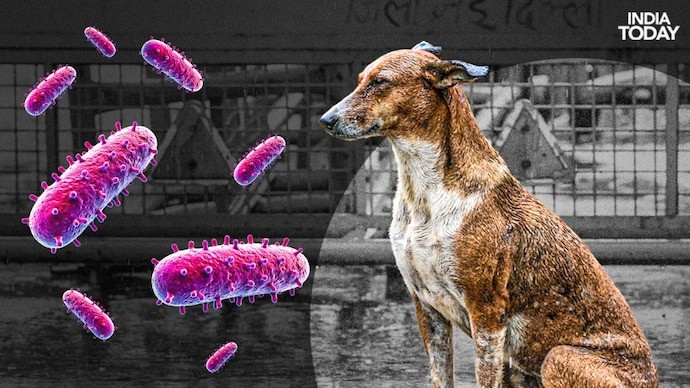
India’s stray dog crisis is no longer a shadow hanging at the edge of public discourse — it has emerged as a pressing public health, animal welfare, and community safety concern demanding urgent, humane action. Recent media reports highlight renewed national efforts to tackle this crisis by shifting stray dog population control from sporadic catch-and-release drives to structured, scientifically grounded interventions in surgical theatres and recovery facilities.
The Anatomy of the Crisis
Despite the intentions behind India’s Animal Birth Control (ABC) Rules of 2023 — which mandate the sterilisation, anti-rabies vaccination, and humane treatment of stray dogs — implementation remains fragmented and underfunded.
A persistent and growing stray population estimated in the tens of millions, accompanied by rising dog-bite incidents and preventable rabies fatalities.
Beyond statistics, what is most tragic are the human-animal interactions that result from a lack of systemic capacity — from frightened schoolchildren to exhausted municipal teams overwhelmed by the scale of the problem. This is compounded in many regions by limitations such as insufficient veterinary surgeons in local bodies, inadequate infrastructure, and inconsistent funding support.
Why the New Approach Matters
Recent developments propose a national funded initiative to build dedicated sterilisation theatres, recovery wards, and logistical support at government veterinary hospitals under the upcoming finance cycle (2026–2031). The aim is to bring uniformity across states and significantly enhance the scale and effectiveness of the ABC programme.
This shift represents a meaningful evolution — from reactive, ad hoc activities to planned, resource-backed, and humane population management.
It encompasses:
Dedicated operation theatres and post-operative care facilities for stray canine sterilisation and vaccination.
Structured protocols and SOPs aligned with humane treatment standards.
Integration with public health goals such as rabies elimination under the WHO’s “Zero by 30” initiative.
The Core of the Solution: Skilled Veterinary Professionals
At the heart of these initiatives are veterinary professionals — surgeons, clinicians, and animal health workers — whose skills and dedication make humane, safe, and effective interventions possible. Yet, one of the major challenges in the field remains the availability and training of veterinary surgeons and support staff, especially within local bodies such as panchayats and municipalities.
Skill development is not optional — it is foundational.
To truly transform India’s stray dog management programme, we must:
- Enhance surgical proficiency for high-volume sterilisation surgeries through certified training modules tailored to ABC protocols.
- Train veterinary support teams — anaesthesia assistants, post-operative care staff, and dog handlers — to reduce complications and improve recovery outcomes.
- Embed continuous education on the latest welfare science, rabies prophylaxis, and humane capture techniques.
- Create specialisations and recognition within veterinary careers for community animal health, canine surgery, and shelter medicine.
National & Local Cooperation — A One Health Vision
Solving the stray dog crisis is not merely a local or municipal task — it is a One Health endeavour that bridges public health, veterinary sciences, and community participation. The proposed national funding framework offers an opportunity not only to build infrastructure but also to strengthen veterinary capacity at all levels — from rural corps to urban hospital teams.
Moreover, while humane sterilisation and vaccination remain central, we must also invest in public awareness, responsible waste management (to reduce food sources that fuel dog population growth), and community-based reporting systems that support professional efforts rather than hinder them.
A Humane, Sustainable Path Forward:-
India’s stray dog crisis underscores the need for compassion backed by competence. A national programme that combines infrastructure, funding, humane policy, and skilled veterinary professionals can dramatically alter the landscape of street dog management.
For veterinarians and animal health professionals, this is a moment to step forward — to sharpen skills, expand capacities, and lead with science, empathy, and professionalism. By uplifting the veterinary workforce, we not only safeguard public health but also reaffirm our humane obligations to the millions of animals that share our streets and our lives.
Dr Rajesh Kumar Singh , Editor In Chief –Pashudhan praharee
www.pashudhanpraharee.com , 9431309542