
India–U.S. Trade Talks and the Dairy Sector: A Crucial Crossroads for Rural Livelihoods
📅 Pashudhan Praharee | 16 July 2025
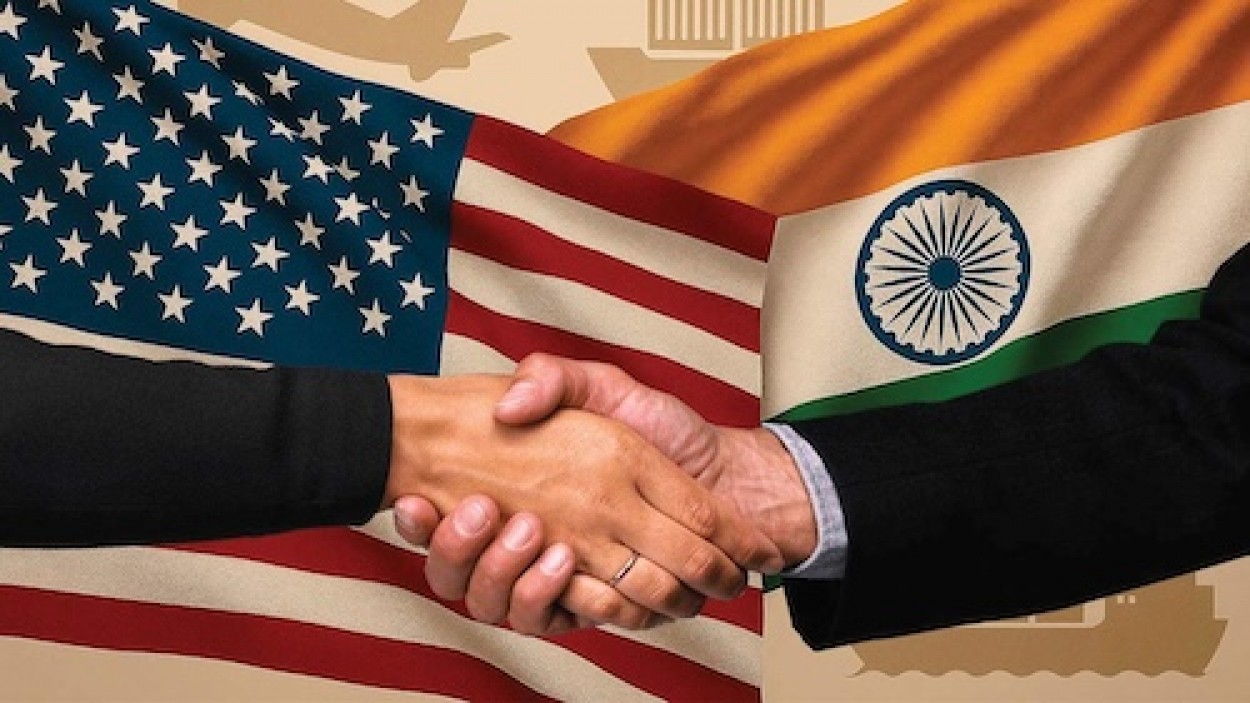
As India and the United States advance discussions toward a comprehensive bilateral trade agreement, one of the most sensitive and debated topics has emerged—India’s dairy sector. The U.S. side has urged India to lower import duties and remove certification requirements on animal-derived dairy products, aiming to gain access to India’s massive dairy market.
However, dairy in India is not just a sector—it is the backbone of rural economy, deeply linked with livelihood, nutrition, women empowerment, and cooperative structures. Over 80 million small and marginal farmers, a large proportion being women, depend on it for their daily income and food security.
India’s Dairy Sector: Beyond Milk, A Rural Lifeline
India is the largest producer and consumer of milk globally, contributing over 23% of the world’s milk. Unlike industrialized nations, India’s dairy development is rooted in smallholder-based production systems, where families typically rear 2–3 milch animals and are often members of cooperatives like Amul, Nandini, etc.
This decentralized system was strengthened during the White Revolution, transforming India from a milk-deficient country to a dairy power—fueled by rural households, not corporate farms.
🚨 Why Dairy Is a Non-Negotiable Red Line
India has clearly marked dairy and agriculture as “red lines” in the trade talks. Here’s why:
- Livelihood Security: Dairy is often the only consistent source of income for rural families, particularly landless laborers and women.
- Nutritional Security: It plays a crucial role in national programs like mid-day meals and Anganwadis.
- Cooperative Economy: India’s dairy cooperatives return up to 70% of sales revenue back to farmers, enabling rural economic democracy.
Allowing subsidized imports from the U.S.—which enjoys vast economies of scale—could collapse this finely balanced model, especially if price crashes make local milk unsellable.
⚠️ Key Concerns Raised
| Concern | Details |
| Livelihood Risk | A 15% drop in milk prices could cost Indian farmers ₹1.03 lakh crore annually (SBI). |
| Dumping Threat | U.S. overproduction may result in market flooding and price collapse. |
| Feed Certification | India’s vegetarian feed requirement is based on religious beliefs and consumer preference—under threat at WTO. |
| Strategic Role | Dairy contributes 4% to India’s GDP—more than rice and wheat combined. |
🛑 Trade Deals Must Not Undermine Cooperatives
If India concedes to U.S. pressure—even with quota-based access or SEZ arrangements—it may lead to:
- Lower procurement rates for farmers
- Collapse of cooperative models
- Disruption of supply chains (veterinary, fodder, cold storage, etc.)
🛡️ What India Should Do
- Back NTBs with Science
Strengthen scientific and consumer-based justifications for vegetarian feed certification and align with international food safety standards. - Invest in Competitiveness
Improve breed quality, fodder production, cold chains, and reduce production costs per litre. - Protect Dairy in FTA Negotiations
Keep dairy outside the scope of the trade deal, just like past FTAs. - Mobilize Stakeholders
Encourage cooperative bodies to sensitize the public and policymakers about the risks to rural India. - Strategize at WTO
Build coalitions with other nations facing similar challenges to counter pressure from developed countries.
🧭 Conclusion: Dairy Is More Than Trade—It Is Trust
India’s dairy sector is not just an economic engine—it is a symbol of rural resilience, food sovereignty, and cooperative spirit. While international trade has benefits, it must never be allowed to destabilize the lives of India’s most vulnerable communities.
At Pashudhan Praharee, we stand firmly with our farmers, cooperatives, and grassroots stakeholders. As India moves forward on its path to Viksit Bharat @2047, we urge policymakers to prioritize rural livelihoods over short-term trade gains, ensuring the milk of India continues to nourish its people—economically, socially, and emotionally.
✍️ Pashudhan Praharee Editorial Team
🌐 www.pashudhanpraharee.com
📩 For feedback or opinion pieces, contact us at: pashudhanpraharee@gmail.com