


Plants having anti-protozoal activity against various blood protozoans
Tanvi Gupta1 , Keshav1 , Dr. Yash Bhargava2
14th Year Student, R.P.S. College of Veterinary Sciences, Balana, Mahendragarh
2Assistant Professor, R.P.S. College of Veterinary Sciences, Balana, Mahendragarh
Corresponding author’s mail :- keshavsharma7479010309@gmail.com
Introduction
Blood protozoan infections represent a major and persistent challenge in both human and veterinary medicine worldwide. These parasites, which include genera such as Plasmodium (causative agent of malaria), Trypanosoma (sleeping sickness and Chagas disease), and Babesia (babesiosis in animals), invade and multiply within the blood cells or plasma, causing severe clinical syndromes and significant economic losses, particularly in livestock industries. Conventional antiparasitic drugs, while effective, face rising issues including drug resistance, toxicity, and residue concerns in animal products. As a result, there is growing scientific and practical interest in natural alternatives derived from medicinal plants rich in bioactive compounds with anti-blood protozoal properties.
This article provides a comprehensive review of various plants with scientifically documented anti-protozoal activity against blood parasites, highlighting the principal phytochemical components responsible for this activity and describing their mechanisms of action. The aim is to present a holistic, evidence-based discussion relevant to researchers, veterinarians, livestock producers, and policy makers focusing on integrated and sustainable parasite control strategies.
Major Plants with Anti-Blood Protozoal Activity
A range of medicinal plants from diverse families has been studied for their efficacy against blood protozoans, mainly Plasmodium, Trypanosoma, and Babesia species. Key plants include:
- Artemisia annua (Sweet Wormwood)
- Active Components:Artemisinin and its derivatives (sesquiterpene lactones).
- Protozoan Targets:Plasmodium falciparum, vivax (malaria).
- Efficacy:Artemisinin rapidly kills blood-stage malaria parasites and is the basis of WHO-recommended artemisinin-based combination therapies (ACTs).
- Mechanism:Artemisinin’s endoperoxide bridge reacts with iron in the parasite’s heme, generating reactive oxygen species (ROS) that damage parasite proteins, membranes, and DNA leading to parasite death.

Fig. 1 Sweet Wormwood
- Azadirachta indica (Neem)
- Active Components:Azadirachtin, nimbolide (limonoids).
- Protozoan Targets:Plasmodium, Trypanosoma brucei.
- Efficacy:Neem extracts demonstrate significant antiparasitic effects and have shown promising in vitro and in vivo trypanocidal and antiplasmodial activity.
- Mechanism:Inhibits parasite growth by disrupting mitochondrial function, inhibiting key enzymes, and generating oxidative stress in protozoans.
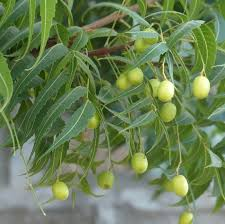
Fig. 2 Neem
- Cryptolepis sanguinolenta
- Active Components:Cryptolepine (alkaloid).
- Protozoan Targets:Plasmodium falciparum.
- Efficacy:Alkaloid-rich extracts have potent antiplasmodial activity, including against chloroquine-resistant strains.
- Mechanism:DNA intercalation and inhibition of parasite topoisomerase II, blocking DNA replication and transcription.

Fig. 3 Cryptolepis sanguinolenta
- Curcuma longa (Turmeric)
- Active Components:Curcumin (polyphenolic compound).
- Protozoan Targets:Plasmodium, Trypanosoma.
- Efficacy:Curcumin shows in vitro antiparasitic effects; alone or synergistically with conventional drugs.
- Mechanism:Modulates host immune responses, induces oxidative stress, inhibits proteases essential for parasite survival.

Fig. 4 Turmeric
- Annona muricata (Soursop)
- Active Components:Annonaceous acetogenins.
- Protozoan Targets:
- Efficacy:Leaf extracts inhibit Trypanosoma growth in vitro.
- Mechanism:Blocks mitochondrial complex I selectively in parasite cells, disrupting ATP synthesis.

Fig. 5 Soursop
- Moringa oleifera (Drumstick tree)
- Active Components:Flavonoids, phenolic acids.
- Protozoan Targets:Plasmodium, Babesia.
- Efficacy:Extracts reduce parasitemia in animal babesiosis models.
- Mechanism:Antioxidant activity, inhibition of parasite DNA synthesis pathways.
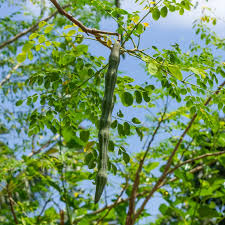
Fig. 6 Drumstick tree
- Vernonia amygdalina (Bitter leaf)
- Active Components:Sesquiterpene lactones, flavonoids.
- Protozoan Targets:Plasmodium, Trypanosoma.
- Efficacy:Traditionally used anti-malarial plant with demonstrated in vitro activity.
- Mechanism:Disruption of parasite energy metabolism and induction of oxidative stress.

Fig. 7 Bitter leaf
- Momordica charantia (Bitter melon)
- Active Components:Cucurbitane-type triterpenoids.
- Protozoan Targets:Leishmania, Trypanosoma.
- Efficacy:Extracts show inhibition of parasite growth in several protozoan models.
- Mechanism:Mitochondrial dysfunction induction, apoptosis-like death pathways in parasites.
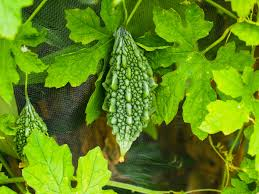
Fig. 8 Bitter melon
- Terminalia spp.
- Active Components:Ellagic acid, quercetin.
- Protozoan Targets:Trypanosoma, Plasmodium.
- Efficacy:Exhibits selective inhibition of parasite growth.
- Mechanism:Inhibition of parasite protein kinases and beta-hematin formation.

Fig. 9 Terminalia spp.
- Senna occidentalis
- Active Components:
- Protozoan Targets:Trypanosoma
- Efficacy:In vitro activity against trypanosomes demonstrated.
- Mechanism:DNA intercalation and disruption of parasite replication

Fig. 10 Senna occidentalis
Principal Phytochemical Components and Their Mechanisms of Action
Plasma or blood-dwelling protozoans have complex life cycles requiring powerful interventions. Plant secondary metabolites effective against these parasites predominantly belong to the following chemical classes, each often acting via multi-target mechanisms:
| Phytochemical Class | Example Compounds | Mechanisms of Action |
| Sesquiterpene lactones | Artemisinin, Vernodalin | ROS generation via endoperoxide bond activation, oxidative damage to parasite proteins and membranes |
| Limonoids | Azadirachtin, nimbolide | Mitochondrial disruption, apoptosis induction, enzyme inhibition |
| Alkaloids | Cryptolepine, quinine, berberine | DNA intercalation, topoisomerase inhibition, blocking replication/transcription |
| Polyphenols (Flavonoids) | Quercetin, ellagic acid, catechins | Protein kinase inhibition, iron chelation, antioxidation leading to parasite death |
| Triterpenoids | Cucurbitacins, arjunglucoside | Mitochondrial dysfunction, ATP synthesis inhibition |
| Anthraquinones | Emodin, rhein | DNA damage, inhibition of parasite enzymes |
| Saponins | Dioscin | Membrane permeabilization and lysis |
Detailed Mechanisms:
- Oxidative Damage and Reactive Oxygen Species (ROS) Generation:
The activation of compounds like artemisinin within the parasite, facilitated by heme-iron, leads to a burst of ROS that damages parasite macromolecules, collapsing cellular functions and leading to rapid parasite death. - DNA Interaction and Enzyme Inhibition:
Alkaloids and anthraquinones intercalate into parasite DNA, preventing replication and transcription. They also inhibit parasite-specific topoisomerases crucial for DNA metabolism, leading to cell cycle arrest. - Mitochondrial Dysfunction:
Several compounds target parasite mitochondria, disrupting electron transport chains and inhibiting ATP production. This hampers energy metabolism, leading to parasite starvation and death, especially relevant in Trypanosomaand Babesia. - Membrane Disruption:
Saponins create pores or destabilize parasite membranes, leading to leakage of ions and metabolites, loss of membrane potential, and cytolysis. - Enzyme and Protein Kinase Inhibition:
Flavonoids inhibit parasite protein kinases and critical metabolic enzymes such as beta-hematin formation in Plasmodium, interfering in parasite replication and survival mechanisms. - Immune Modulation:
Some compounds (curcumin, flavonoids) enhance host immune responses, including macrophage activation, cytokine modulation, and antioxidant defense, indirectly helping clear parasitemia.
Scientific Evidence and Applications
The antiprotozoal efficacy of these medicinal plants has been demonstrated in diverse experimental systems:
- In vitro studieshighlight low micromolar IC50 values against blood protozoan parasites for artemisinin (IC50 in nM range for Plasmodium), cryptolepine, neem limonoids, and curcumin.
- In vivo animal modelsshow reduced parasitemia and improved survival after administration of these plant extracts or isolated compounds.
- Some plant-derived compounds exhibit synergistic effects with conventional drugs, reducing effective doses and resistance development.
- Phytochemicals can have multi-stage activity, targeting both erythrocytic and extracellular bloodstream forms, making them versatile treatment options.
Challenges and Future Perspectives
- Standardization:Variability in active compound concentration due to plant source, harvest time, and extraction methods requires standardization for therapeutic use.
- Toxicity and Safety:Although generally safer than synthetic drugs, some phytochemicals may have host toxicity or side effects at higher doses necessitating detailed toxicological evaluations.
- Pharmacokinetics and Bioavailability:Improving delivery, stability, and absorption of plant compounds will enhance efficacy in vivo.
- Resistance Management:Combining plant-based treatments with existing drugs can mitigate resistance emergence, but requires comprehensive studies.
Summary
Medicinal plants rich in sesquiterpene lactones, limonoids, alkaloids, flavonoids, and triterpenoids constitute a valuable reservoir of bioactive compounds with potent anti-blood protozoal properties. Key plants including Artemisia annua, Azadirachta indica, Cryptolepis sanguinolenta, Curcuma longa, and others have demonstrated strong activity against devastating protozoan parasites such as Plasmodium, Trypanosoma, and Babesia species.
These phytochemicals act through multifaceted mechanisms — generating oxidative stress, inhibiting DNA processes, disrupting mitochondria and membranes, and modulating host immunity — providing a strong scientific foundation for their application in integrated parasite management. While challenges around standardization, safety, and delivery remain, ongoing research and traditional knowledge convergence suggest plant-based antiparasitic agents will increasingly complement or enhance conventional therapies, fostering sustainable animal health and productivity.
References:
- Willcox ML, Bodeker G. (2004). “Traditional herbal medicines for malaria.” BMJ.
- Ferreira JFS, et al. (2010). “Artemisinin: From plant to treatment of malaria and beyond.” Phytochemistry Reviews.
- Singh RK, et al. (2016). “Medicinal plants against blood protozoan parasites: A review.” Parasite Immunology.
- Hoste H, et al. (2015). “Antiprotozoal activity of plant-derived compounds: Current status and prospects.” Veterinary Parasitology.