



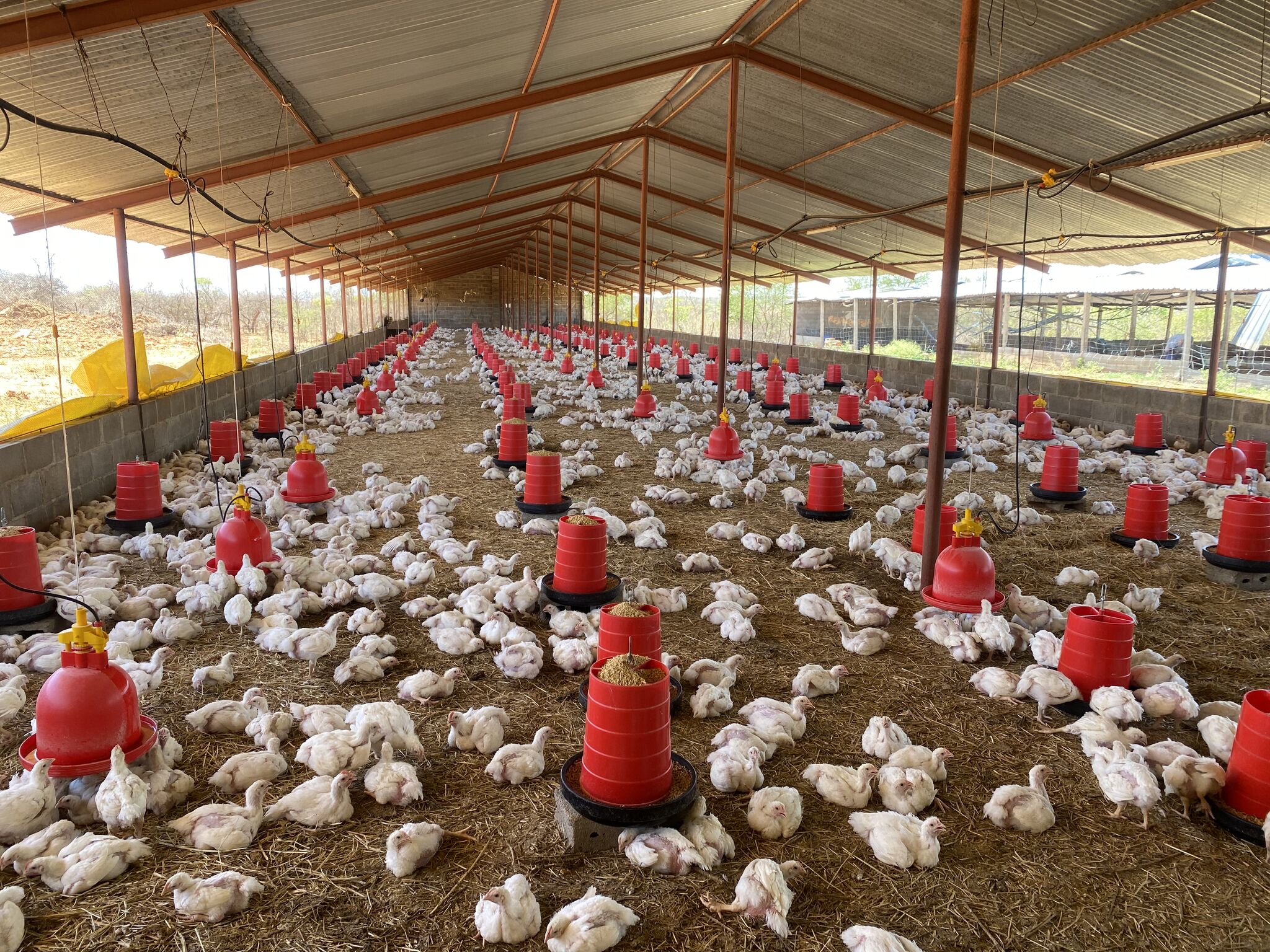
Principles and Practices of Bio-Security in Commercial Poultry Farms
Dr Neelam Tandia, Dr Dharmendra Kumar, Dr Anuradha Nema, Dr Priya Singh, Dr Tanya Pawar and Dr Yash Sharma
College of Veterinary Science and Animal Husbandry, Rewa, NDVSU, Jabalpur (M.P.)
- Introduction:
Biosecurity is an integrated approach encompassing policy and regulatory frameworks to analyse and manage risks in areas of animal health and food safety, including associated environmental risk. A poultry biosecurity plan is a set of strategies and procedures designed to prevent the introduction and spread of diseases within a poultry flock and on a farm. It aims to protect the health and productivity of birds by minimizing the risk of infection from pathogens, which can be carried by various sources like people, vehicles, wild birds, and even insects.
Principlesof biosecurity of commercial poultry farms:
There are different factors which are very essential steps to follow for poultry biosecurity
- Access Control: Limiting access to the farm to authorized personnel and implementing strict hygiene protocols for visitors, including requiring them to wear clean clothing and disinfect their footwear.
- Traffic Control: Establishing separate routes for people and vehicles to minimize the spread of pathogens within the farm.
- Sanitation: Regularly cleaning and disinfecting the farm, including equipment, housing, and vehicles, using appropriate disinfectants.
- Water Management: Ensuring access to clean, treated water and preventing contamination from wild birds or other sources.
- Feed Management: Storing feed properly to prevent contamination and using only reputable feed suppliers.
- Wild Bird Control: Implementing measures to prevent wild birds from entering the farm or coming into contact with the birds.
- Pest Control: Managing rodents, insects, and other pests that can carry disease.
- Waste Management: Properly disposing of manure, dead birds, and other waste to prevent the spread of disease.
- Monitoring and Surveillance: Regularly monitoring the flock for signs of disease and implementing rapid response protocols in case of outbreaks.
- Staff Training: Educating staff on biosecurity procedures and the importance of following them.
Importance of Biosecurity:
-
- To prevents different disease outbreaks:By minimizing the risk of disease introduction and spread, biosecurity helps prevent outbreaks that can cause significant losses in production and profitability.
- To protect public health:Disease outbreaks in poultry can also pose risks to human health.
- To reduces financial or economic losses:Healthy flocks are more productive and profitable, while disease outbreaks can lead to significant economic losses.
In essence, a poultry biosecurity plan is a comprehensive approach to protecting poultry health by minimizing the risk of disease introduction and spread. It requires ongoing vigilance and attention to detail to ensure its effectiveness.
Important practices for implementation of an effective poultry biosecurity plan:
- Parameter should be secured
- No trees or dense foliage around the sheds
- Restrict entry to essential personals and record entry
- Keep poultry house locked, lock from inside while inside
- Provide boots and covers for staff and visitors.
- After caring of flock changing the cloths and washing hands and arms
- Ensure staff and visitors are aware of the dangers of raising and visiting other avian species and their contact with your flock.
- Monitor vehicles entering premises for poultry pickup or delivery
- Minimise entry of equipment, supplies etc and take appropriate precautions such as disinfection
- Clean and disinfect all coops crates and other poultry containers or equipment before and after the use.
- Maintain a strong vector control programme
- Ensure feed and water and bedding sources are free from infections agents.
- Sick or dying birds should be sent to state Laboratory for diagnosis.
Biosecurity and animal welfare:
It is of almost importance that birds must be free form stress for which over crowing must be avoided, appropriate ventilation and temperature must be regulated to make the environment ambient biosecurity also ensures animal welfare to a great extent as observed by OIE also biosecurity programmes should be designed and implemented commensurate with best possible health status.
The location and structural biosecurity principles are to be followed at the very beginning while setting up the farm. Operational biosecurity measures in general revolve around there basis principles, Isolation, Traffic control and Sanitation
For high risk /Alarming situation. 1.Sey quarantine upon suspension of an infectious disease –No movement of poultry, eggs dead carcass manure farm machinery and equipment of any kind should be allowed within the affected shed area, 2. Immediately adopt enhanced biosecurity protocols for unaffected sheds, 3. Treat dead birds as infections material and dispose of accordingly 4. Disinfection procedures should be strictly applied at the entrance and around the premises, 5. Immediate reporting of the unusual mortality and sickness of the birds in the farm to the nears government veterinary officer/ministry.
Criteria for visitors of poultry shed and around areas
- Visitors should not keep poultry, caged birds or pigs at home.
- Visitors must wear protective clothing provided
- Visitors must wear protective boots /foot coverings
- Visitors must sanitize hands before entering sheds
- Visitors must sanitize boots in the footbath provided on entering production areas/ shed. or change into a separate pair of shed boots.
Water quality Do’s and don’ts of water management: as water is very important or required factor for lives of any living’s things
- Do’s:Clean drinker twice a day, maintain water tank under shad, Store wire sanitizer in cool and dork place, daily check out for water sanitizer available in store (Quantity and quality), clean the drinker after raking the litter.
- Don’ts: Do not store water more than one day in shad water tank, do not administer water in bent pipelines, do not keep water sanitizer on the top of tanks, check the compatibility of medicine in drinking water with sanitizes used, do not multi source water to the birds.
- Conclusion: Biosecurity plan is crucial for preventing the introduction and spread of diseases on farms, protecting both animals and people. by prioritizing biosecurity, farmers can minimize the impact of disease outbreaks, protect their livelihoods, and contribute to the overall health and well-being of livestock and the wider community.















