


Buffalo Farming: A Practical Guide for Bhartiya Kisan
(From Farm Reality to Production Excellence)
- Dr. Kamble Bhagyashree Mukund, Ph.D., Assistant Professor (LFC- AGB), Yashodeep, Veterinary College, Saralgaon, Murbad
Former Assistant Professor, Department of Animal Genetics and Breeding, Apollo college of Veterinary Medicine, Jaipur, Rajasthan
Mobile: +91-9167596462, Email: kamblira27@gmail.com, kamblebm23@gmail.com
- Prof. (Dr.) Bharat Bhushan, Ph.D., ARS – 1985 Batch; Pantnagar: 1982 Batch
Former Principal Scientist and Head, Chairman D-BOS, Visiting Scientist WSU, USA
Division of Animal Genetics, ICAR-Indian Veterinary Research Institute, Izatnagar – 243 122, Bareilly (U.P.) INDIA
Professor (Animal Breeding) School of Veterinary, Abhilashi University, Chail chowk, Tehsil Chachyot, Distt. Mandi (HP)
Former Professor and Head (AGB), MJF College of Veterinary and Animal Sciences, Chomu, Jaipur (Rajasthan), Mobile: +91-9411607873, E-mail: bhushan.drbharat@gmail.com
India has over 100 million buffaloes producing 43% of our nation’s milk (248 million tonnes in 2024-25). Buffaloes are the backbone of rural prosperity. If you’re a buffalo farmer – whether you have two animals or 50 – this is a guide for all.
The Hard Truth: Majority of the buffaloes produce only 1,500 kg or less of milk per lactation. However, the country has good breeds which can produce 3,000+ kg. This difference can be meet out through better breeding, feeding, and overall management practices. And most importantly, understanding “WHAT TO DO” and “HOW TO DO IT” on your farm. This guide gives you practical, actionable steps you can implement right away to increase your buffalo’s productivity and your family’s income.
Understanding Your Buffalo’s Potential: Why Most Buffaloes Underperform. Let’s be honest about the challenges you face every day:
Poor Nutrition: You feed what’s available, not what’s needed. Green fodder shortage for 6-8 months yearly.
Breeding Problems: No access to quality AI semen. Local bulls with unknown pedigree information are mostly used.
Outcome: 18-month calving interval instead of 13-14 months.
High Calf Mortality: Up to 20% calves die in first 2 months. Each calf lost = ₹20,000-30,000 loss.
Diseases Burden: Major diseases like Mastitis, Haemorrhagic Septicaemia (HS), Brucellosis, Bovine Tuberculosis (bTB), Foot-and-Mouth Disease (FMD), Bovine Viral Diarrhoea (BVD), Lumpy Skin Disease (LSD), Degnala Disease (or Khari Disease) , Metabolic Disorders, Gastrointestinal Parasites, and Tick-borne Diseases, etc. reduce milk 15-20% and increase treatment costs.
Low Milk Prices: Middlemen pay ₹40-45/ litre when you should get ₹55-60 based on 8% fat content.
Limited Credit: Banks hesitate to lend for buffalo farming. High interest rates (12-14%).
Table 1. What success looks like (in real numbers)
| Parameters | Current Average | Achievable Target |
| Milk yield / lactation | 1,500 kg | 2,500-3,000 kg |
| Calving interval | 18 months | 13-14 months |
| Calf mortality | 15-20% | Below 5% |
| Annual income / buffalo | ₹60,000-70,000 | ₹1,20,000 – 1,50,000 |
Practical Steps Need to be Taken: It is essential to work Step-by-Step. Don’t try to do everything at once. Follow this phased approach based on the resources available with you:
Phase 1: First 3 Months – Foundation (Low Cost, High Impact)
- Improve Feeding Immediately: Provide 2.5 kg concentrate per litre rule, if buffalo produce 10 litters milk per day and green fodders (like maize, berseem, lucerne, or local grasses) 25-30 kg daily. The cost of the concentrate is approximately ₹80-100/day. But the milk yield will increase 2-3 litres milk, which will generate extra income from ₹100-150 daily.
- Water and Housing: Ascertained 40-50 litres clean water per buffalo daily and replace it with fresh and clean water 2-3 times daily. Minimum 40 sq. ft per animal space should be provided. Open and covered area should be provided to the animals, use tarpaulin if permanent roof not possible. This will cost to ₹5,000-10,000 approximately and serve for one-time for basic improvements.
- Start Health Calendar:Deworming should be done at every 3 months interval, which cost approximately ₹50-80 per animal. Vaccinations are essential for FMD, HS, BQ as per local schedule, which usually free from government.
- Check udder daily:Look for swelling, teat, or abnormal milk. Early mastitis treatment costs approximately ₹200-300. However, delayed treatment = ₹2,000-3,000 + permanent damage of teats.
Phase 2: Months 4-6 – Breeding and Fodder
- Switch to Quality Artificial Insemination (AI): Find out the nearest AI centre and ask the veterinary officer or dairy cooperative to inseminate the buffaloes. Always use the semen of proven bulls with high genetic merit. Preferably the semen of a bull whose mother produced 3,000+ kg milk. For, heat detection watches for restlessness, bellowing, mounting behaviour of the animals. Call AI technician within 12 hours of heat and inseminate the buffaloes twice (morning and evening). The cost will be approximately ₹300-500 per AI, but the calf born will be worth ₹10,000-15,000 more.
- Grow Your Own Fodder:Start as small practices and even 1/4 acre can produce 60-80 kg green fodder daily (enough for 2-3 buffaloes). Best fodder crops grown are Maize (summer), berseem / lucerne (winter), Napier grass (year-round if irrigated). Make silage, when you have excess fodder, make silage for lean months. Simple pit silage costs nothing. Cost savings is approximately ₹1,500-2,000/month on fodder purchase.
Phase 3: Months 7-12 – Scale and Systems
- Improve Marketing: Join a cooperative to get fair price based on fat content. Buffalo milk has 7-9% fat vs. cow’s 4% or finds direct buyers like sweet shops, restaurants, and hotels need buffalo milk for paneer, sweets. The price increases ₹10-15 more per litre = ₹3,000-4,500 extra monthly for 10 litres/day buffalo.
- Keep Simple Records: Make a daily practice to record the morning milk and evening milk, and also make the total of it. Also, main the records of monthly expenditure involved in the feed cost, veterinary cost, milk sale, net profit. Why it is essential because by doing so you’ll know which buffalo is profitable. Accordingly, it will help you in making better decisions on feeding, breeding, culling.
Phase 4: Practical Feeding Guide
Table 2. Daily feeding schedule (Sample for the buffalo producing 10 litre milk/day)
| Time | Feed Type | Quantity |
| Morning (6-7 AM) | Concentrate mix | 12.5 kg (half of 25 kg daily need) |
| After milking | Green fodder | 12-15 kg |
| Mid-day (12 PM) | Dry fodder (wheat/paddy straw) | 3-4 kg + Fresh water |
| Evening (5-6 PM) | Concentrate mix | 12.5 kg (remaining half) |
| After milking | Green fodder | 12-15 kg |
| Night (9-10 PM) | Dry fodder | 2-3 kg + Common salt: 30-40 g |
Table 3. Low-cost concentrate mix recipe (Can be prepared at home (Cost: ₹25-28/kg vs ₹35-40/kg market price).
| Ingredient | Quantity (per 100 kg) |
| Crushed maize or wheat | 35 kg |
| Mustard or groundnut cake | 25 kg |
| Rice bran or wheat bran | 25 kg |
| Mineral mixture | 2 kg |
| Common salt | 1 kg |
| Calcite powder (calcium) | 2 kg |
| Adjust based on local availability and prices | Total: 90 kg + 10 kg adjustments |
Phase 5: Health Management – Prevention is Cheaper Than Cure
The common diseases and what can be done.
Mastitis (Udder Infection) – The Biggest Milk Thief: The main symptoms to watch are like Hot, swollen udder; clots in milk; reduced milk; buffalo feels pain when touched. Prevention (costs almost nothing). Wash udder with clean water before milking. Dip teats in antiseptic after milking (use diluted potassium permanganate solution). Keep bedding dry – wet bedding = infection. Strip cup tests every 15 days (squeeze first few drops into black cup to check for clots). The cost of prevention is approximately ₹200-300/month. However, the cost of treatment: ₹2,000-5,000 + permanent 20-30% milk loss.
Foot and Mouth Disease: Prevention: Vaccinate every 6 months. Usually free from government veterinary department.If disease occurs: Isolate sick animal. Clean mouth and feet with potassium permanganate solution. Give soft green fodder. Call vet immediately.
Worms (Internal Parasites): Important symptoms are dull coat, low milk yield, weakness, diarrhoea, white worms in dung. The deworming schedule should be followed at every 3 months intervals. The medicine cost is approximately ₹50-80 per buffalo, but it will affect 10-15% increase in milk production within 2 weeks.
Table 4. Annual health calendar
| Month | Activity | Approximate Cost |
| January, April, July, October | Deworming | ₹50-80 per buffalo |
| February and August | FMD vaccination | Free (government) |
| May | HS and BQ vaccination | Free (government) |
| Every 15 days | Strip cup test for mastitis | Free (DIY test) |
| Monthly | Hoof trimming (if needed) | ₹100-150 per buffalo |
Phase 6: Calf Management – Your Future Herd
Every calf that dies is a loss approximately ₹20,000-30,000. Most calf deaths are preventable. First 24 hours – Make or Break Period. After this Feed colostrum (first milk) minimum 2 litres within 2 hours of birth, which very much essential. Because, colostrum has antibodies. If, no colostrum feeding then it will lead to weak immune system and 80% chances of death in first month. Clean the navel and dip the navel cord in tincture iodine or potassium permanganate, which prevents infection. Dry the calf by dry and clean soft cloth because wet calf in cold weather prone to pneumonia and ultimately to death. First 3 months are very critical for the desired growth of calf. Hence, fed milk only @10% of body weight twice daily from week 1-8. When the calf weight reaches to 30 kg they should be fed 3 litres milk twice daily.
Three weeks onwards fed calf starter (concentrate) @100-200 grams daily and increase it gradually. Four weeks onward offer tender green grasses and clean water. After 8-12 weeks weaned gradually and reduce milk feeding and increase the calf starter to 1-1.5 kg daily. Housed the calves in the separate pens and for comfort provide the clean and dry bedding. There should be good ventilation but no direct drafts. First dose of deworming is must at 2 months and then repeat it at every 3 months interval.
Common Calf Diseases – Watch for Early Action
Diarrhoea (Scours): Most common killer. Signs: loose watery dung, weakness, dehydration. Action: Give ORS solution (same as for human babies). Stop milk temporarily. Call vet immediately.
Pneumonia: Signs: Cough runny nose, fast breathing and fever. Prevention: Keep dry and warm. No wet bedding. Good ventilation but no drafts.
Navel ill: Swollen, painful navel and Fever. Calf won’t stand. Prevention: Clean navel at birth with iodine. Clean delivery area. This prevents 90% of cases.
Phase 7: Economics – Is Buffalo Farming Profitable?
Cost-Benefit Analysis: Current vs Improved System
Table 5. Let’s compare real numbers for a farmer with five buffaloes
| Item | Prevailing System | Improved System |
| INCOME (Annual) | 6 litres average × ₹45 × 300 days × 5 = ₹4,05,000 | 10 litres × ₹55 × 300 days × 5 = ₹8,25,000 |
| Calf sales (annually) | 2-3 calves × ₹15,000 = ₹30,000 | 4 calves × ₹25,000 = ₹1,00,000 |
| Dung/manure sale | ₹10,000 | ₹15,000 |
| Total Income | ₹4,45,000 | ₹9,40,000 |
| COSTS (Annual) | ||
| Feed (concentrate + fodder) | ₹2,00,000 | ₹3,50,000 |
| Health (vet, medicines) | ₹25,000 | ₹15,000 |
| Labor (if hired) | ₹60,000 | ₹60,000 |
| Breeding and AI | ₹5,000 | ₹8,000 |
| Miscellaneous | ₹20,000 | ₹25,000 |
| Total Costs | ₹3,10,000 | ₹4,58,000 |
| NET PROFIT | ₹1,35,000 | ₹4,82,000 |
| Per Buffalo/Year | ₹27,000 | ₹96,400 |
| NET PROFIT | ₹1,35,000 | ₹4,82,000 |
Key Finding: By investing ₹1,48,000 more in better feeding and management, a farmer can earn approximately ₹3,47,000 more, which is 234% return on investment.
Phase 8: Common mistakes to be avoided
Proper feeding of concentrate: The most common errors that reduce buffalo productivity are like feeding same of concentrate round the year whether buffalo gives 5 litres or 12 litres. Hence, correct amount of feed should be given based on milk yield @ 2.5 kg concentrate up to 10 litre milk production.
Don’t Ignore Water Quality and Quantity: Precaution may be taken providing dirty water or insufficient water. Provide clean water three times daily @40-50 litres per buffalo, which is approximately 87% to the milk.
Delaying First Milking after Calving: Waiting many hours to milk after calf birth is a mistake. Milk the buffalo within 1-2 hours of calving and save colostrum for calf as per the requirement. Proper milking prevents mastitis and increases lifetime milk yield.
Using Same Bull Semen Repeatedly: Using cheapest semen or same bull for all buffaloes is also a great mistake. Choose only proven high genetic merit bulls for breeding and rotate the bulls to avoid inbreeding. Better calf = ₹15,000-20,000 extra value.
Overcrowding: Keeping too many buffaloes in small space leads to stress, disease and, low milk yield etc. Hence, the Minimum space @40-45 sq ft per buffalo should be provided.
Waiting until Buffalo is Sick to Call Vet: Treating buffalo himself or delaying call to a veterinarian leads to many problems. Prevention is cheaper. Regular check-ups. Early treatment saves money and buffalo.
Selling Milk to First Buyer: Accepting selling of milk whatever middleman offers. Better totest the milk fat% and join cooperative or find direct buyers. Buffalo milk has 7-9% fat so always fetch higher price.
No Record Keeping: Majority of the farmers maintaining the buffaloes on memory alone and not maintaining any records. For maintaining the properly simple notebook cab serve the purpose for recording daily milk, monthly costs, breeding dates etc. for making better and error free decisions.
Phase9: Getting Started – Your Action Plan
You don’t need to do everything at once. Start with what you can afford. If you have very limited money (₹5,000-10,000 available). First make the arrangements for water and shelter (₹3,000-5,000), then clean water trough, repair/add tarpaulin shade, improve drainage. Start Health Calendar (₹2,000-3,000 annually) like deworming every 3 months intervals, vaccinations (mostly free by Govt.), basic first aid kit. Improve feeding gradually (₹2,000-3,000/month extra), fed with proper concentrate amount, source green fodders locally. Plan to grow fodders to the next season.
If You Have Moderate Resources (₹20,000-50,000), upgrade Housing (₹15,000-25,000) such as pucca floor, proper drainage, permanent roof, better ventilation. Initiate own fodder cultivation (₹8,000-15,000)to prepare1/4-to-1/2-acre land, buy good seeds, install basic irrigation facilities, join milk cooperative (usually free) to get the fair price of milk, access to AI services, veterinary support, training etc.
If You’re Expanding/Starting New (₹2-3 lakhs), purchase good quality animals (₹60,000-1,00,000 each) from a reliable and verified breeder. Prefer pregnant heifers or just-calved animals. Check milk records of the buffalo at least for three consecutive days to compare the par day milk yield. Build proper infrastructure (₹1-1.5 lakhs) i.e. shed for 5-6 buffaloes, fodder storage, manure pit, water system. Set up fodder production (₹30,000-50,000) in one acre land, good varieties of seeds for multiple seasons, irrigation setup, chaff cutter. Working Capital (₹20,000-30,000) for feed for first 2-3 months, medicines, emergency requirements.
Final Words: Your Journey to Success
Buffalo farming is not just a livelihood – it’s an opportunity to build lasting prosperity to your family. The difference between struggling and succeeding is not luck. It’s knowledge, proper management, and taking proper and timely actions.
Where to Get Help
Nearest veterinary hospital: Free consultations, vaccinations, basic medicines
Krishi Vigyan Kendra (KVK): Free training programs, fodder seeds, technical advice
District Animal Husbandry Office: Government schemes, subsidies, AI services
Milk cooperatives: Fair prices, AI services, veterinary support, credit facilities
NABARD: Low-interest loans for dairy farming, subsidy schemes
State Animal Husbandry Department website: Schemes, contact numbers, training schedules
Every buffalo has the potential to give 2,500-3,000 kg milk per lactation. The journey from potential to prosperity, from institutional failure to farmer success, from genetic superiority to production reality—this is the transformation India’s buffalo sector urgently needs and deservedly awaits. Let us begin.
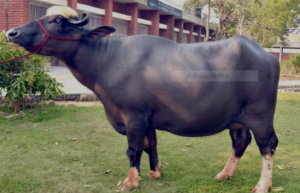
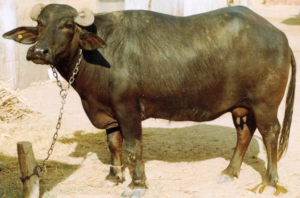
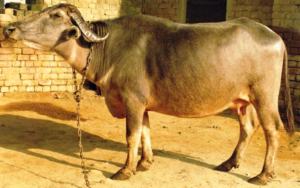
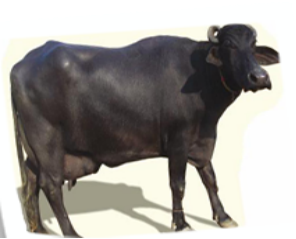
MURRAH BUFFALO – The Pride of India (Black Gold)