

HOLISTIC HEALING FOR COMPANION ANIMALS: THE BENEFITS OF HOMEOPATHY IN PET HEALTH CARE
By: Dr. Vipul Chaturvedi, Consultant Veterinary Doctor, Vetic pet clinic, Anand vihar, New Delhi
Abstract
Homeopathy is alternative medical regime founded on principle of similia similibus curentur, which means like cures like. Nowadays, it has increasingly explored in veterinary medicine not just for the cure but for management of many chronic veterinary diseases. Many general practitioners started using homeopathy in skin and kidney disorders in those clinical cases which having remarked clinical challenges due to their recurrence, chronicity, and impact on quality of life for pets. This article will critically evaluate the role of homeopathy in managing these conditions, while integrating available scientifically proven evidence with classical homeopathic principles. The primary emphasis is placed on the use of homeopathic remedies and their philosophy for managing pet health.
Keywords: Veterinary, Homeopathy, companion animals, alternative medicine, holistic cure
Introduction
In the upgrading world of companion animal medicine, the hunt for safe, minimal invasive, and holistic therapeutic approaches has led to a growing interest in alternative medicine for healing and managing the diseases. Among these, homeopathy has emerged as a system of remedies based on the philosophy of treating the individual as a whole instead of just focusing on the symptoms. The theme “Harmony through Homeopathy: Healing beyond Borders” includes the essence of restoring body physiological balance while exceeding geographical, cultural, and medical boundaries
Pets, being an integral family member and companion of humans, often suffer from chronic diseases such as recurring skin disorders, allergies, ecto-parasite infestation, metabolic disorders, and renal insufficiency. These conditions not only affect their physical health but also compromise their quality of life. Conventional veterinary medicine has effective interventions; however, there are many conditions in which long-term drug use may sometimes lead to adverse effects on vital organs, leading to incomplete resolution and recurrence of the condition. Homeopathy, with its non invasive and gentle approach provides an alternative pathway for managing pet health conditions
In late 18th century, Dr. Samuel Hahnemann (1755-1843) was laid foundation stone of homeopathy. The basic philosophy behind this treatment regime is to use highly diluted substances that aim to stimulate the body’s own mechanism of recuperation. Despite ongoing scientific debates regarding the mechanism of action, pharmacology and pathophysiology, homeopathy is widely practiced in many European, Indian, and parts of South American countries in both human and veterinary medicine. In past, veterinary practitioners like Don Hamilton and Dr. Richard Pitcairn have extensively documented the use of homeopathy in companion animal medicine in their books “Homeopathic Care for Cats and Dogs” and “Guide to Natural Health for Dogs & Cats” respectively [1] [2]. The main emphasis of these books is on chronic disease modulation and achieving a quality life for animals. In 1992, Dr Richard Pitcairn founded “Pitcairn Institute of Veterinary Homeopathy (PIVH)” to produce trained veterinary professionals who have a command of veterinary homeopathy.
This article is just a brief discussion on work done in the field of veterinary homeopathy, ongoing researchers, limitations for routine practice, and future aspirations. Including a few case presentations experienced during the day-to-day clinical practice.
Dermatology & Homeopathy
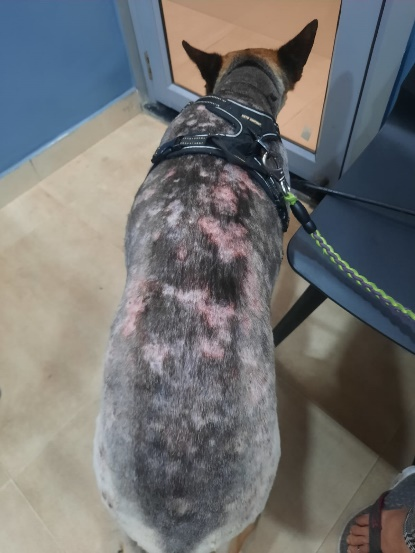
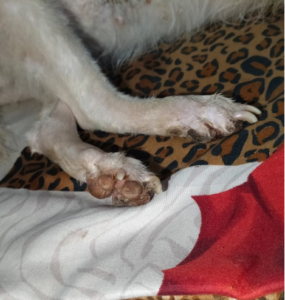
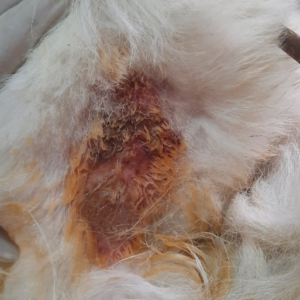
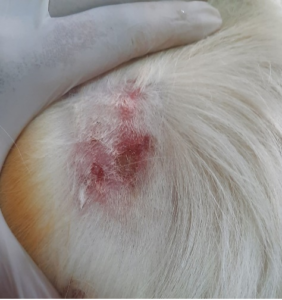
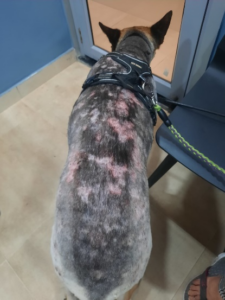
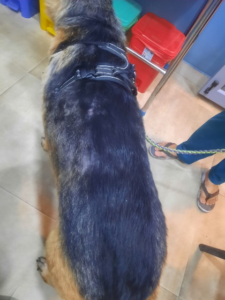
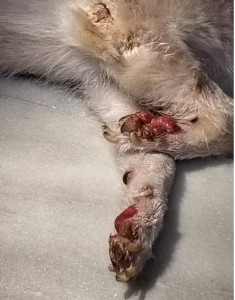
Dermatological conditions including canine atopic dermatitis, flea allergic dermatitis, pyoderma, demodicosis, ear mite infestation, seborrhea having high recurrent rate in companion animals, more or less it revolve around hypersensitivity reactions, microbial infections, immune deregulations, metabolic disorders and parasitic infestation. Thepreventive addition of homeopathic medication reduces incidence of skin lesions and prevents oxidative stress caused by canine atopic dermatitis [3]. A clinical study by Peter Gregory demonstrated improvement in pruritus scores in dogs treated with individualized homeopathy [4]. Additionally, Richard Pitcairn reported successful long-term management of atopic dermatitis using constitutional homeopathic remedies [2]. The multimodal therapeutic approach is focused on, regulation of cytokine expression, neuro-immunological modulation and epigenetic influence on cellular signalling [5]. Advance research in nano-pharmacology suggests that ultra-diluted remedies may contain nanoparticles capable of biological interaction [6].There are some documented medication used based on its effects on particular lesions type, discharge, pruritus pattern, as Sulphur is indicated in pruritic, dry, and (burning) skin conditions. For moist eczema with exudation Graphites is recommended. Rhus toxicodendron used in vesicular eruptions & intense itching cases Mezereum is indicated in crusted lesions with purulent discharge. Natrum muriaticum for chronic dry dermatitis with alopecia. Thuja commonly used for topical lumps and warts treatment. Combination therapy used on 8 year old indian spitzs having severe pododermatitis and erythema (fig. 1 .1), including sulphur 200 at 10 drops thrice daily directly on clean tongue 20 min before food along with an initial antihistaminic for 5 days shown recovery within 7 days after starting the treatment (fig. 1 .2). In another case, a commercial preparation having combination remedies (Sulphur 200, Thuja 30, Graphite 200, Psorinum 200, and Ferrum Phosphoricum 30) in 5 year old Pomeranian having moist eczema (fig. 2 .1)., showing a marked reduction in the lesion (fig. 2 .2). after 15 days of oral administration at 15 drops thrice daily. In 7 year old germen shepard with alopecia and pruritus (fig. 3 .2)., again commercial formulation used along with skin supplementation and topical corticosteroids showed marked reduction in lesion and hair growth after one month of medication (fig. 3 .2).
|
|
 |
|||
| Fig 1.1. Severe podo-dermatitis in 8 year old indian spitzs presented at day one | Fig 1.2. recovery after 7 days of starting the treatment | |||
 |
 |
|||
| Fig 2.1. moist eczema at day one in 5 year old pomeranian | Fig 2.2. reduction in size of lesion at day 15 of treatment | |||
 |
 |
|||
| Fig 3.1. 7 year old germen shepherd having alopecia with pruritus | Fig 3.2. Reduced alopecia after one month of treatment |

Homeopathy in Hepatic Disorders
Hepatic disorder in companion animals goes from acute hepatitis, to colengitis, hepatic lipidosis (especially in cats), and hepatic cirrhosis. These conditions could be life threatened when untreated. Liver disorders can lead to secondary complications like ascites, hypoproteinemia, kidney and heart problems. A case study has shown that the use of Chelidonium majus as a homeopathic remedy acts mainly on the liver and on the gallbladder. His study shows that cats and dogs with liver disfunction with one capsule of Chelidonium majus 30CH was given orally every 7-14 resulted in improvement of the clinical signs (anorexia, vomiting, diarrhea, emaciation) and liver biochemical values in different degrees [7]. Other than that, some common remedies we can use in routine practice are Carduus marianus for Hepatic congestion, Nux vomica for Drug-induced liver stress or drug toxicity and Lycopodium for Chronic hepatic insufficiency. The purpose of prescribing such medication in hepatic disorders is just to achieve detoxification and enhance hepatocyte regeneration. Yet we need more scientific research in this area to understand the proper mechanism of action of these remedies.
Homeopathy in renal insufficiency
The most common kidney disorders encountered in routine practice are Acute Kidney Injury and Chronic Kidney Disorder. In which, CKD is highly prevalent in geriatric dogs and cats. These diseases are characterized by reversible or irreversible nephron distruction, leading to reduced glomerular filtration rate (GFR), accumulation of uremic toxins in circulation, and electrolyte imbalances. The etiological factors include: Glomerulonephritis, tubule interstitial nephritis, Toxic intoxication, and age-related degeneration. Clinical manifestations are polydipsia, polyurea, anemia, azotemia, and metabolic acidosis. In such conditions, the primary goal of homeopathy is to enhance renal perfusion, modulate inflammatory responses, improve metabolic equilibrium, and stimulate endogenous repair mechanisms. There is a documented study on human renal patients that resulted ina a positive response to the use of remedies like Lycopodium clavatum, Apis mellifica, Apocynum cannabinum, Aurum muriticum, Cuprum metalicum, Cantharis, Sarsaparilla, Glonoine, Serum anguillae, Berbaris vulgaris, etc. in the reduction of serum creatinine value in a CKD patient [8]. Similarly, Don Hamilton emphasized that homeopathy may slow progression of chronic renal disease when integrated with dietary and fluid management. Commonly used remedies in renal diseases include Arsenicum album in advanced renal failure with cachexia and restlessness, Apis mellifica in edematous conditions with oliguria, Lycopodium clavatum in chronic renal insufficiency with gastrointestinal involvement, and Berberis vulgari is used for renal colic and urinary sediment. The main aim of giving homeopathy in kidney patient is just to support renal function and increase glomerular filtration rate (GFR).
Homeopathy and common clinical conditions
A detailed controlled clinical research was done in 2010 by Dr. Mathie, Robert T., et al. on 400 cats and 1500 (approx.) dogs affected with chronic conditions includes dermatitis, renal failure, arthritis, hyperthyroidism, pyoderma, colitis, fear, epilepsy, otitis, externa, diarrhoea, urinary incontinence, aggression, spondylosis & lymphoma gave a data based analysis that in how many cases the homeopathic remedies will improve the condition [9]. There are many mentioned remedies which are commonly used in clinical cases are like; Thuja occidentalis for Immune imbalance and vaccine reactions, Silicea for Chronic infections and poor immunity, Calcarea carbonica for Weak constitution, Nux vomica for Indigestion and dietary indiscretion, Arsenicum album for Gastroenteritis with weakness, Podophyllum for Profuse diarrhea, Ignatia for Grief and anxiety, Aconite for Acute fear and Pulsatilla for Separation anxiety. In my clinical practice I have used remedies like Sulphur, Graphites, in 30 to 200H concentration based on condition in case like canine atopic dermatitis, demodecosis, and food allergic dermatitis along with the conventional treatment protocol. I have noticed a marked reduction in recurrence of the symptoms in these case with ongoing homeopathic medication. As the homeopathic medication not have adverse effects on vital organs, the long term administration of these medications is possible. I have also noticed use of Berbaris vulgaris in urolithiasis helped in dissolution of stones and change in urine PH.
Limitations and Challenges
As a general practitioner, we have started using homeopathic remedies in routine clinical cases. There are text’s documented which supports there role of these remedies along with conventional treatment protocols but still we have a long way to go. There are lack of robust RCTs, standardized protocols, controlled clinical trails. The documentations also shows the variability in responses. There are lack of skilled practitioners. And these are not suitable as sole therapy in emergencies. According to World Health Organization, these integration must be evidence-based and safe. The veterinarians must have to ensure proper consent from pet parents prior to include these remedies and should monitor the clinical outcomes objectively with maintaining professional accountability. Must work in direction to standardized treatment guidelines and include this in veterinary curriculum to produced trained veterinary professionals
Conclusion
Homeopathy is a holistic, patient-centred, and non-invasive approach for managing chronic and recurrent diseases in companion animals. Its role in canine and feline dermatology, renal, hepatic, gastric, behavioural, and immune- mediated disorders is remarkable in the direction to achieve quality life, especially in those diseases for which a cure can’t be possible in today’s scenario, but can be managed by these remedies. The philosophy of “Harmony through Homeopathy: Healing Beyond Borders” reflects global shift toward cumulative care, where conventional and alternative medical regimes work synergistically to promote the health and well-being of companion animals. While its scientific validation remains incomplete, clinical observations and emerging research suggest potential benefits in improving the quality of life and reducing disease recurrence. Combining traditional knowledge with modern scientific research will be essential in establishing homeopathy as a credible component of veterinary therapeutics.
References
- Hamilton D. (1999). Homeopathic Care for Cats and Dogs.
- Pitcairn RH & Pitcairn S. (2017). Natural Health for Dogs & Cats.
- Glombowsky, Patricia, et al. “The use of a homeopathic product in dogs reduces the negative effects of canine atopic dermatitis.” Archives of Veterinary Science1 (2022).
- Gregory P. et al. (2006). Homeopathy in canine dermatitis.
- Montagnier L et al. (2011). Electromagnetic signals in dilutions.
- Chikramane, Prashant Satish, et al. “Extreme homeopathic dilutions retain starting materials: A nanoparticulate perspective.” Homeopathy04 (2010): 231-242.WHO Traditional Medicine Strategy.
- Kirkilesi. et al. (2006)“Liver Diseases in Pets and the Homeopathic Remedy Chelidonium Majus” World Small Animal Veterinary Association World Congress Proceedings, 2006
- Rasel, Nur-E-Alam, et al. “Serum Creatinine Can Be Reduced by Applying Homeopathic Medicines According to the Symptom Similarity: Case Study Analysis of Chronic Kidney Disease (CKD)”. Journal of Complementary and Alternative Medical Research, vol. 12, no. 1, Nov. 2020, pp. 1-10, doi:10.9734/jocamr/2020/v12i130196.
- Mathie, Robert T., et al. “Homeopathic prescribing for chronic conditions in feline and canine veterinary practice.” Homeopathy04 (2010): 243-248.