

Poultry Farming: A Profitable and Sustainable Livelihood Opportunity for Rural India
Dr. Sunita Patel
Subject Matter Specialist
Krishi Vigyan Kendra, Bijapur
Introduction
Poultry farming has emerged as one of the fastest growing sectors of animal husbandry in India. Over the last few decades, it has transformed from a traditional backyard activity into a scientifically managed commercial enterprise. Rising population, increasing urbanization, improved purchasing power, and growing awareness regarding nutritional security have significantly increased the demand for eggs and poultry meat. Poultry products are affordable, easily available, and rich sources of high-quality animal protein, vitamins, and minerals.
For small and marginal farmers, landless laborers, rural youth, and women, poultry farming provides an excellent opportunity for income generation. Compared to large ruminant farming, poultry requires less land, lower initial investment, and offers quicker returns. Broiler farming provides marketable birds within 5–6 weeks, while layer farming ensures regular cash flow through daily egg production.
Present Scenario of Poultry Sector in India
India is one of the leading producers of eggs and poultry meat globally. The poultry sector contributes significantly to agricultural GDP and generates employment for millions of people directly and indirectly. The organized sector has adopted improved breeds, balanced feed, vaccination programs, and modern housing systems such as environmentally controlled sheds. Simultaneously, backyard poultry continues to play an important role in rural livelihood and nutritional security.
The sector has shown remarkable resilience even during challenging economic periods due to consistent demand for affordable protein sources.
Types of Poultry Farming Systems
1. Broiler Farming:
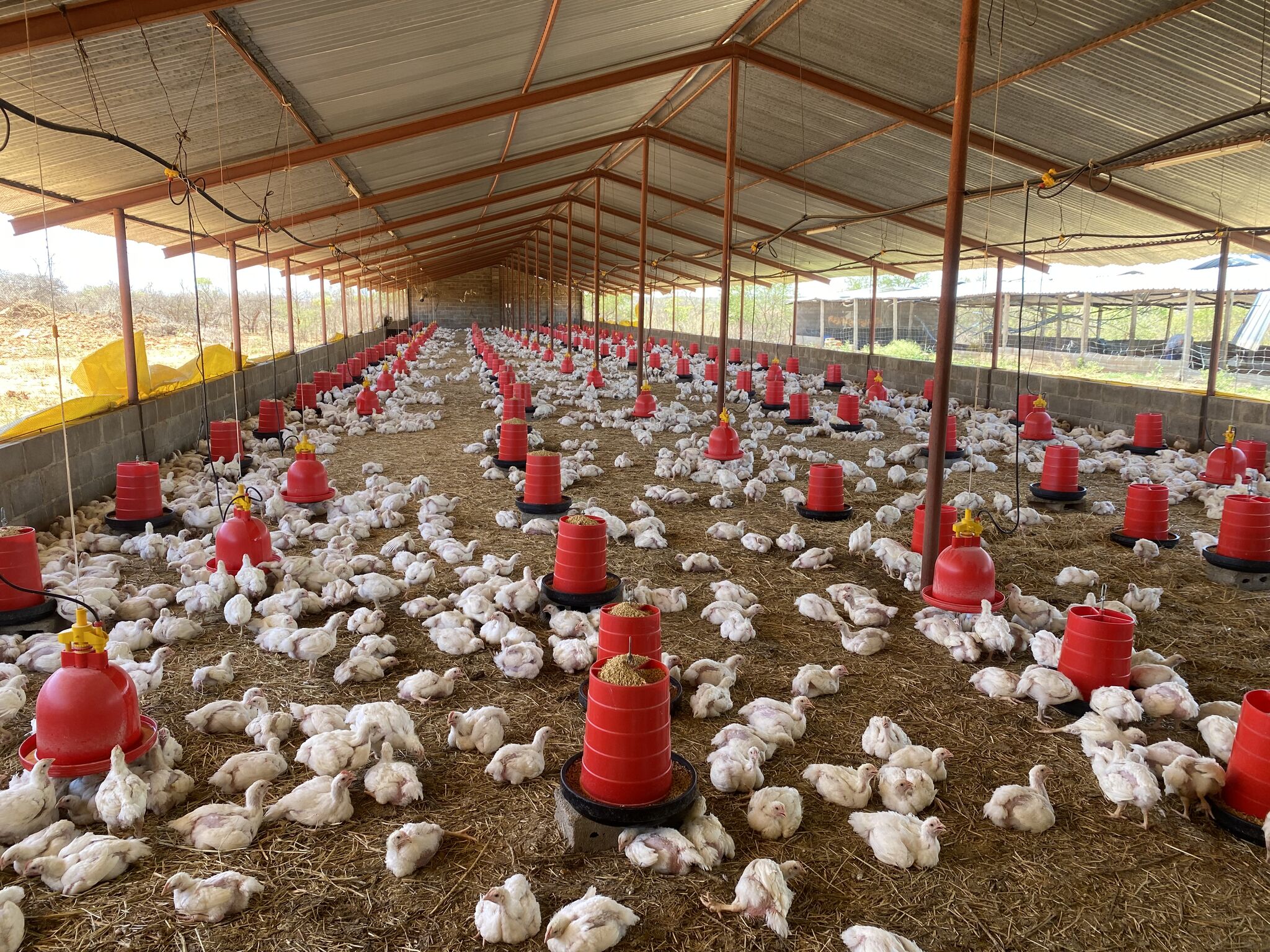
Broilers are reared exclusively for meat production. They grow rapidly and attain a body weight of 2–2.5 kg within 5–6 weeks under proper management. Efficient feed conversion ratio and disease prevention are key to profitability.
2. Layer Farming:
Layers are reared for egg production. They start laying eggs at about 18–20 weeks of age and continue up to 72–80 weeks. Scientific feeding, proper lighting schedule, and disease control help in maintaining high egg production and good shell quality.
3. Backyard Poultry Farming:
Backyard poultry farming is suitable for rural households with limited resources. Improved dual-purpose varieties such as Vanaraja, Gramapriya, and other hardy strains perform well under semi-scavenging systems. These birds are more disease resistant and adaptable to local conditions.
Housing Management
Proper housing is essential for protecting birds from extreme temperatures, rain, wind, and predators. A good poultry house should be well ventilated, dry, and spacious. The east–west orientation of sheds helps reduce direct sunlight exposure. Deep litter system is commonly followed, where litter materials like paddy husk or sawdust are spread 5–7 cm deep.
Overcrowding must be strictly avoided as it leads to stress, feather pecking, cannibalism, and higher disease incidence. Adequate space improves bird welfare and productivity.
Feeding Management
Feed cost constitutes about 65–70 percent of the total cost of production. Therefore, balanced and economical feeding is critical. Poultry feed must contain adequate levels of energy (maize), protein (soybean meal), essential amino acids, vitamins, and minerals.
Broilers require starter, grower, and finisher rations according to age. Layers require chick mash, grower mash, pre-layer feed, and layer mash. Clean and cool drinking water must be available at all times. Nutritional deficiencies can cause poor growth, reduced egg production, thin egg shells, and increased mortality.
Brooding Management
Brooding is the most critical stage in poultry production. Newly hatched chicks are unable to regulate their body temperature properly. Therefore, providing optimum temperature during the first 3–4 weeks is essential. Poor brooding management results in uneven growth and high mortality. Adequate space, proper ventilation, and good quality starter feed are necessary during this phase.
Health Care and Vaccination
Disease outbreaks can cause heavy economic losses. Preventive health care is more economical than treatment. Major poultry diseases include Newcastle disease (Ranikhet), Infectious Bursal Disease (IBD), Marek’s disease, Fowl pox, and coccidiosis. A proper vaccination schedule must be strictly followed.
Biosecurity measures such as restricting visitors, installing footbaths, disinfecting equipment, isolating sick birds, and proper disposal of dead birds are essential to prevent disease entry and spread.
Litter Management
Wet litter promotes ammonia production, respiratory problems, and coccidiosis. Regular stirring of litter, maintaining dryness, and proper ventilation are important. Lime application helps in reducing moisture and bacterial load.
Economic Importance
Poultry farming provides quick returns on investment. Broiler farming offers rapid turnover, while layer farming provides continuous income through egg sales. Poultry birds have better feed conversion efficiency compared to many other livestock species.
Profitability depends on feed cost, chick quality, mortality rate, market price, and management efficiency. Farmers should maintain records of expenses, mortality, feed consumption, and production to evaluate performance.
Marketing and Value Addition
Proper marketing strategy enhances profitability. Eggs and broilers can be sold through local markets, retailers, hotels, and cooperative networks. Value addition through graded eggs, branded packaging, dressed chicken, and processed products increases consumer preference and income.
Role of Women and Youth
Poultry farming is especially suitable for women and rural youth because it can be managed alongside other household activities. Self-help groups and farmer producer organizations can adopt poultry farming collectively to improve bargaining power and income stability.
Government Support and Training
Government agencies and financial institutions provide subsidies, credit facilities, and training programs for promoting poultry farming. Extension services and Krishi Vigyan Kendras play an important role in capacity building, demonstration, and technical guidance.
Challenges in Poultry Farming
Despite its potential, poultry farming faces challenges such as disease outbreaks, rising feed prices, climate stress, and market fluctuations. Adoption of scientific practices, insurance coverage, and proper planning can minimize risks.
Conclusion
Poultry farming has tremendous potential to improve rural livelihoods, nutritional security, and economic empowerment. With scientific housing, balanced feeding, strict biosecurity, and effective marketing, poultry farming can become a highly profitable enterprise.
Encouraging rural youth and women to adopt poultry farming as an entrepreneurial activity can significantly strengthen the rural economy. With proper technical guidance and institutional support, poultry farming can serve as a sustainable pathway toward prosperity and self-reliance.