

ROLE OF ANIONIC MINERAL MIXTURES IN ENHANCING REPRODUCTIVE PERFORMANCE AND PRODUCTIVITY IN DAIRY ANIMALS
Shubham Nayak1, Ankita2, Abha3, Pallavi Maurya4, Manisha Choudhary5, Ratan Gupta6 and Rahul Tiwari7
1Ph.D. Scholar, Animal Reproduction, Gynaecology and Obstetrics, ICAR-National Dairy Research Institute (NDRI), Karnal-132001, Haryana, India
2Scientist, Animal Nutrition Division, ICAR-National Dairy Research Institute (NDRI), Karnal-132001, Haryana, India
3Ph.D. Scholar, Animal Physiology Division, ICAR-National Dairy Research Institute (NDRI), Karnal-132001, Haryana, India
4Ph.D. Scholar, Animal Nutrition Division, ICAR-National Dairy Research Institute (NDRI), Karnal-132001, Haryana, India
5Ph.D. Scholar, Animal Physiology Division, ICAR-National Dairy Research Institute (NDRI), Karnal-132001, Haryana, India
6M.V.Sc., Veterinary Gynaecology & Obstetrics, Sardar Vallabh Bhai Patel University of Agriculture & Technology, Meerut-250110, Uttar Pradesh, India
7Ph.D. Scholar, Animal Nutrition Division, ICAR-National Dairy Research Institute (NDRI), Karnal-132001, Haryana, India
Corresponding Author: Dr. Shubham Nayak
Corresponding author e-mail: nayakshubham962@gmail.com
ABSTRACT
The transition period in dairy animals, spanning three weeks before to three weeks after parturition, is characterized by profound physiological, metabolic, and endocrine alterations that increase susceptibility to metabolic and reproductive disorders. A sudden rise in calcium demand for colostrum and milk synthesis, coupled with reduced feed intake and negative energy balance, predisposes animals to hypocalcaemia (milk fever), one of the most economically significant transition disorders. Both clinical and subclinical hypocalcaemia adversely affect immune function, productivity, reproductive efficiency, and increase the risk of retained placenta, ketosis, metritis, mastitis, and postpartum anoestrus. Among preventive nutritional strategies, manipulation of the Dietary Cation–Anion Difference (DCAD) through supplementation of anionic mineral mixtures has gained considerable importance. Feeding negative DCAD diets during the prepartum period induces mild metabolic acidosis, enhances tissue responsiveness to parathyroid hormone, improves calcium mobilization and intestinal absorption, and thereby maintains calcium homeostasis during early lactation. Common anionic salts, including calcium chloride, magnesium sulphate, ammonium chloride, and calcium sulphate, effectively reduce the incidence of milk fever and associated transition disorders. By improving transition health and minimizing metabolic stress, anionic mineral mixtures contribute significantly to enhanced reproductive performance, productivity, and overall dairy herd profitability.
Keywords: Anionic mineral mixtures, Calcium homeostasis, DCAD, Hypocalcaemia, Transition period
INTRODUCTION
The transition period in dairy cows, extending from three weeks before calving to three weeks after calving, is considered the most critical and stressful stage of the lactation cycle because cows undergo rapid physiological, metabolic, and hormonal changes during this time (Sundrum, 2015). During this time, substantial physiological and metabolic adjustments occur to support the onset of colostrum and milk production, leading to a sharp increase in calcium (Ca) requirement. Also, nutrient requirements increase rapidly due to fetal growth, colostrum formation, and onset of lactation, whereas feed intake decreases significantly. There is increased mobilization of body fat reserves leading to elevated non-esterified fatty acids (NEFA) and ketone bodies in blood (Grummer, 1995). Calcium demand rises sharply at parturition because of colostrum and milk synthesis. Endocrine changes involving insulin, cortisol, parathyroid hormone, oestrogen, and progesterone also occur (Drackley, 2004). Rumen microbial adaptation, immune suppression, oxidative stress, and negative energy balance are commonly observed. All these imbalances predispose animals to several transition period disorders such as milk fever, ketosis, retained placenta, displaced abomasum, metritis, mastitis, and postpartum anoestrus (Goff and Horst, 1997).
Milk fever
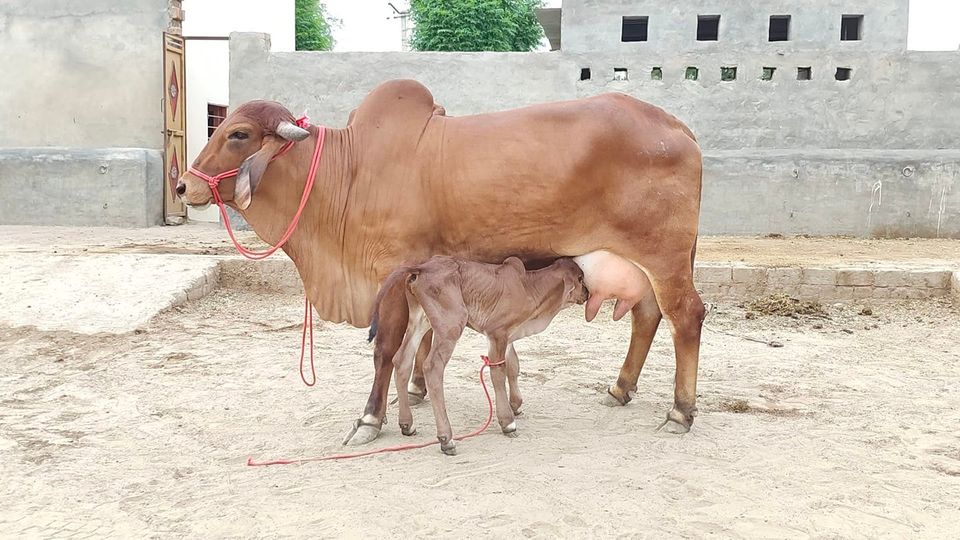
Milk fever, also known as hypocalcaemia or parturient paresis, is a major metabolic disorder of dairy animals occurring during transition period, predominantly within 24–72 hours postpartum, particularly in high-yielding cows and buffaloes. It is characterized by acute reduction in blood calcium concentration due to the sudden calcium demand for colostrum and milk synthesis after calving. Clinically, affected animals exhibit muscle weakness, anorexia, cold extremities, recumbency, and, in severe cases, coma and death. The disease significantly compromises milk production, reproductive efficiency, animal welfare, and farm profitability (Murikipudi et al., 2024).
Etiology and Pathogenesis
Milk fever results from the inability of calcium homeostatic mechanisms to rapidly compensate for the marked calcium outflow into colostrum and milk immediately after parturition (Goff, 2008). Calcium regulation is primarily mediated by:
- Parathyroid hormone (PTH)
- Vitamin D₃ metabolites
- Calcitonin
Declining blood calcium stimulates PTH secretion, which enhances:
- Bone calcium mobilization
- Renal calcium conservation
- Activation of vitamin D₃ to increase intestinal calcium absorption
However, these compensatory responses are delayed, with intestinal absorption requiring ~24 hours and bone resorption up to 48 hours, predisposing animals to acute hypocalcaemia. The condition is exacerbated by reduced prepartum feed intake, excessive calcium and potassium intake during the dry period, high colostral calcium loss, and diminished tissue responsiveness to PTH in older animals.
Stages of milk fever: clinical and sub-clinical stage
| Parameter | Clinical | Subclinical |
| Serum Ca | <5 mg/dL | 5–8 mg/dL |
| Clinical Signs | Present | Absent |
| Economic Loss | Moderate | High due to prevalence |
| Diagnosis | Easy | Difficult |
Subclinical Milk Fever:
It is characterized by subclinical hypocalcaemia, resulting in reduced blood calcium without overt clinical signs, is economically more significant than clinical disease due to its higher prevalence. It impairs immune and muscular function, predisposing animals to disorders such as:
- Mastitis
- Retained placenta
- Ketosis
- Metritis
- Displaced abomasum
Thus, effective transition-period nutrition and calcium management remain critical for prevention and herd productivity.
Economic Impact on Dairy Farming
Milk fever causes substantial economic losses in the dairy industry. The disease lowers milk yield, delays reproductive recovery, and increases veterinary treatment costs. Affected animals often require intensive management and supportive therapy, which increases labour expenses.
Moreover, milk fever indirectly contributes to reduced farm profitability by increasing the incidence of reproductive disorders and infectious diseases. Researchers have reported that hypocalcaemia cows are at greater risk of developing retained placenta and uterine infections, which prolong calving intervals and reduce fertility (Lean et al., 2006). Losses also arise due to premature culling and mortality in severe untreated cases.
Prevention Strategies for milk fever
Prevention of milk fever mainly depends on proper nutritional and management practices during the transition period.
Low-Calcium Diet Before Calving
Feeding low-calcium diets during late gestation stimulates parathyroid hormone activity and prepares the body for efficient calcium mobilization after calving. Based on these experimental observations, it was routinely recommended that dietary Ca be kept as low as possible in the prepartum diet. Although dietary Ca generally could be limited only to about 50 g/d, this dietary manipulation was often a successful means of preventing milk fever (Boda and Cole, 1954; Jorgensen, 1974).
- Use of Vitamin D and vitamin D metabolites
One of these analogues, 24-F-1,25- dihydroxy vitamin D3 [24-F-1,25(OH)2D3], surfaced as a potential alternative for use in milk fever prevention (Goff et al., 1988).
- Use of Parathyroid hormones
Goff et al. (1989) re-evaluated the use of PTH for milk fever prevention and found that milk fever and subclinical hypocalcaemia could be prevented with PTH infusions or injections.
- Removing dietary cations
Rominger et al. (1974) reported that stem tops contained up to 6% K compared with 2% in bottom stems and leaves. The ratio of leaf to stem decreases from about 1.5 in pre-bud alfalfa to 0.5 in alfalfa at early bloom (Albrecht et al., 1987). Feeding with stem tops helps to remove dietary cations.
- Use of Anionic Salts
Anionic mineral mixtures are widely used to reduce the Dietary Cation-Anion Difference (DCAD), creating mild metabolic acidosis that improves tissue response to parathyroid hormone and enhances calcium availability. Researchers suggest that a CAD of –50 meq/kg of diet to –100 meq/kg of diet is optimal for the prevention of milk fever (Horst et al., 1997).
DCAD: The Smart Nutritional Tool Protecting Dairy Cows During Transition
Modern nutritional management strategies such as Dietary Cation–Anion Difference (DCAD) feeding have proven highly effective in preventing milk fever and improving transition cow health. DCAD refers to the balance between positively charged ions (cations) like sodium and potassium and negatively charged ions (anions) such as chloride and sulphur in the diet (Mongin, 1981).
Mechanism of DCAD
The mechanism of Dietary Cation–Anion Difference (DCAD) is mainly based on the regulation of acid–base balance, calcium metabolism, and rumen function in dairy cattle. DCAD plays a crucial role during the transition period, especially one month before parturition and during early lactation.
A negative DCAD diet is fed during the prepartum period to induce mild metabolic acidosis and improve calcium mobilization. Negative DCAD diets also decrease blood and urine pH, indicating effective metabolic acidification.
The DCAD equation (measured in mEq/kg of dry matter) is:
DCAD = ([Na+] + [K+]) – ([Cl-] + [S2-])
When dietary anions exceed cations, DCAD becomes negative.
Feeding a negative DCAD diet before calving induces mild metabolic acidosis, which improves tissue responsiveness to parathyroid hormone and enhances calcium mobilization from bones (Block, 1984).
Anionic salts including calcium chloride, magnesium sulphate, ammonium chloride, and calcium sulphate are commonly added to prepartum diets to lower DCAD. These salts help activate vitamin D metabolism, improve intestinal calcium absorption, and maintain blood calcium concentration after calving (Fredeen et al., 1988). As a result, the incidence of milk fever and related disorders decreases significantly.
Feeding of Anionic Salts
(CaCl₂, MgSO₄, NH₄Cl, CaSO₄)
↓
Reduction in Dietary Cation–Anion Difference (DCAD)
↓
Induction of Mild Metabolic Acidosis
↓ Blood pH and ↓ Urine pH
↓
Increased Tissue Sensitivity to Parathyroid Hormone (PTH)
↓
↑ Bone Calcium Mobilization
↑ Activation of Vitamin D₃
↑ Intestinal Calcium Absorption
↓
Increase in Blood Calcium Concentration
↓
Prevention of Hypocalcaemia (Milk Fever)
↓
Reduced Incidence of:
- Retained Placenta
- Ketosis
- Metritis
- Displaced Abomasum
- Poor Reproductive Performance
Transition period effect and role of DCAD on reproductive performance and fertility
Transition period disorders also negatively affect reproductive performance. Negative energy balance, hypocalcaemia, ketosis, and uterine infections suppress the secretion of reproductive hormones such as GnRH and LH, leading to delayed estrus, silent heat, poor conception rate, and postpartum anoestrus (Lucy, 2001; Butler and Smith, 1989). Furthermore, dairy cows undergo a pronounced negative energy balance during early lactation, primarily due to the elevated nutritional demands for milk synthesis and body maintenance surpassing dry matter intake (VandeHaar et al., 2026). Consequently, blood concentrations of non-esterified fatty acids (NEFA), β-hydroxybutyric acid (BHBA), urea, and ketone bodies become elevated (Sinclair et al., 2000; Benedet et al., 2019). These metabolic alterations may predispose cows to subclinical ketosis, a condition reported to affect approximately 24.3% of dairy cows globally (Loiklung et al., 2022). Notably, such metabolic changes are reflected not only in the bloodstream but also within the follicular fluid of dominant follicles. As a result of negative energy balance, the oocyte encounters elevated concentrations of NEFA during the late phases of maturation (Leroy et al., 2005). Saturated NEFA have been reported to exert detrimental effects on oocyte health (Aardema et al., 2011); however, cumulus cells may partially alleviate this toxicity (Aardema et al., 2017). Increased levels of NEFA have been demonstrated to impair oocyte developmental competence and adversely influence embryo quality, survival, and metabolic activity (Van Hoeck et al., 2011). Developing and implementing well-balanced prepartum feeding strategies that restrict energy intake according to physiological requirements while ensuring adequate provision of essential nutrients can help reduce the severity of negative energy balance (NEB) following calving. Such nutritional interventions generally exert beneficial effects on metabolic health indicators, thereby potentially minimizing the adverse impact of periparturient disorders on reproductive efficiency. Feeding a properly acidified negative dietary cation–anion difference (DCAD) diet during the prepartum period, along with suitable calcium concentrations (2.0% of DM), has been associated with enhanced reproductive performance in dairy cows. Additionally, supplementation with rumen-protected methionine (RPM) and rumen-protected lysine has shown positive effects on both health status and reproductive outcomes. In particular, methionine supplementation appears to influence the preimplantation embryo in a manner that may improve its survival potential. Therefore, proper nutritional and mineral management during the transition period improves both productivity and fertility (Cardoso et al., 2020).
Monitoring of DCAD Feeding
Urine pH is commonly used to monitor the effectiveness of negative DCAD diets during the prepartum period. Optimal urine pH ranges are often targeted between 6.0 and 6.8 with anionic supplementation (-100 to -150 mEq/Kg). Urine pH is frequently checked 3 to 4 hours post-feeding. A pH dropping into this range indicates that the Dietary Cation-Anion Difference (DCAD) is balanced. Excessive acidification may reduce feed intake and induce severe metabolic acidosis.
Brands and Trade Names of Anionic Mineral Mixtures available in the market
Several commercial anionic mineral mixtures are now widely used in dairy farms. Anionic mineral mixtures are commonly formulated to maintain a negative DCAD during the close-up dry period. These supplements help prevent milk fever and improve calcium metabolism.
NutriCABTM Dry, DCAD Minus Anionic Mineral Supplement
| Company | Trade Name / Product |
| Kemin Industries | Animate |
| Balchem Corporation | BioChlor |
| Bovikalc | X-Zelit |
| TechMix | Acid Buf |
| Virbac | Calboost Anionic |
| Ayurvet | AyuCal-P |
| Intas Pharmaceuticals | Intacal Dry Cow |
Common Composition
- Calcium chloride
- Ammonium chloride
- Magnesium sulfate
- Calcium sulfate
- Magnesium chloride
- Vitamin D3
- Trace minerals (Zn, Cu, Mn, Se)
Feeding recommendations of Anionic mineral mixtures
- Cow and Buffalo: 100-200 gm/animal daily for 3 weeks before parturition.
- Anionic mineral mixtures consisting of calcium chloride 33.4%, magnesium chloride 33.3%, sodium chloride 18.3%, magnesium sulphate 8.3%, and calcium hydrogen phosphate 6.7% can be given to the cow @ 90 g/day for three weeks prepartum (ICAR, 2013).
CONCLUSION
The transition period is a highly challenging phase in dairy animals due to extensive physiological and metabolic changes. Disorders such as milk fever and negative energy balance adversely affect animal health, productivity, and reproductive performance. Dietary Cation–Anion Balance plays a crucial role in maintaining acid–base balance and calcium homeostasis during this period. Feeding negative DCAD diets before calving effectively prevents hypocalcaemia and associated disorders. The use of anionic mineral mixtures has emerged as an effective nutritional strategy for enhancing reproductive performance, transition health, and overall livestock productivity.
References
Aardema, H., Van, Tol, HTA., Wubbolts, R.W., Brouwers, JFHM., Gadella, B.M., Roelen, BAJ. (2017). Stearoyl-Coa desaturase activity in bovine cumulus cells protects the oocyte against saturated fatty acid stress. Biology of Reproduction. 96, 982–92. doi: 10.1095/ biolreprod.116.146159
Aardema, H., Vos, PLAM., Lolicato, F., Roelen, BAJ., Knijn, H.M., Vaandrager, A.B., et al. (2011). Oleic acid prevents detrimental effects of saturated fatty acids on bovine oocyte developmental Competence1. Biology of Reproduction. 85, 62–9. doi: 10.1095/ biolreprod.110.088815
Albrecht, K. A., W. F. Wedin, and D. R. Buxton. 1987. Cell-wall composition and digestibility of alfalfa stems and leaves. Crop Sci. 27:735.
Benedet, A., Manuelian, C.L., Zidi, A., Penasa, M., De Marchi, M. (2019). Invited review: BetaHydroxybutyrate concentration in blood and Milk and its associations with cow performance. Animal. 13, 1676–89. doi: 10.1017/S175173111900034X
Block, E. (1984). Manipulating dietary anions and cations for prepartum dairy cows to reduce incidence of milk fever. Journal of dairy science, 67(12), 2939-2948.
Boda, J. M., & H. H. Cole. 1954. The influence of dietary calcium and phosphorus on the incidence of milk fever in dairy cattle. J. Dairy Sci. 37:360.
Butler, W. R., & Smith, R. D. (1989). Interrelationships between energy balance and postpartum reproductive function in dairy cattle. Journal of dairy science, 72(3), 767-783.
Cardoso, F. C., Kalscheur, K. F., & Drackley, J. K. (2020). Symposium review: Nutrition strategies for improved health, production, and fertility during the transition period. Journal of Dairy Science, 103(6), 5684-5693.
Constable, P. D., Hinchcliff, K. W., Done, S. H., & Grünberg, W. (2016). Veterinary medicine: a textbook of the diseases of cattle, horses, sheep, pigs and goats. Elsevier Health Sciences.
Drackley, J. K. (2004). Physiological adaptations in transition dairy cows.
Fredeen, A. H., DePeters, E. J., & Baldwin, R. L. (1988). Characterization of Acid-Base Disturbances and Effects on. J. Anim. Sci, 66, 159-173.
Goff, J. P. (2008). The monitoring, prevention, and treatment of milk fever and subclinical hypocalcemia in dairy cows. The veterinary journal, 176(1), 50-57.
Goff, J. P., & Horst, R. L. (1997). Physiological changes at parturition and their relationship to metabolic disorders. Journal of dairy science, 80(7), 1260-1268.
Grummer, R. R. (1995). Impact of changes in organic nutrient metabolism on feeding the transition dairy cow. Journal of animal science, 73(9), 2820-2833.
Horst, R. L., Goff, J. P., Reinhardt, T. A., & Buxton, D. R. (1997). Strategies for preventing milk fever in dairy cattle. Journal of dairy science, 80(7), 1269-1280.
Jorgensen, N. A. (1974). Combating milk fever. Journal of dairy science, 57(8), 933-944.
Leroy, J.L., Vanholder, T., Mateusen, B., Christophe, A., Opsomer, G., de Kruif, A., et al. (2005). Non-esterified fatty acids in follicular fluid of dairy cows and their effect on developmental capacity of bovine oocytes in vitro. Reproduction. 130, 485–95. doi: 10.1530/rep.1.00735
Loiklung, C., Sukon, P., Thamrongyoswittayakul, C. (2022). Global prevalence of subclinical ketosis in dairy cows: a systematic review and Meta-analysis. Res Vet Sci. 144, 66–76. doi: 10.1016/j.rvsc.2022.01.003
Lucy, M. C. (2001). Reproductive loss in high-producing dairy cattle: where will it end?. Journal of dairy science, 84(6), 1277-1293.
Mongin, P. (1981). Recent advances in dietary anion-cation balance: applications in poultry. Proceedings of the Nutrition Society, 40(3), 285-294.
Murikipudi, N. S., Injarapu, V. S. K., Kamineni, S., & Kumar, R. (2024). Parturient Paresis (Milk Fever). Periparturient Diseases of Cattle, 67-76.
Oetzel, G. R. (1993). Use of anionic salts for prevention of milk fever in dairy cattle.
Roche, J. R., Dalley, D., Moate, P., Grainger, C., Rath, M., & O’mara, F. (2003). Dietary cation-anion difference and the health and production of pasture-fed dairy cows 2. Nonlactating periparturient cows. Journal of Dairy Science, 86(3), 979-987.
Roche, J. R., Petch, S., & Kay, J. K. (2005). Manipulating the dietary cation-anion difference via drenching to early-lactation dairy cows grazing pasture. Journal of dairy science, 88(1), 264-276.
Rominger, R. S., D. Smith, and L. A. Peterson. 1975. Yield and elemental composition of alfalfa plant parts at late bud under two fertility levels. Can. J. Plant Sci. 55:69.
Sinclair, K.D., Sinclair, L.A., Robinson, J.J. (2000). Nitrogen metabolism and fertility in cattle: I. Adaptive changes in intake and metabolism to diets differing in their rate of energy and nitrogen release in the rumen. J Anim Sci. 78, 2659–69. doi: 10.2527/2000.78102659x
Sundrum, A. (2015). Metabolic disorders in the transition period indicate that the dairy cows’ ability to adapt is overstressed. Animals, 5(4), 978-1020.
VandeHaar, M.J., Armentano, L.E., Weigel, K., Spurlock, D.M., Tempelman, R.J., Veerkamp, R. (2016). Harnessing the genetics of the modern dairy cow to continue improvements in feed efficiency. Journal of Dairy Science. 99,4941–54. doi: 10.3168/jds.2015-10352
Van Hoeck, V., Sturmey, R.G., Bermejo-Alvarez, P., Rizos, D., Gutierrez-Adan, A., Leese, H.J., et al. (2011). Elevated non-esterified fatty acid concentrations during bovine oocyte maturation compromise early embryo physiology. PLoS One. 6, e23183. doi: 10.1371/journal.pone.0023183