

Sustainability in dairy systems and the expanding role of veterinarians
Palkhi Sharma (M.V.Sc, Veterinary Surgery and Radiology)
Abstract
India’s dairy sector is one of the largest contributors to rural livelihood, nutritional security, and agricultural development. However, increasing environmental concerns, climate change, antimicrobial resistance, emerging diseases, and declining attention to animal welfare have raised serious questions regarding the long-term sustainability of dairy farming systems. Indian field conditions, particularly among smallholder dairy farmers, present additional challenges such as heat stress, poor access to veterinary care, imbalanced feeding practices, limited scientific awareness, and economic constraints. In this context, veterinarians play a crucial role not only as healthcare professionals but also as educators, extension workers, sustainability advisors, and advocates of animal welfare. Through preventive healthcare, disease control, nutritional management, farmer education, climate adaptation strategies, and promotion of scientific dairy practices, veterinarians contribute significantly toward building resilient and sustainable dairy systems. This article discusses the practical and field-oriented role of veterinarians in promoting sustainable dairy farming in India while highlighting the need for climate-smart, economically viable, and ethically responsible dairy development.
Keywords: Sustainable dairy farming, veterinarians, climate-smart livestock, animal welfare, One Health, dairy sustainability, antimicrobial resistance, rural dairy systems, preventive healthcare, dairy management
Introduction
The dairy sector is a pivotal component of the Indian economy, directly supporting the livelihoods of more than 8 crore families, a majority of whom belong to rural households. Women constitute nearly 71% of the workforce engaged in dairy-related activities, highlighting the sector’s immense contribution to rural employment and women empowerment. India has emerged as the world’s largest milk producer, contributing approximately 22% of global milk production. With an annual growth rate of nearly 5.7%, the dairy industry continues to play a crucial role in employment generation, nutritional security, and economic development, contributing nearly 5% to the national Gross Domestic Product (GDP). The success of India’s White Revolution, led by visionary leaders such as Dr. Verghese Kurien, transformed the dairy sector into one of the most successful rural development models globally.
Despite its remarkable growth, the dairy sector today faces numerous challenges that threaten its long-term sustainability. Climate change, environmental degradation, antimicrobial resistance, emerging infectious diseases, rising production costs, shrinking fodder resources, and declining attention to animal welfare have created serious concerns for the future of dairy farming. The increasing demand for higher productivity has, in many instances, resulted in intensive production practices that compromise animal welfare and place additional stress on already limited natural resources. Simultaneously, the irrational use of antibiotics in livestock production has contributed to the growing global challenge of antimicrobial resistance, posing risks not only to animal health but also to human health and environmental safety under the broader framework of One Health.
Indian field conditions present additional practical difficulties. Dairy farming in many regions continues to operate under extreme climatic conditions, limited access to scientific management practices, inadequate veterinary infrastructure, dependence on traditional yet unverified practices, and financial constraints. In several villages across India, dairy farming is primarily carried out by small and marginal farmers possessing one or two dairy animals alongside large-scale commercial dairy farms. These smallholder farmers are particularly vulnerable to sustainability-related challenges due to irregular income, limited technical awareness, poor access to professional veterinary services, and the high cost of diagnosis and treatment.
Field observations frequently reveal problems such as heat stress during summer months, nutritional deficiencies due to imbalanced feeding practices, poor housing conditions, delayed disease diagnosis, and inconsistent milk productivity. Crossbred cattle maintained under inadequate ventilation and water scarcity often exhibit reduced feed intake, fertility disturbances, and lower milk yield during periods of high environmental temperature. Additionally, lack of awareness regarding scientific feeding, preventive healthcare, and hygienic dairy management further aggravates production losses and disease susceptibility in rural dairy systems.
Under such circumstances, sustainability cannot remain merely a theoretical concept but must become a practical, field-oriented approach adapted to the realities of Indian dairy farming. Sustainable dairy practices may range from low-cost interventions at the household level, such as efficient manure utilization and balanced feeding, to stricter environmental regulations and waste management systems for large-scale dairy enterprises. The ultimate goal should be to achieve a balance between productivity, animal welfare, economic profitability, and environmental protection without compromising the future resilience of the dairy sector.
In this transformation toward sustainable dairy development, veterinarians emerge as key stakeholders. Their role extends far beyond disease treatment and includes preventive healthcare, disease surveillance, farmer education, nutritional management, antimicrobial stewardship, climate adaptation, and promotion of animal welfare. Veterinarians today must function not only as animal health professionals but also as educators, extension workers, scientific advisors, and advocates of sustainable livestock systems. Through scientifically sound interventions and close interaction with dairy farmers, veterinarians play a crucial role in building climate-resilient, economically viable, and ethically responsible dairy production systems for the future of India.
Sustainable Dairy Farming: A Field Perspective
Sustainability in dairy farming is often discussed in terms of environmental protection and productivity, but at the field level, sustainability has a much more practical meaning. For a small dairy farmer in a village, sustainability may simply mean ensuring that the animals remain healthy throughout the year, milk production remains consistent, veterinary expenses remain manageable, and sufficient fodder and water are available during difficult seasons.
In many rural regions, dairy animals are maintained under low-input systems where farmers depend heavily on seasonal fodder availability and local resources. During summer months, veterinarians commonly observe dairy cattle suffering from heat stress due to inadequate shade, overcrowded housing, and insufficient drinking water. Animals often show excessive panting, decreased appetite, reduced milk yield, and poor reproductive performance. In monsoon seasons, poorly drained sheds contribute to mastitis, hoof problems, and parasitic infestations. Such field conditions directly affect both animal welfare and farmer income.
Another major concern is the continued dependence on unscientific management practices. Many farmers still rely on traditional remedies and informal treatment methods without proper veterinary consultation. Indiscriminate use of antibiotics, delayed disease reporting, and improper feeding practices are frequently observed in rural dairy systems. Nutritional deficiencies due to imbalanced feeding, especially mineral deficiencies, often contribute to infertility, weak calves, and low productivity.
Therefore, sustainability in Indian dairy farming must focus not only on advanced technologies but also on affordable and practical interventions suitable for field conditions. Veterinarians play a critical role in bridging this gap between scientific knowledge and on-ground implementation.
Preventive Healthcare and Disease Control
Preventive healthcare remains one of the most effective tools for achieving sustainability in dairy farming. Disease outbreaks result in economic losses, decreased milk production, increased treatment costs, and unnecessary use of medications. In rural dairy farms, veterinarians frequently encounter preventable diseases that arise due to poor hygiene, lack of vaccination, and delayed diagnosis.
Vaccination programs against diseases such as Foot and Mouth Disease (FMD), Hemorrhagic Septicemia, and Brucellosis significantly reduce disease burden and improve productivity. Regular deworming, proper sanitation, and biosecurity measures further help in maintaining herd health. Farmers who adopt preventive healthcare practices often experience reduced mortality, improved milk production, and lower veterinary expenses.
Mastitis continues to be one of the most common diseases affecting dairy cattle under field conditions. In many villages, improper milking hygiene, wet bedding, and lack of udder care contribute to recurring mastitis cases. Veterinarians play a vital role in educating farmers regarding clean milk production, teat dipping, proper milking techniques, and early disease detection.
The importance of preventive healthcare becomes even greater in smallholder systems where the illness of a single animal can significantly affect the economic stability of an entire household.
Nutritional Management and Climate-Smart Feeding
Proper nutrition is essential for sustainable milk production. However, field observations indicate that many small dairy farmers continue to feed animals based on availability rather than nutritional requirements. Crop residues, poor-quality fodder, and imbalanced concentrate feeding are commonly observed, leading to reduced productivity and metabolic disorders.
Veterinarians guide farmers regarding balanced ration formulation, mineral supplementation, silage preparation, and efficient fodder utilization. Awareness regarding low-cost nutritional interventions can substantially improve milk yield and reproductive performance.
Climate change has further intensified fodder scarcity and water shortages in many parts of India. Drought conditions reduce green fodder availability, forcing farmers to depend on nutritionally poor feed resources. Veterinarians therefore play an important role in promoting drought-resistant fodder crops, silage conservation, and efficient feeding systems.
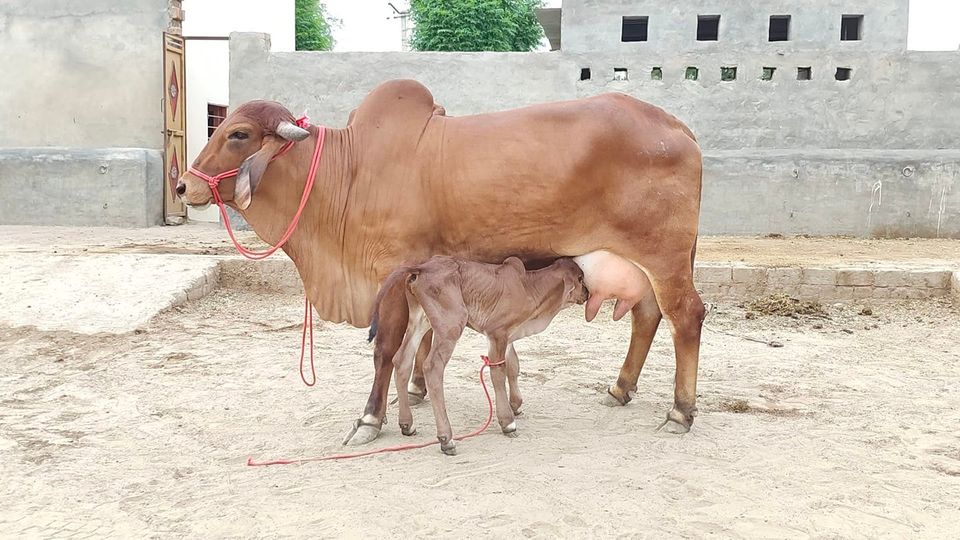
Indigenous breeds such as Gir cattle and Sahiwal cattle also demonstrate better adaptability to harsh climatic conditions and low-input management systems. Promoting such breeds can contribute significantly toward climate-resilient dairy farming.
Antimicrobial Resistance and One Health
One of the major emerging concerns in the dairy sector is antimicrobial resistance (AMR). Under field conditions, antibiotics are often administered without proper diagnosis or veterinary supervision. In several peri-urban and rural dairy systems, antibiotics may be used indiscriminately for mastitis, fever, and other common illnesses, sometimes without completing withdrawal periods.
Such practices not only contribute to antimicrobial resistance but also lead to antibiotic residues in milk, posing risks to public health. Veterinarians play a crucial role in creating awareness regarding rational antibiotic use, proper dosage, withdrawal periods, and preventive healthcare measures.
The issue of AMR highlights the importance of the One Health approach, where animal health, human health, and environmental health are interconnected. Sustainable dairy farming must therefore prioritize responsible medicine use, disease prevention, and food safety.
Animal Welfare and Ethical Dairy Practices
Animal welfare is an essential pillar of sustainable dairy farming. Healthy and stress-free animals are naturally more productive and disease resistant. However, under field conditions, poor housing, overcrowding, tethering, inadequate ventilation, and improper handling practices continue to compromise animal welfare.
Veterinarians frequently observe cases of lameness, heat stress, neglected calf care, and poor body condition in dairy animals managed under resource-limited conditions. Educating farmers regarding humane handling, clean housing, proper nutrition, and adequate rest is therefore extremely important.
Simple interventions such as providing shade, maintaining dry bedding, ensuring clean drinking water, and reducing overcrowding can substantially improve animal comfort and productivity. Sustainable dairy farming should not focus solely on increasing milk yield but also on ensuring ethical treatment and well-being of dairy animals.
Waste Management and Circular Dairy Economy
Dairy farming produces significant amounts of organic waste, including dung, urine, and wastewater. Improper disposal contributes to environmental pollution, foul odors, and greenhouse gas emissions. However, if managed scientifically, dairy waste can become a valuable resource.
In many rural areas, cattle dung is already being used for biogas production and organic manure preparation. Veterinarians and extension workers can encourage farmers to adopt integrated waste management systems that convert waste into energy and fertilizer. Such approaches not only reduce environmental pollution but also provide additional economic benefits to farmers.
The concept of a circular dairy economy is especially relevant in Indian villages where crop farming and livestock rearing are closely interconnected. Efficient manure utilization improves soil fertility and reduces dependence on chemical fertilizers.
Farmer Education and Veterinary Extension
Sustainable dairy transformation cannot be achieved without farmer awareness and education. Many field-level challenges arise not because farmers are unwilling to adopt scientific practices, but because they lack access to reliable information and veterinary guidance.
Veterinarians serve as important extension educators by conducting awareness camps, infertility camps, vaccination drives, and training programs on clean milk production and sustainable dairy management. Effective communication between veterinarians and farmers builds trust and encourages adoption of scientific practices.
Women, who form a substantial part of the dairy workforce, should be specifically included in veterinary extension programs. Training women in calf management, hygienic milking, balanced feeding, and disease recognition can significantly improve both animal health and household income.
Conclusion
The future of the Indian dairy sector depends not only on increasing milk production but also on ensuring that production systems remain environmentally sustainable, economically viable, and ethically responsible. Sustainable dairy farming is no longer optional; it is a necessity in the face of climate change, emerging diseases, antimicrobial resistance, and shrinking natural resources.
Indian field conditions clearly demonstrate that sustainability must be practical, affordable, and adapted to the realities of smallholder dairy farming systems. Veterinarians play a multidimensional role in this transformation through preventive healthcare, farmer education, nutritional management, climate adaptation strategies, disease control, and promotion of animal welfare.
By combining scientific knowledge with field-level understanding, veterinarians act as an important bridge between modern dairy science and rural farming communities. Their contribution extends beyond animal treatment and directly influences public health, food safety, environmental protection, and rural livelihoods.
The vision of a sustainable dairy sector can only be achieved through collaborative efforts involving veterinarians, farmers, policymakers, researchers, and dairy cooperatives. For many rural families in India, the health of a single dairy animal determines household nutrition, education, and economic security; therefore, sustainable dairy development must begin at the grassroots level. As India continues to lead the global dairy sector, the responsibility now lies in ensuring that growth is accompanied by sustainability, compassion, and resilience for future generations.
References
- Food and Agriculture Organization (FAO). Sustainable Dairy Development Guidelines. Rome: FAO; 2023.
- National Dairy Development Board (NDDB). Dairy Sector Overview and Sustainability Initiatives in India. Anand, Gujarat; 2024.
- World Health Organization (WHO). Antimicrobial Resistance and Food-Producing Animals. Geneva: WHO; 2022.
- ICAR-NDRI. Climate Smart Dairy Farming Practices for Indian Conditions. Karnal: ICAR Publications; 2024.
- Kumar S, Singh R, Sharma P. Climate Change and Dairy Farming in India: Challenges and Adaptation Strategies. Indian Journal of Dairy Science. 2023;76(2):145–152.
- Veterinary Council of India. Role of Veterinarians in One Health and Sustainable Livestock Systems. New Delhi; 2023.
- Thornton PK. Livestock Production: Recent Trends and Future Prospects. Philosophical Transactions of the Royal Society B. 2020;365:2853–2867.
- National Action Plan on Antimicrobial Resistance (NAP-AMR), Government of India; 2021.