
FROM FARM TO FORK, FROM HEALTH TO HOPE : Why Food Safety Is The First Line Of Defense For Public Health
“Every meal tells a story – of the soil that nurtured it,
The hands that prepared it and the hearts that shared it.”
Every morning, millions of people begin their day with a simple act: – eating breakfast that includes a glass of milk, a boiled egg, a piece of fruit and a warm chapati. But have we ever taken pause to ask a simple question: – How many hands, animals, ecosystems and processes stand between the farm and our fork? The answer reveals a remarkable truth: food is not a merely product. It is a journey. A journey that connects farmers, veterinarians, transporters, markets, consumers, animals, water, soil and the environment. Food can either nourish life or become a vehicle for disease. In a world increasingly threatened by zoonotic diseases and antimicrobial resistance, food safety is no longer just a matter of hygiene. It is a matter of public health, national security and global well- being. There is a great saying :-
“Let food be thy medicine and medicine be thy food.”
- Hippocrates
# THE INVISIBLE PASSENGER ON OUR PLATE
Imagine a family gathered around the dinner table. Laughter fills the room. The meal appears fresh and wholesome. Yet hidden within a piece of contaminated meat, unpasteurized milk or improperly washed vegetables may be microscopic pathogens capable of causing illness. These invisible passengers include bacteria, viruses, parasites and toxins that do not announce their arrival. They travel silently. A single contaminated food item can affect dozens, hundreds or even thousands of people.
The major concerning fact is that these pathogens originate at the intersection of human, animal and environmental health. This is where the concept of “One Health” arises.
One Health recognizes that the health of people is inseparable from the health of animals and the ecosystems they share. Food serves as one of the most important bridges connecting these three domains.
THEREFORE,
When animal health is neglected, food safety suffers.
When environmental contamination increases, food safety suffers.
When food safety suffers, public health suffers.
The chain is unbreakable.
# A Lesson from the Marketplace
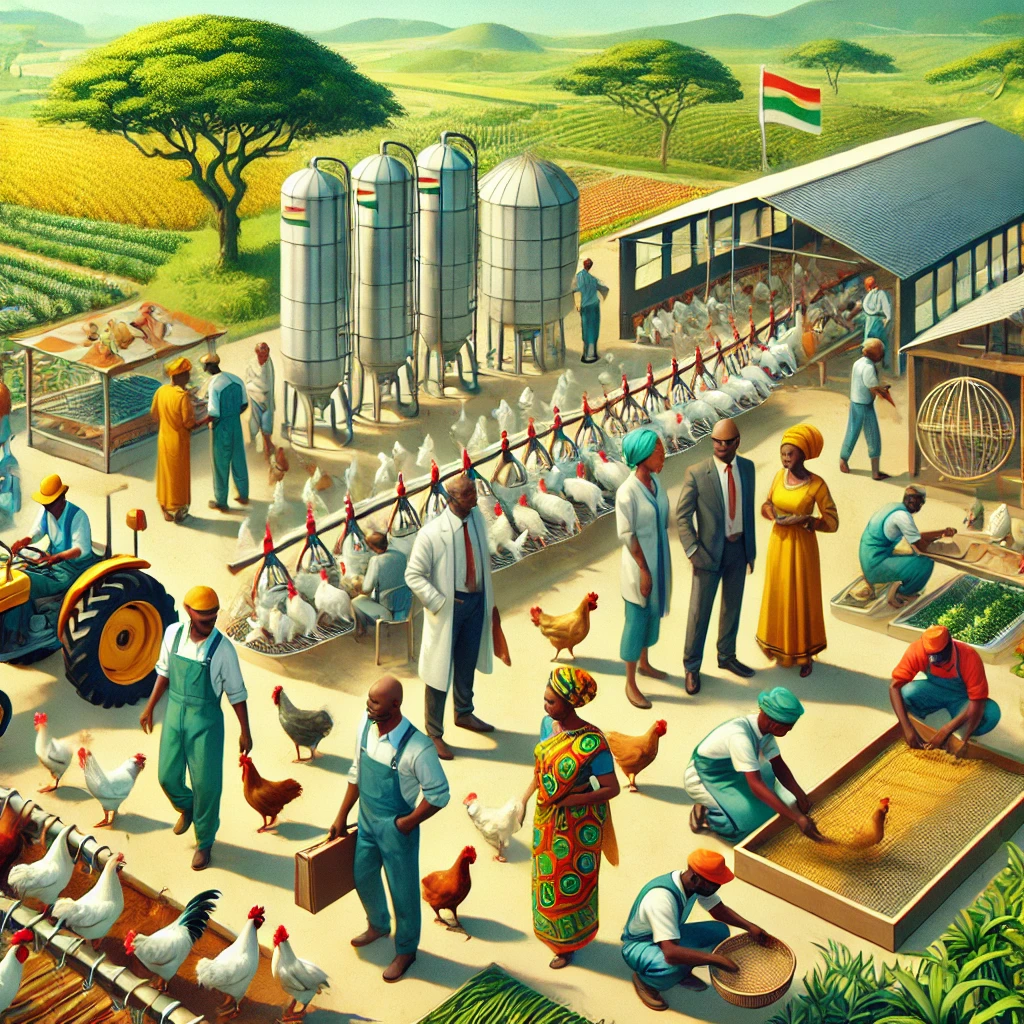
Consider a bustling market on a summer afternoon. Fresh vegetables arrive from nearby farms. Poultry vendors prepare birds for sale. Milk is transported from rural dairy farms. Fish are brought from rivers and ponds. Customers negotiate prices while vendors compete for attention. At first glance, it appears to be a celebration of food and livelihood. Yet this vibrant scene lays a complex web of risks.
Was the irrigation water clean? Were antibiotics used responsibly in livestock? Were animals vaccinated and monitored for diseases? Was the cold chain maintained during transport? Did waste contaminate nearby water sources?
The answer to each question determines whether food becomes a source of nourishment or a source of disease. Food safety, therefore, begins long before cooking. It begins in the soil, the water, the animal shed and in the farm.
# The Role of Veterinarians: – Guardians Beyond the Clinic
When discussing about public health, people often think of doctors and hospitals. Rarely do they think of veterinarians. Yet veterinarians stand at one of the most critical frontlines of disease prevention. They monitor animal health, detect zoonotic diseases, guide responsible antimicrobial use, inspect food-producing animals and contribute to food safety systems. A veterinarian identifies an outbreak in poultry or livestock and prevents a disease from ever reaching human populations. In this sense, veterinarians are not only animal doctors; they are guardians of public health.
Rudolf Virchow, often regarded as the Father of Comparative Medicine, famously stated:–
“Between animal and human medicine there are no dividing lines-nor should there be.”
His words remain a guiding principle for modern food safety.
# Climate Change on the Dinner Table
Climate change is often discussed in terms of rising temperatures, melting glaciers and extreme weather events. Yet its impact reaches directly into our kitchens. Change in the temperature influences the growth and spread of foodborne pathogens. Floods can contaminate agricultural fields and water supplies. Droughts may affect food production and quality. Altered ecosystems can create new opportunities for disease emergence. In other words, climate change is not only an environmental crisis but it is a food safety challenge. A warming planet creates conditions where old threats become stronger and new threats emerge.
# Building a Safer Food Future through One Health
The solution does not lie in a single laboratory, ministry or profession.
Food safety requires collaboration. Farmers must adopt safe and sustainable agricultural practices. Veterinarians must strengthen animal health surveillance. Public health professionals must monitor disease outbreaks. Policymakers must create evidence-based regulations. Consumers must practice responsible food handling and hygiene. Scientists must continue innovating safer production systems. Only when these sectors work together can resilient food systems emerge. This is the essence of One Health: – recognizing that every stakeholder has a role in protecting collective well-being.
# Beyond Safety: – Food as a Promise
Food is more than calories. It is culture, identity, livelihood and dignity.
A child drinking safe milk, a farmer earning a sustainable income, a family sharing a healthy meal and a community free from foodborne disease are all inter-connected by the same promise:- a promise that food should sustain life, not threaten it.
As global populations grow and food systems become increasingly interconnected, this promise must remain at the center of public health efforts.
Conclusion
Every meal tells a story. It is a story that begins in the soil, passes through animals, ecosystems and human hands and then finally reaches to our plates. The quality of that story determines the health of individuals, communities and nations. Food safety is not merely about preventing contamination. It is about protecting lives, preserving livelihoods, strengthening the public health and preventing future disease outbreaks. In the spirit of One Health, we must recognize that safe food is a shared responsibility and a shared opportunity. For in every safe meal served today lies the foundation of a healthier tomorrow. And perhaps the true measure of a resilient society is not only how well it treats disease but how effectively it prevents disease from reaching the table in the first place.
Tania Singla