

The Role of Indigenous Cattle in India’s Dairy Heritage and Sustainable Future
Dr. Tapan Kumar Das
Associate Professor,
Department of Livestock Farm Complex
College of Veterinary Sciences & A.H., R.K. Nagar, West Tripura
Abstract: India accounts for 16.5% of the global cattle population, featuring 53 distinct breeds that have developed over centuries within their respective breeding regions, making them well-suited to local environmental conditions. These breeds are robust, exhibiting heat tolerance, disease resistance, and the ability to thrive under severe nutritional stress. Traditionally, they have played multiple roles in Indian agricultural households, serving not only as a source of milk but also providing draught power and manure. Despite a significant decline in their numbers due to increased mechanization, over 55% of the cultivated land is still managed with draught animals, compared to approximately 20% with tractors, largely due to the small size of land holdings. Beyond their direct economic contributions, Indian cattle are integral to the country’s ecological and cultural heritage, having a long-standing association with local communities. Festivals such as Govardhan Pooja and Gopashtami celebrate the cow, which holds a revered status in many Indian religions. In Hindu rituals, the use of panchgavya-composed of five cow-derived products: milk, curd, ghee, dung, and urine-is essential, underscoring the indigenous cow’s significance not only for its tangible products but also for its cultural and spiritual value.
Key words: Cattle, milk, spiritual, heritage
India, recognized for possessing the largest dairy sector globally, attributes a considerable portion of its achievements to its varied and robust indigenous cattle breeds. These breeds have traditionally strengthened rural economies, enriched the cultural and spiritual dimensions of Indian life, and played a vital role in maintaining the ecological integrity of conventional agricultural practices. In recent years, despite a trend towards high-yielding crossbreeds and foreign cattle, there has been a renewed interest in indigenous breeds, driven by their sustainability, adaptability, and comprehensive benefits to rural economies.
Historical Significance of Indigenous Cattle
According to the 2020 Livestock Census in India, there were approximately 98.17 million indigenous female cattle, with 16.53 million classified as old and dry. The indigenous cow holds significant importance in Indian civilization, boasting a documented history spanning nearly 5,000 years. Temples and socio-cultural centres across India prominently feature the statue of the Nandi bull, the mount of Lord Shiva. Historically, cows played a vital role in everyday life; their low-fat milk was regarded as a beneficial alternative to maternal milk. Additionally, cow’s milk was utilized in the production of cooking oil, dairy products, and desserts. Beyond these uses, cows provided other valuable resources. Cow dung, a rich organic fertilizer, was employed for floor plastering, field fertilization, and as fuel in the form of dung cakes. Furthermore, cow urine was believed to possess medicinal properties and was used as a pesticide. Cows were also essential for breeding and progeny, while bulls, serving as draft animals, were instrumental in ploughing fields and facilitating transportation. Thus, a combination of scientific, cultural, and economic factors rendered cows a treasured asset for both society and individuals. Notably, Kautilya’s Arthasastra dedicates two chapters to the significance of cows. It is these socio-economic advantages that led to the prohibition of cow slaughter throughout the centuries, including during the Mughal era in India.
Throughout history, from the Harappan civilization to the Vedic period and beyond, cattle have played a pivotal role in the agricultural and economic landscape of India. Breeds such as Gir, Sahiwal, Red Sindhi, and Tharparkar were esteemed not only for their milk production but also for their ability to work as draft animals, their resilience to various diseases, and their suitability to the local agro-climatic environments. Ancient texts, including the Rigveda and Arthashastra, emphasizes the economic and ritual significance of cattle, with the cow being regarded as a symbol of wealth and a fundamental element of agrarian society.
Historically, India was home to 111 indigenous cattle breeds; however, the National Bureau of Animal Genetic Resources currently recognizes only 53. The emphasis on milk production has contributed to the decline of native Bos Indicus breeds and a rise in the population of Jersey cows. Ayurvedic medicine utilizes Bhasma, a preparation made by calcining metals, minerals, and animal products in crucibles using cow-dung cakes. This process facilitates the breakdown of heavy metals in the body, rendering them therapeutically beneficial. Additionally, cow urine is celebrated for its potent anti-microbial properties, and a formulation known as ark is recognized for its anti-diabetic effects (Sachdev et al, 2012).
Diversity of Indigenous Cattle Breeds
India is home to the largest and most varied cattle genetic resources globally, making it one of the most biodiverse countries. As reported in the 20th Livestock Census (2019), India possesses 193.46 million cattle, a crucial livestock species, representing 12.32% of the global cattle population and approximately 36.04% of the total livestock in the country (Das and Patnaik, 2020). The country benefits from a substantial population of indigenous cattle with a wide array of breeds.
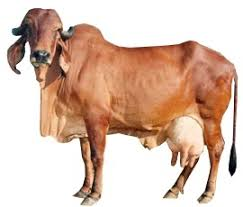
India boasts over 50 officially recognized indigenous cattle breeds, which encompass high milk-producing varieties such as Gir and Sahiwal, dual-purpose breeds like Tharparkar and Hariana, as well as draught breeds including Kangayam and Hallikar. Each breed has developed unique characteristics suited to the local climate, prevalent diseases, availability of fodder, and agricultural methods. The genetic diversity found within these breeds constitutes a significant reservoir of traits vital for future breeding initiatives and enhancing resilience.
Inimitable characteristics of Indian cattle breeds
The Indian subcontinent, particularly South Asia, is recognized as the birthplace of indigenous cattle, scientifically known as Bos indicus, commonly referred to as humped or indicus cattle. These animals are characterized by their flat foreheads, drooping ears, prominent fatty humps on their shoulders, and substantial dewlap. Indigenous breeds possess specific traits that render them well-suited to tropical climates, including heat tolerance, resistance to ticks and parasites, disease resilience, ease of calving, drought resistance, and bloat tolerance. It is well-documented that environmental heat stress adversely affects the milk production, fertility, feed intake, and growth rates of dairy animals. The unique genetic polymorphism of the HSP70 gene family in cattle may play a role in regulating gene expression or protein function in response to thermal stress, which contributes to the greater thermotolerance of Bos indicus breeds compared to Bos taurus varieties (Rehman et al., 2020; Hansen, 2020). Milk contains both whey and casein proteins, with casein constituting 80% of the total protein content and whey making up the remaining 20% (Lin et al., 2021). Among the various forms of casein present in milk, β-casein is the second most abundant, with at least 13 distinct types identified. The two most commonly referenced varieties of β-casein are A1 and A2. Indigenous or Desi cow breeds such as Sahiwal, Gir, Red Sindhi, and Kankrej are known for producing milk rich in A2-casein, which is recognized as a source of nutritious milk (Jiménez-Montenegro et al., 2022).
Comparative Analysis between Indigenous vs. Exotic Breeds
Exotic and crossbred cattle typically produce higher milk yields in ideal conditions; however, indigenous breeds demonstrate superior performance in low-input settings. These breeds necessitate less feed, exhibit greater resistance to diseases, and are capable of thriving in challenging climates. The milk from indigenous cows, which is abundant in A2 beta-casein, is regarded as healthier compared to the A1 milk from numerous exotic breeds. Additionally, the waste products of indigenous cows, including dung and urine, possess enhanced biogas and biofertilizer qualities, thereby promoting sustainable agricultural practices.
Socioeconomic Role in Rural Livelihoods
For countless small and marginal farmers, indigenous cattle serve as a versatile resource. They supply milk for both nutrition and income, provide dung for fuel and fertilizer, and are frequently incorporated into integrated crop-livestock farming systems. Women, in particular, are pivotal in the management of indigenous cattle and dairy production, thereby enhancing gender equity in rural communities. Cattle hold a distinctive position in human history, having been domesticated early in civilization and serving as subjects of reverence and mythology throughout the ages. Archaeological findings from Mohenjo-Daro and Harappa suggest that cattle were utilized in India as far back as 5000 years ago. In Hinduism, the cow symbolizes wealth, strength, abundance, and selfishness. The Mahabharata elevates their status, equating them to “one’s mother” due to the milk they provide. Numerous legends from the Puranas and Vedas feature cattle prominently. The god Krishna was born into a family of cowherds and is known as Govinda, meaning protector of cows. Furthermore, in Hindu mythology, Lord Shiva is depicted riding Nandi, a bull. In ancient India, nearly every household possessed several cows, ensuring a reliable supply of milk, along with a few bullocks that functioned as draft animals. This highlights the necessity for both development and conservation (Balakrishnan and Shukla, 2018). Indigenous cattle play a crucial role in both societal and economic contexts, offering various benefits such as social security, food security, labour, income generation, and the provision of dung and draught power. For cattle owners, particularly those lacking land, these animals enhance their social standing. In many regions, livestock are often presented as gifts during weddings, reflecting their cultural significance in Indian society. Furthermore, animals are integral to numerous social and religious practices, with bulls and cows being revered during various ceremonies. Many owners develop strong emotional bonds with their livestock (Das et al., 2020). For numerous families in India, particularly those with limited resources who maintain small herds, cattle serve as a vital source of supplementary income. The sale of milk provides a reliable revenue stream for livestock farmers. Additionally, cattle can be liquidated in times of financial need to cover expenses such as weddings, medical treatments, childcare, and home repairs. Thus, these animals function as mobile banks and assets, offering their owners a degree of financial security (Singh et al., 2020).
Sustainable Farming Practices
The imperative for sustainable development has intensified as the world meets multifaceted challenges. In rural India, indigenous cattle have historically been fundamental to agricultural practices. These animals are not only culturally significant but also essential for eco-friendly farming methods. Breeds such as Gir, Sahiwal, and Tharparkar are uniquely suited to the Indian environment, exhibiting resilience to extreme temperatures, disease resistance, and the ability to thrive on limited grazing. This makes them particularly well-suited for sustainable agricultural practices that conserve resources. Their contributions are manifold: they require less water and feed than other breeds, their dung and urine act as natural fertilizers enhancing soil quality, and they promote biodiversity while supporting robust ecosystems. Indigenous cattle are pivotal to climate-smart agriculture, facilitating sustainable farming through the provision of organic manure that enriches soil, generating lower greenhouse gas emissions compared to non-native breeds, and bolstering the economic stability of rural farmers by offering dependable income streams. Furthermore, indigenous cattle are vital to the organic and natural farming movements throughout India, as their manure enhances soil health, encourages carbon sequestration, and diminishes reliance on chemical fertilizers. Agricultural systems such as zero-budget natural farming and biodynamic agriculture capitalize on the ecosystem services rendered by these native breeds, thereby promoting regenerative agricultural practices.
Challenges Facing by Indigenous Cattle
Indigenous breeds, despite their benefits, encounter numerous obstacles including declining populations, insufficient institutional backing, inadequate breeding facilities, a bias among policymakers favouring crossbred or exotic breeds, elevated feed and fodder costs, lower milk yields, a lack of interest from farmers in maintaining indigenous cattle, increased production costs per litre of milk, an oversupply of milk in the market, and a cooperative network that promotes the rearing of high-yield crossbreds. Additionally, urbanization, the reduction of grazing lands, misconceptions regarding milk production, the unavailability of quality breeding bulls in rural areas, and a scarcity of quality semen for artificial insemination of indigenous cattle further exacerbate their marginalization.
Government and NGO Initiatives
Initiatives such as the Rashtriya Gokul Mission, the Indigenous Breed Improvement Program, and targeted conservation projects have been launched to safeguard and enhance native cattle breeds. Additionally, non-governmental organizations and community-based movements are significantly contributing by establishing gaushalas, forming indigenous milk cooperatives, and raising public awareness.
Areas such as Gujarat (Gir), Punjab (Sahiwal), and Tamil Nadu (Kangayam) have illustrated the economic potential of local breeds via structured dairy cooperatives, breed exhibitions, and governmental support. These frameworks indicate that with adequate assistance, indigenous breeds can perform competitively in terms of both productivity and profitability.
Global Discourse on Sustainable Dairy
There is a worldwide transition towards sustainable and ethical practices in the dairy industry. India’s native cattle breeds, characterized by their minimal carbon emissions, ethical frameworks, and ecological suitability, establish the nation as a frontrunner in sustainable dairy production. The increasing consumer preference for A2 milk and organic products presents new avenues for market expansion.
Policy Recommendations
The Government of India has initiated various central sector programs aimed at bolstering the dairy sector, such as the National Program for Cattle Breeding and Dairy Development, Rastriya Gokul Mission, National Program for Bovine Breeding, National Kamdhenu Breeding Center, National Dairy Plan-I, Central Herd Registration Scheme, Central Cattle Breeding Farms, and the Central Frozen Semen Production and Training Institute in Bangalore. These initiatives are designed to support and safeguard the industry. Established in 2014, the Rastriya Gokul Mission aims to preserve and enhance indigenous breeds through a systematic and focused approach (Martyniuk, 2021; Wani, 2022). This initiative envisions the establishment of integrated cattle development centers, referred to as ‘Gokul Grams,’ to promote indigenous breeds, which may include up to 40% of less prominent breeds (Mandi et al., 2018; Srivastava et al., 2019). The National Program for Bovine Breeding and Dairy Development serves as a targeted project within this mission. The primary objectives of this initiative include:
- The creation and preservation of native breeds.
- The implementation of a breed improvement program for indigenous cattle aimed at enhancing genetic diversity and increasing the population.
- The enhancement of milk production and productivity.
- The improvement of less prominent cattle through superior indigenous breeds such as Red Sindhi, Gir, Sahiwal, Rathi, and Deoni.
- The provision of high-quality, disease-free bulls for natural service (Novoselov et al., 2017).
To fully realize the potential of indigenous cattle, policies should concentrate on:
- Strengthening breed conservation as well as genetic enhancement
- Supporting the branding and marketing of indigenous milk
- Expanding veterinary extension services
- Improving fodder security and grazing rights
- Promoting research on A2 milk and indigenous dairy practices.
Conclusion
Indigenous cattle serve a purpose beyond mere milk production; they are essential to India’s agricultural heritage, ecological sustainability, and the empowerment of rural communities. The preservation and promotion of these breeds represent not only a cultural obligation but also a strategic necessity for fostering a resilient and inclusive dairy sector. As India aims for food security and climate resilience, investing in indigenous breeds provides a pathway that is rooted in tradition, enhanced by scientific advancements, and aligned with sustainable development objectives. Therefore, it is understandable that Indian culture places significant value on cows, which have historically contributed to self-reliance, sustainability, and fulfilling livelihoods. Expanding the utilization of cow-based products beyond dairy can enhance both the economy and ecology of developing nations, promoting self-sufficiency. A cow-centred approach to sustainable development is urgently required.
References
Balakrishnan, S. and Shukla, K.M. (2018). COW: A Celestial Being (Prabhat Prakashan). Prabhat Prakashan.
Das, A., Raju, R. and Patnaik, N.M. (2020). Present scenario and role of livestock sector in rural economy of India: A review. International Journal of Livestock Research. 10: 23-30.
Das, A., Raju, R. and Patnaik, N.M. (2020). Present scenario and role of livestock sector in rural economy of India: A review. International Journal of Livestock Research. 10: 23-30
Hansen, P.J. (2020). Prospects for gene introgression or gene editing as a strategy for reduction of the impact of heat stress on production and reproduction in cattle. Theriogenology. 154: 190-202.
Jiménez-Montenegro, L., Alfonso, L., Mendizabal, J.A. and Urrutia, O. (2022). Worldwide research trends on milk containing only A2 β-casein: A bibliometric study. Animals. 12(15), 1909.
Lin, L., Oh, H.E., Deeth, H.C. and Wong, M. (2021). The effects of casein and whey proteins on the rheological properties of calcium-induced skim milk gels. International Dairy Journal. 113, 104893.
Livestock Census. (2019). All India Report. http://dahd.nic.in/dahd/ WriteReadData/Livestock.pdf.
Mandi, K., Subash, S. and Devi, M. (2018). Strategies for conservation and improvement of indigenous cattle breeds in Gaushalas. Research Journal of Animal Husbandry and Dairy Sciences. 9: 20-25.
Martyniuk, E. (2021). Policy effects on the sustainability of animal breeding. Sustainability. 13(14): 7787.
Novoselov, A., Potravny, I., Novoselova, I. and Gassiy, V. (2017). Selection of priority investment projects for the development of the Russian Arctic. Polar Science. 14: 68-77.
Rehman, S.U., Nadeem, A., Javed, M., Hassan, F.U., Luo, X., Khalid, R.B. and Liu, Q. (2020). Genomic identification, evolution and sequence analysis of the heat-shock protein gene family in buffalo. Genes. 11(11): 1388.
Sachdev, Devender O., Devesh D. Gosavi, and Kartik J. Salwe. “Evaluation of antidiabetic, antioxidant effect and safety profile of gomutra ark in Wistar albino rats.” Ancient science of life 31, no. 3 (2012): 84.
Singh, K., Singh, R., Jadoun, Y.S., Bharti, D. and Kansal, S.K. (2020). International Journal of Current Microbiology and Applied Sciences. (2020) 9(8): 432-436.
Srivastava, A.K., Patel, J.B., Ankuya, K.J., Chauhan, H.D., Pawar, M.M. and Gupta, J.P. (2019). Conservation of indigenous cattle breeds. Journal of Animal Research. 9(1): 1-12.
Wani, M.H. (2022). Livestock Sector between Pushing and Pulling Factors-evolving Scenario for National Livestock Development. In Advances in Animal Experimentation and Modeling. Academic Press. (pp. 405-423).