

Supreme Court Issues Landmark Directions for Removal of Stray Dogs and Animals from Sensitive Public Spaces
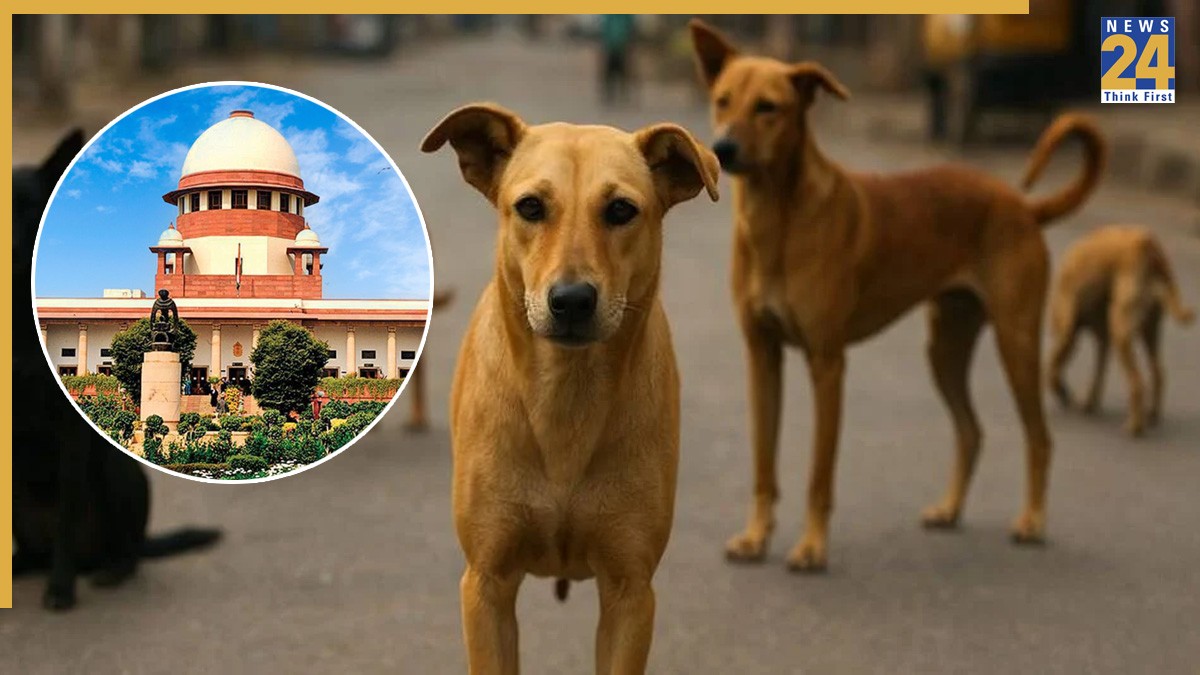
In a major development impacting public safety and animal management, the Supreme Court of India has ordered all states and Union territories to systematically remove stray dogs from critical premises such as schools, hospitals, bus stands, railway stations, and other high-traffic public locations. These directions are part of the Court’s efforts to address increasing incidents of dog bites and to ensure hygienic environments in institutional areas.
Key Highlights of the Supreme Court’s Order:
- Mandatory Relocation: Stray dogs currently found in the specified locations must be captured, sterilized, vaccinated, and then relocated to approved dog shelters. The Court emphasized that returning dogs to their original sites would undermine the purpose of the intervention.
- Public Safety Focus: The three-judge bench, including Justices Vikram Nath, Sandeep Mehta, and NV Anjaria, underscored the need for immediate action to safeguard both children and the public from stray dog-related incidents.
- Institutional Surveillance: Every affected site (schools, hospitals, transport hubs) will have a nodal officer appointed to oversee canine management and ensure compliance with the Court’s orders. Local municipal bodies and panchayats are mandated to conduct regular inspections for at least the next three months.
- Extension to Highways and Roads: Authorities are also directed to remove stray cattle and other animals from highways and expressways, relocating them to designated shelters. The National Highways Authority of India (NHAI) is tasked to coordinate with local bodies to identify and address stretches prone to animal crossings.
- Continuous Oversight: Municipal and local authorities are required to submit periodic reports to the Court, documenting the progress and effective surveillance of premises.
- Future Hearings: The matter remains under active judicial review, with the next hearing scheduled for January 13, ensuring ongoing monitoring and enforcement.
Background & Rationale:
This directive comes as a part of the Supreme Court’s ongoing suo motu proceedings focusing on the menace of stray dog bites and the risks posed to vulnerable groups in public institutions. The Court observed that frequent feeding and encouragement of strays near institutional areas complicates the situation, necessitating firm interim measures.
Implications:
The ruling will influence municipal policies, animal welfare operations, and the management of stray populations in urban as well as semi-urban areas. By mandating sterilization, vaccination, and humane relocation, the Supreme Court aims to balance public health with animal welfare concerns.