



Advancements in Poultry Farming: Modern Technologies for Better Productivity and Profitability
Harsimar Preet Kour1, Anupam Soni1, Irusappan Ilayaraja2 and Anoop Kumar3*
* Corresponding author: anoop.vet2017@gmail.com
1Livestock Production Management Division, NDRI, Karnal, Haryana
2 Animal Genetics and Breeding Division, NDRI, Karnal, Haryana
3Animal Reproduction, Gynaecology and Obstetrics Division, NDRI, Karnal, Haryana
Introduction
Poultry farming has changed dramatically from a small household activity into one of the most advanced and commercially successful livestock enterprises. It plays a major role in supplying affordable protein through eggs and meat, generating employment and supporting rural livelihoods. In countries like India, poultry farming has become an important component of the agricultural economy due to increasing demand for nutritious food and quick returns on investment. Scientific progress in breeding, feeding, housing, disease control, automation and marketing has improved production efficiency and profitability. Modern poultry farming now focuses not only on high output but also on sustainability, bird welfare, food safety and smart management systems.
Evolution of Poultry Farming
Earlier poultry farming was largely unorganized and based on backyard systems where birds scavenged for feed and received little management attention. Indigenous birds were hardy but produced fewer eggs and less meat. Mortality from predators and disease was common, and productivity remained low. With the development of commercial poultry science, farming gradually shifted toward organized systems with improved breeds, formulated feed, vaccination and better housing. Today, poultry farming includes highly specialized broiler farms, layer farms, breeder farms, hatcheries, feed mills and processing units operating with scientific precision. This transformation has made poultry one of the fastest-growing livestock sectors in the world.
Genetic Improvement in Poultry
One of the most important advancements in poultry farming is genetic improvement through selective breeding. Poultry breeding companies have developed specialized broiler strains that grow rapidly, convert feed efficiently and yield more meat in a short time. Similarly, layer strains have been bred for high egg production, strong shell quality and longer productive life. Modern birds are more uniform in growth and performance, which helps commercial farmers manage flocks efficiently. Research is also focusing on disease resistance, heat tolerance and adaptability to changing climates. Conservation of indigenous poultry breeds is equally important because they possess valuable traits such as hardiness and local adaptability.
Hatchery Technology
Modern hatchery technology has revolutionized chick production by ensuring uniform, healthy, and disease-free chicks. Artificial incubation systems now control temperature, humidity, ventilation and egg turning with great accuracy. Automatic incubators increase hatchability and reduce labour. Eggs are graded, sanitized and monitored scientifically before incubation. Hatcheries also use candling systems to identify infertile eggs and embryo mortality. New developments such as in-ova vaccination provide disease protection before chicks’ hatch. Chick sexing, grading and vaccination are now faster and more accurate. High-quality chicks from modern hatcheries are the foundation of successful poultry farming.
Scientific Poultry Nutrition
Feed accounts for the largest share of poultry production cost, so advancements in nutrition have greatly improved farm profitability. Modern poultry feed is scientifically balanced according to bird age, production stage and performance needs. Nutrients such as energy, protein, amino acids, vitamins and minerals are carefully calculated. Feed additives like enzymes improve digestion, probiotics support gut health and toxin binders protect birds from contaminated feed. Precision feeding systems allow better nutrient use and reduce wastage. Nutritional research also helps formulate low-cost rations using local ingredients without compromising performance. Better nutrition directly enhances growth rate, egg production, immunity and feed conversion efficiency.
Automation in Poultry Housing
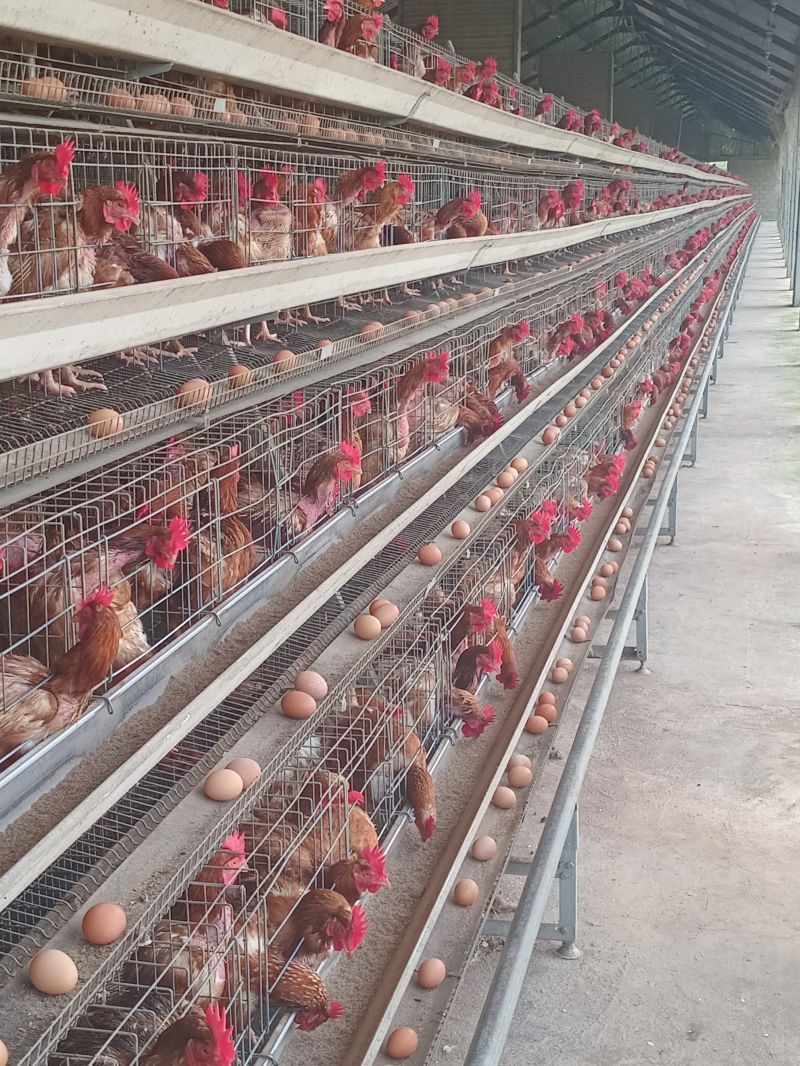
Automation has significantly reduced labour dependence in poultry farming. Many commercial farms now use automatic feeders, drinkers, egg collection systems, manure conveyors and computerized climate controllers. Feed is supplied evenly to birds through chain or pan feeder systems, reducing wastage and ensuring uniform intake. Nipple drinkers provide clean water while minimizing contamination. In layer farms, automatic egg belts reduce breakage and labour costs. Manure removal systems improve hygiene and air quality. Automation not only saves time and labour but also improves consistency in management, which is critical for large-scale poultry operations.
Environment Controlled Poultry Houses
Climate-controlled poultry housing is one of the biggest advancements in modern poultry production. These houses maintain ideal temperature, humidity and airflow regardless of outside weather conditions. During summer, cooling pads, foggers, tunnel ventilation, and exhaust fans reduce heat stress. In winter, heaters maintain comfortable temperature for birds. Controlled houses protect flocks from extreme weather, improve feed efficiency, reduce mortality and enhance growth. They are especially useful in hot and humid climates where open housing may lead to severe production losses. Although initial investment is high, the long-term productivity benefits are substantial.
Precision Poultry Farming
Precision poultry farming uses digital technologies to monitor birds continuously and improve decision-making. Sensors collect data on temperature, humidity, feed intake, water consumption, bird weight, sound and movement. This information is analyzed in real time to identify abnormalities quickly. For example, sudden reduction in water intake may indicate disease, while unusual sound patterns may signal respiratory problems. Farmers receive alerts on mobile devices, allowing rapid intervention. Precision farming reduces guesswork and enables more efficient use of resources. It is becoming increasingly important as flock sizes grow and labour becomes more expensive.
Artificial Intelligence in Poultry Farming
Artificial intelligence is emerging as a powerful tool in poultry production. AI systems analyse large amounts of farm data and detect patterns that humans may overlook. They can predict disease outbreaks, estimate body weight from camera images, optimize feed usage and forecast egg production trends. AI-based cameras monitor bird activity and welfare, while sound analysis tools can identify coughing or distress. Machine learning models improve continuously as more data become available. This technology helps farmers make faster, more accurate decisions and can significantly reduce losses caused by delayed management actions.
Poultry Health and Disease Diagnosis
Disease prevention remains one of the most important areas of advancement in poultry farming. Modern farms use strict biosecurity measures such as vehicle disinfection, visitor control, protective clothing and sanitation barriers. Diagnostic methods have improved from simple observation to advanced laboratory techniques like PCR, ELISA and rapid antigen kits. These methods allow early detection of diseases such as avian influenza, Newcastle disease, infectious bronchitis and coccidiosis. Early diagnosis enables timely treatment or containment, reducing mortality and economic loss. Health monitoring programs are now an essential part of commercial poultry production.
Vaccination Advancements
Vaccination technology has progressed greatly in recent years. Poultry vaccines are now available in live, killed, recombinant, vector-based, and thermostable forms. Vaccines can be administered through spray, drinking water, eye drops, injection or in-ova methods. Mass vaccination systems save labour and ensure better flock coverage. Thermostable vaccines are especially useful in rural areas where cold chain facilities are limited. Well-planned vaccination schedules protect birds against major infectious diseases and reduce dependence on medicines. Vaccination remains one of the most cost-effective tools in poultry health management.
Lighting Technology in Poultry Houses
Lighting plays a crucial role in bird behaviour, feed intake, growth and egg production. Traditional bulbs consumed more electricity and generated unwanted heat. Modern poultry farms increasingly use LED lighting systems because they are energy-efficient, durable and allow precise control of light intensity and duration. In broilers, appropriate lighting programs improve feeding behaviour and growth performance. In layers, controlled photoperiod stimulates egg production and supports reproductive efficiency. Coloured LED lighting is also being studied for its influence on bird calmness and productivity.
Welfare-Friendly Poultry Systems
Consumer awareness has increased interest in animal welfare, leading to new poultry systems designed for better bird comfort. Cage-free housing, enriched cages, free-range systems and deep litter systems allow birds more freedom of movement and expression of natural behaviours such as scratching, dust bathing and nesting. Welfare-friendly systems also focus on lower stress, good litter quality and better handling practices. Though production costs may be higher, these systems often attract premium markets and improve public acceptance of poultry farming.
Antibiotic Free and Organic Poultry Production
There is growing demand for poultry products raised without unnecessary antibiotics. As a result, many farms now adopt antibiotic-free or organic production systems. These systems emphasize hygiene, vaccination, probiotics, herbal additives and balanced nutrition to maintain health naturally. Organic farms also use feed ingredients produced without synthetic chemicals and often provide outdoor access. Consumers view these products as safer and more natural. Although management is more demanding, premium pricing can improve farmer income.
Poultry Waste Management
Waste management has become an important advancement in sustainable poultry farming. Poultry manure, litter, feathers and processing waste can create environmental problems if unmanaged. Modern farms convert manure into organic fertilizer, compost, vermicompost or biogas. Feathers are processed into feather meal for animal feed or industrial use. Proper waste management reduces pollution, odour, fly breeding and disease risk. It also creates additional income streams and improves farm sustainability.
Water Management Innovations
Water is essential for bird survival and productivity. Modern poultry farms use nipple drinker systems, pressure regulators, medicators and automated flushing lines to maintain clean and efficient water supply. Water meters help monitor consumption, which can indicate flock health. Filtration and disinfection systems improve water quality. Efficient water management reduces wastage and ensures birds receive clean drinking water at all times, especially during hot weather.
Poultry Processing and Value Addition
Advancements are not limited to farm production; poultry processing has also modernized significantly. Hygienic slaughterhouses use automated equipment for defeathering, chilling, cutting and packaging. Vacuum packing and cold chain systems extend shelf life and maintain product quality. Value-added products such as nuggets, sausages, marinated chicken, liquid egg and ready-to-cook items increase profitability. Modern processing improves food safety and provides consumers with convenient products.
Digital Marketing and Online Sales
Technology has changed poultry product marketing. Farmers and companies now use e-commerce platforms, mobile apps and social media to sell eggs, meat, chicks and farm inputs directly to customers. Home delivery systems and subscription egg models are gaining popularity in urban areas. Digital marketing helps producers reach more buyers, build brand identity and obtain better prices by reducing middlemen.
Role of Women and Youth in Poultry Farming
Modern poultry farming has created opportunities for women and young entrepreneurs. Small poultry units require limited land and can be managed near the household. Women often participate in feeding, egg collection, chick care and marketing. Youth are adopting technology-based poultry businesses involving smart monitoring, online sales and value-added products. Poultry farming can therefore contribute strongly to employment generation and rural development.
Future of Poultry Farming
The future of poultry farming is expected to become more intelligent, efficient and sustainable. Robotic systems may handle feeding and egg collection. Blockchain technology can improve traceability from farm to consumer. AI-driven health monitoring will become more accurate. Renewable energy such as solar-powered poultry houses may reduce production costs. Alternative proteins for feed, such as insect meal and algae, may improve sustainability. These innovations will help meet rising demand for poultry products while conserving resources.
Challenges Despite Advancements
Despite impressive progress, poultry farming still faces several challenges. Feed ingredient prices fluctuate frequently; disease outbreaks remain a constant threat and climate change increases heat stress risk. Consumer concerns about welfare and food safety require higher standards. Small farmers may struggle to adopt expensive technologies. Therefore, future progress depends on affordable innovations, farmer training, strong veterinary services and supportive government policies.
Conclusion
Advancements in poultry farming have transformed a traditional enterprise into a modern, science-based industry capable of producing large quantities of eggs and meat efficiently. Genetic improvement, automation, precision nutrition, smart health monitoring, welfare systems and sustainable waste management have all contributed to this progress. As technology continues to evolve, poultry farming will become even more productive, environmentally responsible and profitable. For developing countries like India, these advancements offer a major opportunity to improve nutrition, generate employment and strengthen rural economies.
References:
Food and Agriculture Organization. (2023). Poultry sector development and sustainability. Rome: FAO.
Indian Council of Agricultural Research. (2022). Advances in poultry production and management. New Delhi: ICAR.
World Organisation for Animal Health. (2023). Manual of diagnostic tests and vaccines for terrestrial animals. Paris: WOAH.
National Research Council. (1994). Nutrient requirements of poultry (9th rev. ed.). Washington, DC: National Academies Press.
World Health Organization. (2021). Antimicrobial resistance and food-producing animals. Geneva: WHO.
Food and Agriculture Organization. (2020). Biosecurity guide for live poultry markets. Rome: FAO.
United States Department of Agriculture. (2022). Poultry production and value-added processing systems. Washington, DC: USDA.
Central Avian Research Institute. (2021). Modern poultry farming technologies in India. Izatnagar, India: CARI.
Food and Agriculture Organization. (2019). Poultry waste management and environmental sustainability. Rome: FAO.
World Poultry Science Association. (2022). Recent advances in poultry science and technology. World’s Poultry Science Journal, 78(4), 921–938.
Indian Veterinary Research Institute. (2020). Diseases of poultry and diagnostic approaches. Bareilly, India: IVRI.
Food and Agriculture Organization. (2021). Smallholder poultry production and rural livelihoods. Rome: FAO.
World Health Organization. (2022). Food safety aspects of poultry products. Geneva: WHO.
International Poultry Council. (2023). Global trends in poultry production and trade. Atlanta: IPC.
National Dairy Development Board. (2021). Role of women and youth in livestock and poultry enterprises. Anand, India: NDDB.















