
Recent Advancements in Feeding of Layers: Modern Nutrition Strategies for Higher Egg Production and Better Health
Harsimar Preet Kour1, Anupam Soni1*, Divyanshu Sharma1, Irusappan Ilayaraja2 and Anoop Kumar3
* Corresponding author: vetanupam456@gmail.com
1Livestock Production Management Division, NDRI, Karnal, Haryana
2 Animal Genetics and Breeding Division, NDRI, Karnal, Haryana
3Animal Reproduction, Gynaecology and Obstetrics Division, NDRI, Karnal, Haryana
Introduction
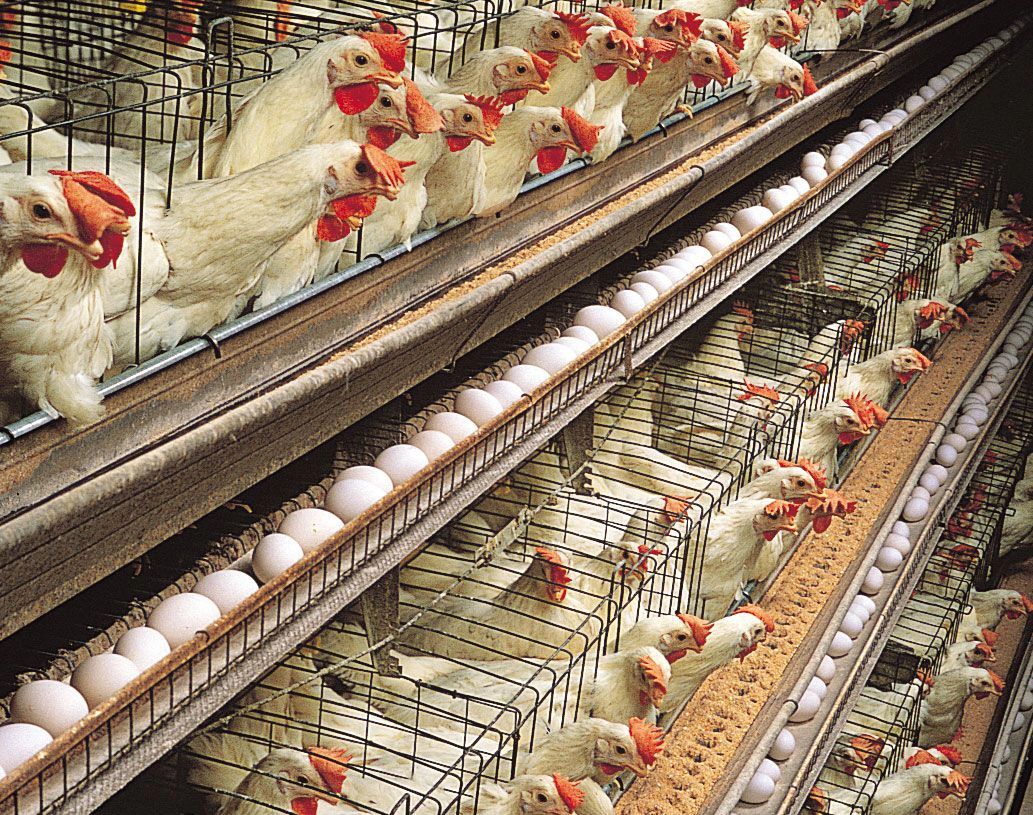
Layer farming has become one of the most important enterprises in modern poultry production because eggs are an affordable and high-quality source of protein for people across the world. The profitability of layer farming depends largely on efficient feeding because feed cost contributes the highest share of total production expenses. Traditional feeding systems mainly focused on supplying energy and protein, but modern layer nutrition has advanced significantly. Today, feeding programs aim not only to maximize egg production but also to improve egg quality, bird welfare, gut health, immunity, environmental sustainability and economic efficiency. Recent innovations in feed formulation, additives, precision nutrition, alternative ingredients and digital technologies have transformed the feeding of laying hens. These developments are helping farmers produce more eggs with fewer resources while maintaining flock health and reducing production costs.
Evolution of Layer Feeding Systems
Earlier layer feeding practices were simple and based on cereal grains, oilseed cakes, mineral mixtures and kitchen by-products. While these diets supported basic production, they often lacked balance in amino acids, vitamins, and minerals. With the growth of commercial poultry farming, nutritionists began developing scientifically balanced rations according to age and production stage. Feeding programs are now divided into pre-starter, grower, developer, pre-layer, layer phase 1, phase 2 and late-lay diets. This staged approach ensures that birds receive nutrients according to changing physiological needs. The shift from generalized feeding to precision feeding has greatly improved egg production and feed efficiency.
Precision Nutrition in Layers
Precision nutrition is one of the most recent advancements in layer feeding. It involves supplying nutrients exactly according to bird requirement rather than overfeeding or underfeeding. Modern layer strains have different nutrient needs depending on age, body weight, egg mass, climate and housing system. Nutritionists now use advanced software and production data to adjust energy, amino acids, calcium, phosphorus and micronutrients more accurately. This approach improves feed conversion, lowers feed cost, reduces nutrient wastage and decreases manure pollution. Precision nutrition is especially useful in large commercial farms where small savings in feed cost can create major economic benefits.
Phase Feeding System
Phase feeding is now widely adopted in layer farming. In this system, feed composition changes according to stage of production. Young hens in early lay need higher protein and amino acids for rapid egg production, while older hens need more calcium to maintain shell quality. Instead of using one feed formula throughout the laying period, farmers use multiple diets matched to bird age and egg output. This practice prevents excess nutrient supply, improves egg mass and lowers feeding cost. It also reduces nitrogen and phosphorus excretion into the environment. Phase feeding is considered a highly practical and profitable advancement in commercial layer nutrition.
Low Crude Protein Diets with Synthetic Amino Acids
Recent nutrition strategies increasingly use low crude protein diets supplemented with synthetic amino acids such as lysine, methionine, threonine, tryptophan and valine. Earlier diets used higher protein levels to ensure essential amino acid supply, but excess protein increases cost and nitrogen excretion. By supplementing purified amino acids, crude protein can be reduced while maintaining production performance. Birds utilize nutrients more efficiently, litter quality improves, ammonia emission decreases and feed cost may decline depending on ingredient prices. This method has become an important tool for sustainable poultry nutrition.
Use of Feed Enzymes
Exogenous enzymes are among the most valuable modern feed additives in layer feeding. Enzymes such as phytase, xylanase, protease, beta-glucanase and amylase help break down indigestible components in feed ingredients. Phytase releases phosphorus bound to phytate, reducing the need for inorganic phosphorus supplements. NSP-degrading enzymes improve energy extraction from wheat, maize by-products and other cereals. Protease enhances protein digestibility. Use of enzymes improves feed efficiency, egg production, shell quality and nutrient utilization while reducing feed cost and manure nutrient losses.
Probiotics and Prebiotics
Gut health has become a central focus in recent poultry feeding programs. Probiotics are beneficial microorganisms such as Lactobacillus and Bacillus species that support a healthy intestinal microbial balance. Prebiotics are non-digestible compounds that stimulate growth of beneficial bacteria. These additives improve digestion, reduce harmful pathogens, enhance immunity and support egg production. In antibiotic-restricted production systems, probiotics and prebiotics are increasingly used as natural performance enhancers. Synbiotics, which combine probiotics and prebiotics, are also gaining popularity in commercial layer farming.
Organic Acids in Layer Diets
Organic acids such as citric acid, formic acid, propionic acid, lactic acid and butyric acid are widely used in modern layer nutrition. They help lower gut pH, suppress harmful bacteria, improve digestion and support intestinal integrity. Organic acids may also improve calcium and phosphorus utilization, which benefits eggshell quality. In hot climates, acidifiers in water or feed can improve gut health and reduce bacterial challenges. Their use has increased significantly as part of antibiotic-free production systems.
Phytogenic Feed Additives
Plant-based feed additives, also called phytogenics are recent innovations receiving strong interest. These include herbs, spices, essential oils, and plant extracts such as oregano, garlic, turmeric, thyme, cinnamon, ginger, neem and peppermint. Many of these ingredients possess antioxidant, antimicrobial, digestive stimulant and anti-inflammatory properties. In layers, phytogenics may improve feed intake, egg quality, yolk pigmentation, immunity and stress tolerance. Consumer preference for natural products has accelerated research and use of phytogenic additives in poultry feed.
Functional Minerals and Chelated Trace Elements
Mineral nutrition has also advanced beyond traditional inorganic salts. Organic or chelated minerals such as zinc, manganese, copper, selenium and iron have higher bioavailability than many conventional forms. Better mineral absorption means lower inclusion levels may be needed while maintaining performance. Trace minerals play essential roles in immunity, antioxidant defense, eggshell formation, fertility and metabolism. Use of chelated minerals has been associated with improved shell strength, hatchability in breeder layers and lower mineral excretion into the environment.
Calcium Nutrition and Eggshell Quality
Calcium feeding remains one of the most important topics in layer nutrition and recent advancements focus on source, particle size, timing and balance with phosphorus and vitamin D. Coarse limestone particles are now commonly used because they remain longer in the gizzard and release calcium gradually during nighttime shell formation. Split calcium feeding, where extra calcium is offered later in the day, has shown benefits in older hens. Precision calcium nutrition helps reduce shell breakage, improve egg marketability and extend laying persistence.
Omega-3 and Designer Eggs Through Nutrition
Modern feeding allows production of value-added eggs known as designer eggs. By adding flaxseed, fish oil, algae meal or other special ingredients, eggs can be enriched with omega-3 fatty acids. Similarly, selenium-enriched eggs, vitamin-enriched eggs, low-cholesterol concept eggs and lutein-enriched eggs are produced through nutritional manipulation. These products meet consumer demand for healthier foods and offer premium market opportunities for farmers. Nutritional modification of eggs is an important commercial advancement in layer feeding.
Alternative Protein Sources
Rising soybean meal prices have encouraged research into alternative protein ingredients for layers. Current options include sunflower meal, canola meal, DDGS, insect meal, fermented feed proteins, algae proteins and yeast-based ingredients. Properly processed alternative proteins can partially replace conventional sources while reducing cost and dependence on imports. However, their use requires careful formulation because fiber content, amino acid balance and anti-nutritional factors vary. Sustainable protein sourcing is expected to become more important in future poultry feeding systems.
Fermented Feed Technology
Fermented feed is gaining popularity in layer production. In this system, feed ingredients are fermented using beneficial microbes before feeding. Fermentation can improve nutrient availability, reduce anti-nutritional factors, enhance palatability and promote beneficial gut bacteria. Some studies report improved egg production, shell quality and gut health in hens fed fermented diets. This technique may be especially useful where locally available raw materials need nutritional upgrading.
Feeding for Heat Stress Management
Climate change and rising temperatures have increased the importance of summer nutrition for layers. Modern hot-weather feeding includes higher nutrient density diets, balanced electrolytes, vitamin C, vitamin E, betaine, antioxidants and feeding during cooler hours. Fat is often used to increase dietary energy because it produces less heat during metabolism than excess carbohydrates. Such strategies help maintain egg production, shell quality and bird comfort during heat stress.
Digital Feed Management and Smart Feeding Systems
Recent farms are adopting digital technologies for feed management. Automated silos, feed weighing systems, sensor-based feeders and real-time consumption monitoring allow farmers to detect problems quickly. Sudden reduction in feed intake may indicate disease, heat stress or water supply issues. Data-driven feeding decisions improve efficiency and reduce wastage. Integration of artificial intelligence and farm software is expected to make layer feeding more precise in the future.
Sustainable and Eco-Friendly Feeding
Environmental sustainability is now a major goal of poultry nutrition. Modern feed strategies aim to reduce nitrogen, phosphorus, ammonia and carbon footprint. Low protein diets, phytase supplementation, local feed ingredients, by-product utilization, precision mineral nutrition and better feed conversion all contribute to sustainability. Feeding programs are now judged not only by production results but also by environmental impact.
Feeding During Extended Laying Cycles
Modern layer strains are capable of longer productive life, often beyond 90 weeks under good management. Nutrition for extended laying cycles focuses on shell quality, bone health, feather condition and sustained egg mass. Special late-lay diets with adjusted calcium, phosphorus, amino acids and vitamins help hens remain productive longer. This reduces replacement costs and improves lifetime efficiency.
Role of Nanotechnology and Future Additives
Emerging research is exploring nano-minerals, encapsulated nutrients, slow-release additives, postbiotics and targeted gut modulators. Nano forms of selenium, zinc and other minerals may improve absorption at lower doses. Encapsulation protects sensitive nutrients until they reach the intestine. Though still developing, these technologies represent the next generation of poultry nutrition.
Challenges in Modern Layer Feeding
Despite progress, several challenges remain. Feed ingredient prices fluctuate frequently, quality of raw materials varies, mycotoxin contamination can reduce performance and many advanced additives increase cost. Small farmers may lack access to formulation expertise. Therefore, adoption of recent advancements must be economically practical and based on sound management rather than trend alone.
Conclusion
Recent advancements in feeding of layers have transformed poultry nutrition from simple rationing to a precision science. Modern systems now combine phase feeding, amino acid balancing, enzymes, probiotics, phytogenics, functional minerals, designer egg nutrition, heat stress management and digital monitoring. These innovations improve egg production, shell quality, bird health and farm profitability while reducing environmental impact. For countries such as India, adoption of cost-effective modern feeding practices can significantly strengthen egg production and nutritional security.
References
National Research Council. (1994). Nutrient requirements of poultry (9th rev. ed.). Washington, DC: National Academies Press.
Food and Agriculture Organization. (2022). Poultry feed and nutrition management for sustainable production. Rome: FAO.
Indian Council of Agricultural Research. (2021). Advances in poultry nutrition and feeding systems. New Delhi: ICAR.
World Poultry Science Association. (2023). Recent developments in layer nutrition and feed technology. World’s Poultry Science Journal, 79(2), 315–332.
Central Avian Research Institute. (2020). Scientific feeding of commercial layers. Izatnagar, India: CARI.
Food and Agriculture Organization. (2021). Sustainable poultry feeding strategies and environmental management. Rome: FAO.
United States Department of Agriculture. (2022). Modern poultry feed additives and nutrient utilization. Washington, DC: USDA.
World Health Organization. (2021). Antibiotic-free poultry production and food safety. Geneva: WHO.
Indian Veterinary Research Institute. (2020). Gut health and probiotic applications in poultry. Bareilly, India: IVRI.
Food and Agriculture Organization. (2020). Alternative protein sources in poultry nutrition. Rome: FAO.
World Poultry Science Association. (2021). Use of enzymes, probiotics and phytogenics in layer feeding. World’s Poultry Science Journal, 77(4), 845–861.
National Dairy Development Board. (2022). Climate resilient poultry feeding and heat stress management. Anand, India: NDDB.
Food and Agriculture Organization. (2019). Precision nutrition and feeding technologies in poultry production. Rome: FAO.
World Organisation for Animal Health. (2022). Good farming practices for poultry health and nutrition. Paris: WOAH.
International Poultry Council. (2023). Global trends in layer feeding and egg production systems. Atlanta: IPC.