

Milk Fever in Dairy Cows: Prevention is Better than Cure
Dr. Karuna P. Bambode* and Dr. Jasanjot Singh**
*Scientist, Animal Physiology Division, ICAR-NDRI, Karnal-132001 (Haryana)
** Department of Veterinary Physiology, GADVASU Ludhiana (Punjab)
Corresponding authors e-mail id: karuna2023ars@gmail.com and mrjashan0@gmail.com
Abstract
Milk fever, also known as hypocalcemia or parturient paresis, is a common metabolic disorder affecting high-yielding dairy cows around calving. It occurs due to a sudden drop in blood calcium levels caused by increased calcium demand for colostrum and milk production. The disease reduces milk yield, fertility, and immunity, and may lead to severe complications if untreated. Proper nutrition, calcium supplementation, and management during the transition period are essential to prevent milk fever and maintain dairy herd productivity.
Keywords: Milk fever, Hypocalcemia, Dairy cows, Transition period, Calcium supplementation
Introduction
Dairy farming is important for food security and the livelihood of millions of farmers. However, dairy cows are highly vulnerable to metabolic diseases during the transition period (3–4 weeks before and after calving) due to sudden physiological and nutritional stress. Among these disorders, Milk Fever or hypocalcemia is one of the most common and economically important diseases in high-yielding dairy cows. It occurs because of a sudden drop in blood calcium levels at calving when large amounts of calcium are required for colostrum and milk production (Rodríguez et al., 2017). Calcium deficiency affects muscle function, feed intake, fertility, milk production, and immunity, making cows more susceptible to diseases such as mastitis, retained placenta, ketosis, and displaced abomasum (Melendez et al., 2019). If untreated, milk fever may lead to recumbency, coma, or death, resulting in significant economic losses to dairy farmers (Stevenson and Lean, 1998). Proper nutrition, calcium supplementation, and monitoring of high-risk cows during the transition period are essential for prevention, proving that “Prevention is Better than Cure.”
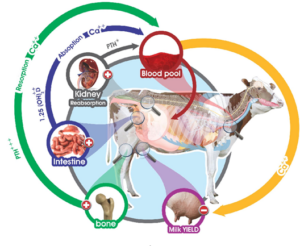
Figure 1: Ca homeostatic mechanisms in dairy cows in response to Ca outflow into milk during very early lactation (Seifi and Kia, 2017).
Why Does Milk Fever Occur?
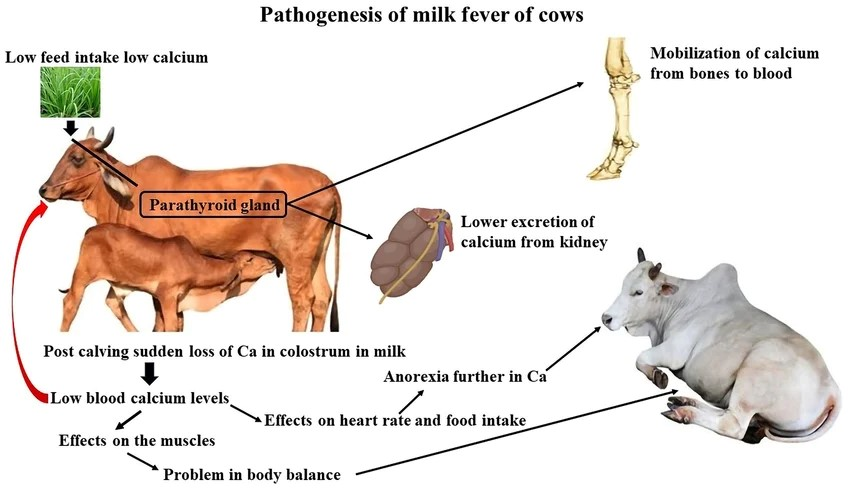
Milk fever develops due to an imbalance between calcium demand and calcium availability in the body around calving. Important causes include:
- Sudden increase in calcium requirement after calving
- Improper calcium feeding during the dry period
- Poor calcium mobilization in older cows
- Higher calcium demand in high-yielding cows
- Excess potassium or alkaline diets
- Vitamin D deficiency affecting calcium absorption
High-producing breeds such as Holstein Friesian and Jersey cows are more susceptible to the disease.
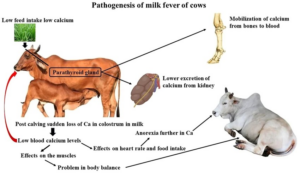
Figure 2: Mechanism of calcium mobilization and blood calcium regulation during early lactation in dairy cows.
Signs and Symptoms: Milk fever usually occurs within 24–72 hours after calving and progresses through three stages. Normal blood calcium levels in dairy cows range from 8.5–10 mg/dL, while milk fever occurs when levels fall below 5.5 mg/dL.
Stage I: Early Stage
- Loss of appetite
- Muscle tremors
- Weakness and unsteady gait
- Nervousness
Stage II: Moderate Stage
- Cow unable to stand (sternal recumbency)
- S-shaped neck posture
- Cold ears and dry muzzle
- Reduced rumen movement
Stage III: Severe Stage
- Cow lies flat on side (lateral recumbency)
- Muscle paralysis and unconsciousness
- Severe hypothermia and bloating
- Coma and possible death
Early veterinary treatment is essential for recovery.
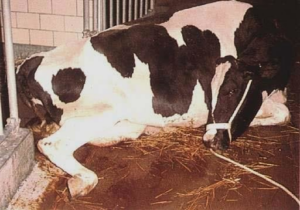
Important: Farmers should contact a veterinarian immediately when early signs are noticed, as prompt calcium therapy can rapidly reverse the condition and save the animal’s life.
Economic Impact of Milk Fever
Milk fever causes significant economic losses in dairy farming due to:
- Reduced milk production
- Increased veterinary expenses
- Higher risk of diseases such as mastitis, ketosis, retained placenta, and displaced abomasum
- Poor reproductive performance
- Increased culling and mortality
- Additional labor and management costs
Even subclinical hypocalcemia can silently reduce productivity and immunity.
Prevention and Management of Milk Fever
Milk fever can largely be prevented through proper nutritional and management practices during the transition period.
- Feed balanced low-calcium dry cow diets
- Use anionic salts to improve calcium availability
- Provide oral calcium supplements after calving
- Ensure adequate Vitamin D levels
- Monitor high-risk cows closely
- Maintain proper body condition
- Observe cows carefully during the first 72 hours after calving
Treatment
Milk fever is an emergency condition requiring immediate veterinary attention. Treatment includes:
- Intravenous calcium borogluconate administration
- Oral calcium supplementation
- Supportive care and monitoring
Prompt treatment greatly improves recovery.
Key Message for Farmers
✔ Provide balanced dry cow nutrition
✔ Avoid excess calcium before calving
✔ Use anionic salts when recommended
✔ Monitor cows closely around calving
✔ Keep calcium supplements ready for high-risk cows
✔ Contact a veterinarian immediately if early signs appear
Remember: Preventing milk fever is easier, cheaper, and far more effective than treating it after it occurs.
References:
- Melendez, P., Zaror, V., Gaul, P., Poock, S. E. and Goff, J. P. (2019). “Effect of diets containing sulfate or chloride-based anionic salts, fed to grazing prepartum dairy cows, on concentrations of Ca in plasma, disease incidence and milk yield.” New Zealand Veterinary Journal 67(2):79–85.
- Rodríguez, E. M., Arís, A. and Bach, A., (2017). “Associations between subclinical hypocalcemia and postparturient diseases in dairy cows.” Journal of Dairy Science 100(9):7427–7434.
- Seifi, H. A. and Kia, S., (2017). Subclinical hypocalcemia in dairy cows: Pathophysiology, consequences and monitoring. Iranian Journal of Veterinary Science and Technology 9, 1-15.
- Stevenson, M. A. & Lean, I. J., (1998). Descriptive epidemiological study on culling and deaths in eight dairy herds. Australian Veterinary Journal 76, 482–488.