

Sustainability in the Dairy Sector
Dr. Ilakshy Deka
Krishi Vigyan Kendra Kamrup, Assam Agricultural University
Kahikuchi Campus, Guwahati-17
Shri. Divyangshu Dubon Deka
First year Student, BVSc & AH, College of Veterinary Science
Assam Veterinary and Fishery University
Khanapara, Guwahati-17
Introduction
The dairy sector is one of the most important components of global agriculture and plays a vital role in food security, nutrition, rural livelihoods, and economic development. According to the Food and Agriculture Organization (FAO), global milk production exceeds 930 million tonnes annually, with India being the largest milk producer in the world, contributing more than 230 million tonnes in 2023. The dairy industry supports the livelihood of nearly 80 million rural households in India, most of whom are small and marginal farmers.
Despite its economic importance, the dairy sector faces major sustainability challenges. Dairy farming contributes significantly to greenhouse gas emissions, especially methane released from enteric fermentation. The livestock sector alone accounts for nearly 14.5% of global greenhouse gas emissions, with dairy cattle contributing a major share. In addition, excessive use of water, improper waste disposal, overuse of antibiotics, and increasing feed costs are putting pressure on environmental and economic sustainability.
Sustainability in the dairy sector refers to balancing milk production with environmental protection, economic profitability, and social responsibility. Sustainable dairy practices include efficient feed management, renewable energy use, manure recycling, water conservation, animal welfare improvement, and climate-smart technologies. These approaches help reduce environmental impacts while ensuring better productivity and long-term profitability for farmers.
In recent years, governments, research institutions, and dairy cooperatives have increasingly focused on promoting sustainable dairy farming through policy support, technological innovations, and awareness programmes. Adoption of sustainable practices is essential not only for reducing environmental impacts but also for ensuring nutritional security and resilience against climate change in the future.
This article discusses the importance of sustainability in the dairy sector, major challenges faced by the industry, sustainable practices, technological interventions, and future prospects for achieving sustainable dairy development.
Importance of Sustainability in Dairy Farming
The dairy sector contributes significantly to agricultural GDP and nutritional security. However, dairy production also affects the environment through methane emissions, water use, feed production, and waste generation. Therefore, sustainability has become an essential component of modern dairy development.
Sustainable dairy farming offers several advantages:
- Environmental Protection: Sustainable practices help reduce greenhouse gas emissions, improve soil health, conserve water, and minimize pollution.
- Economic Stability: Efficient resource utilization reduces production costs and increases profitability for farmers.
- Animal Welfare: Proper housing, feeding, healthcare, and stress management improve animal productivity and longevity.
- Food Security and Nutrition: Sustainable dairy systems ensure continuous production of safe and nutritious milk.
- Social Development: Dairy farming supports rural employment, women empowerment, and livelihood security.
Challenges to Sustainability in the Dairy Sector
Despite its importance, the dairy sector faces multiple sustainability challenges.
- Greenhouse Gas Emissions: Livestock, particularly dairy cattle, emit methane during digestion through enteric fermentation. Methane is a potent greenhouse gas contributing to global warming. Manure management also releases methane and nitrous oxide into the atmosphere.
- Water Scarcity:Dairy farming requires large quantities of water for drinking, cleaning, fodder cultivation, and processing. Unsustainable water use can lead to depletion of groundwater resources.
- Feed and Fodder Shortage: Lack of quality feed and fodder reduces milk production and animal health. Increasing competition for land and climate variability further aggravate fodder scarcity.
- Waste Management Issues:Improper disposal of dung, urine, and dairy processing waste causes environmental pollution and health hazards.
- Climate Change:Heat stress, irregular rainfall, floods, and droughts negatively affect milk yield, reproductive performance, and animal health.
- Smallholder Constraints:In developing countries, dairy farming is dominated by small and marginal farmers who often lack access to quality feed, veterinary care, credit, infrastructure, and modern technologies.
Sustainable Practices in the Dairy Sector
To address these challenges, several sustainable dairy farming practices can be adopted.
- Improved Feeding Management:Balanced nutrition enhances milk production while reducing methane emissions. Use of high-quality fodder, silage, mineral mixtures, and feed additives improves feed efficiency. Cultivation of drought-resistant fodder crops and hydroponic fodder systems can ensure year-round feed availability.
- Efficient Water Management:Rainwater harvesting, recycling of wastewater, drip irrigation for fodder cultivation, and efficient cleaning systems help conserve water resources in dairy farms.
- Manure Management and Biogas Production: Animal waste can be converted into valuable organic manure and biogas. Biogas plants reduce environmental pollution and provide renewable energy for cooking and electricity generation. Organic manure improves soil fertility and reduces dependence on chemical fertilizers.
- Animal Health and Welfare:Regular vaccination, disease prevention, proper housing, ventilation, and stress reduction improve animal welfare and productivity. Healthy animals produce more milk with lower environmental impact.
- Climate-Resilient Dairy Farming:Adoption of heat-tolerant breeds, shaded housing, cooling systems, and climate-resilient fodder varieties helps dairy farmers cope with climate change.
- Sustainable Breeding Practices:Selective breeding for disease resistance, feed efficiency, and productivity contributes to sustainable dairy production. Indigenous breeds often possess better adaptability to local climatic conditions.
- Renewable Energy Utilization:Solar panels, biogas systems, and energy-efficient machinery reduce dependence on fossil fuels and lower carbon emissions in dairy farms and processing units.
Role of Technology in Sustainable Dairy Development
Modern technologies are transforming the dairy sector and improving sustainability. The technologies are listed below:
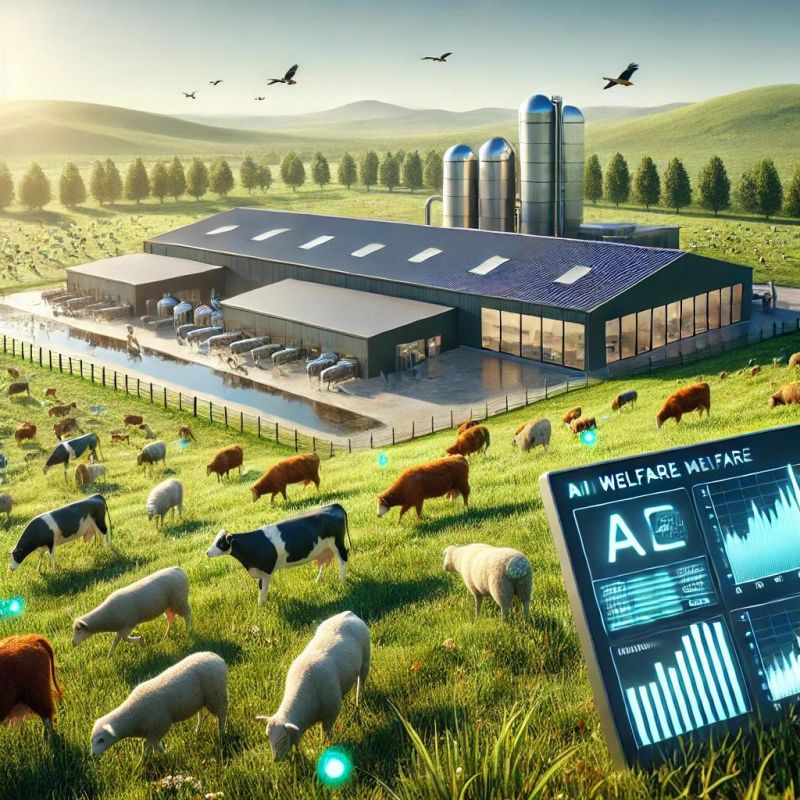
Precision Dairy Farming: Precision dairy farming involves the use of sensors, automated milking systems, wearable devices, and data analytics to monitor animal health, feeding behavior, milk yield, and reproductive status. These technologies enhance productivity and resource efficiency.
Artificial Intelligence and Digital Tools: Artificial intelligence and mobile applications assist farmers in disease diagnosis, ration balancing, weather forecasting, and market access. Digital platforms improve communication between farmers, veterinarians, and extension workers.
Genetic Improvement: Advanced breeding technologies such as artificial insemination, embryo transfer, and genomic selection improve dairy cattle productivity and disease resistance.
Cold Chain and Processing Technologies: Efficient milk collection, storage, transportation, and processing systems reduce milk spoilage and food wastage.
Government Policies and Institutional Support: Government initiatives and institutional support are essential for promoting sustainability in the dairy sector. Policies should focus on:
* Promotion of climate-smart dairy farming
* Strengthening veterinary and extension services
* Financial support for biogas plants and renewable energy
* Encouraging fodder development programs
* Capacity building and farmer training
* Development of milk cooperatives and farmer producer organizations
In India, organizations such as National Dairy Development Board and dairy cooperatives have played a major role in improving milk production and farmer livelihoods.
Future Prospects
The future of the dairy sector depends on balancing productivity with environmental sustainability. Increasing consumer awareness regarding environmentally friendly and ethically produced dairy products is encouraging industries to adopt sustainable practices.
Research and innovation in feed technology, methane reduction strategies, disease control, and renewable energy will further strengthen sustainable dairy production systems. Integration of circular economy principles, where waste is reused as a resource, can make dairy farming more resilient and environmentally friendly.
Collaboration among governments, research institutions, dairy industries, extension agencies, and farmers is essential for achieving long-term sustainability in the dairy sector.
Conclusion
Sustainability in the dairy sector is essential for ensuring food security, environmental conservation, economic growth, and rural development. The dairy industry faces major challenges including greenhouse gas emissions, water scarcity, climate change, and waste management issues. However, adoption of sustainable practices such as efficient feeding, renewable energy use, manure management, climate-resilient farming, and technological innovations can significantly improve the sustainability of dairy systems.
A holistic approach involving farmers, policymakers, researchers, and industries is necessary to build a resilient and sustainable dairy sector for future generations. Sustainable dairy farming not only benefits the environment but also improves farmer livelihoods, animal welfare, and nutritional security across the world.
*********************