



India’s Dog Bite Epidemic: 30 Lakh Cases in Six Months
India’s Dog Bite Crisis: Over 30 Lakh Cases and 117 Rabies Deaths in Just Six Months
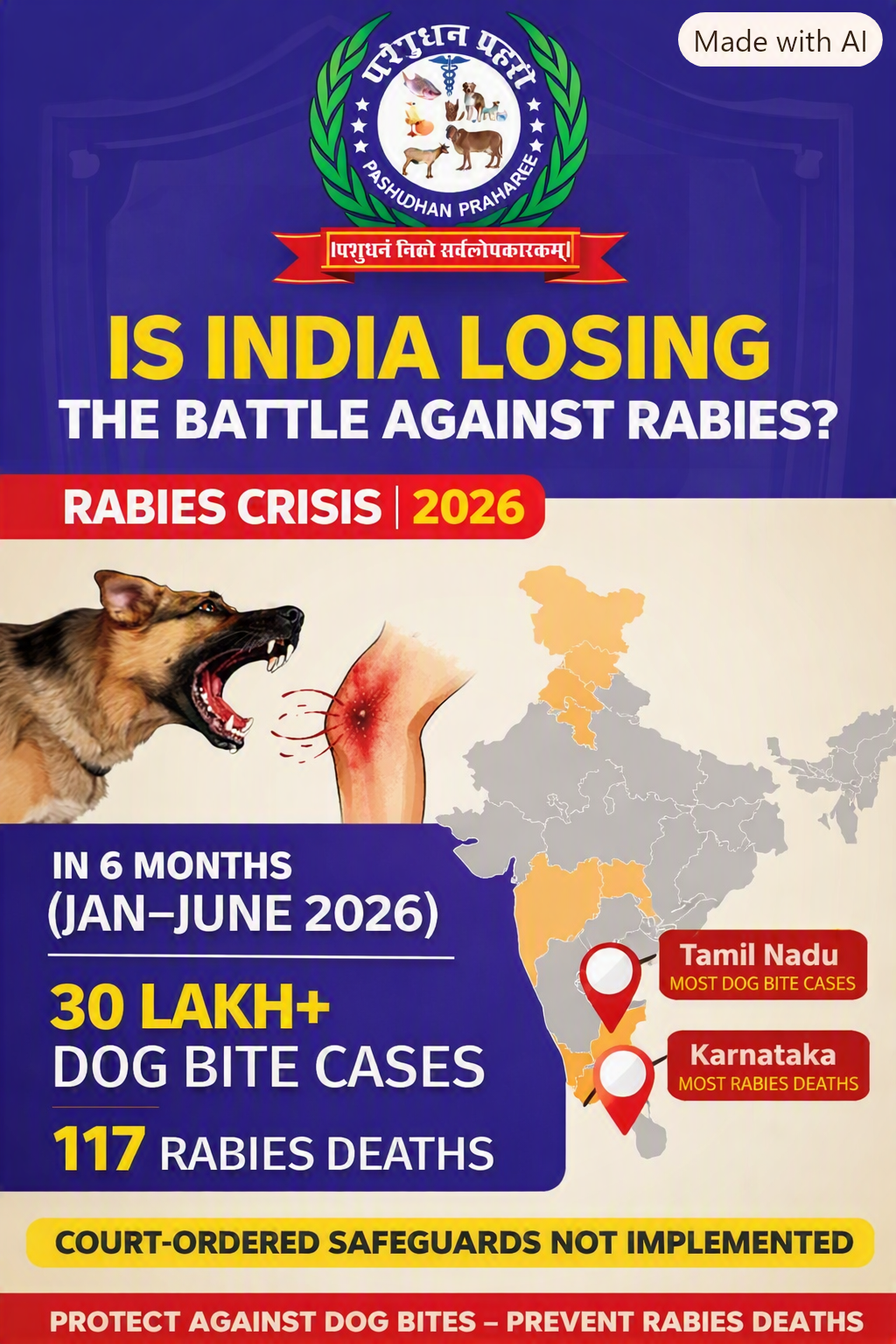
Between January and June 2026, India recorded a staggering 30,40,013 dog bite cases and 117 human rabies deaths, according to data released by the National Centre for Disease Control (NCDC) in response to an RTI. This translates to an average of 16,700 bite incidents every single day, underscoring the scale of the public health challenge.

Daily Reality: 16,796 Bites a Day
The monthly breakdown reveals the highest spike in January with 5,57,012 cases, followed by a gradual decline:
- February: 5,23,013
- March: 5,12,946
- April: 5,22,240
- May: 4,87,622
- June: 4,37,180
If this trend continues, India could cross 60.5 lakh dog bite cases in 2026, a sharp rise from 47.48 lakh cases in 2025. Since 2010, the cumulative number of reported dog bites has now reached 7.88 crore.
State‑Wise Snapshot
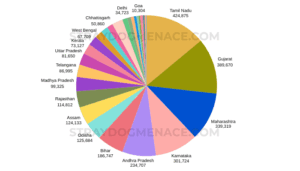
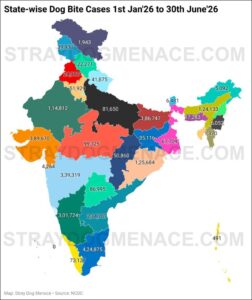
Five states alone accounted for nearly 56% of all cases:
- Tamil Nadu: 4,25,875 (highest)
- Gujarat: 3,89,670
- Maharashtra: 3,39,319
- Karnataka: 3,01,724
- Andhra Pradesh: 2,34,707
Punjab showed a worrying upward trend, with cases rising from 3,703 in January to 5,166 in June — a 40% increase.
Rabies Deaths: Karnataka Tops the List
While Tamil Nadu led in bite cases, Karnataka reported the highest rabies deaths (33). Other states recorded:
- Tamil Nadu: 24 deaths
- Maharashtra: 16 deaths
- Assam & Delhi: 8 each
- Gujarat & Meghalaya: 7 each
Court Orders vs Ground Reality
Despite Supreme Court directions in November 2025 to remove stray dogs from sensitive public spaces — schools, hospitals, bus stands, railway stations — implementation remains patchy. The Court reiterated in May 2026 that dogs removed from such premises must not be released back at the same locations, and feeding should only occur at designated sites.
Yet, municipal bodies continue to cite shortages of shelters, dog‑catching teams, veterinary infrastructure, and Animal Birth Control capacity as reasons for non‑compliance. Unregulated street feeding persists, exposing children, patients, commuters, and the elderly to preventable attacks.
The Human Cost of Delay
With over 30 lakh bites and 117 deaths in just six months, the consequences of administrative inertia are no longer theoretical. Judicial safeguards must move beyond paper orders to active enforcement, with High Courts holding local authorities accountable for lapses.