

Multifaceted Lantana camara weed: key considerations
Rinku Sharmaa*, Payal Bhatiaa, Bhagyashree Gopalrao Shingumarea, Gorakh Mala, Birbal Singha, Sunil Ekanath Jadhavb, Suma N.a, Gauri Jairatha, Devi Gopinatha, Ajayta Rialcha
aDisease Investigation Laboratory, ICAR-IVRI, Regional Station, Palampur, H.P., India
aDivision of Animal Nutrition, ICAR-IVRI, Izatnagar, Bareilly, U.P., India
Corresponding author *Email ID: rinkusharma99@gmail.com; rinku.sharma@icar.org.in (Rinku Sharma)
Abstract: This review examines the toxicological, nutritional, and medicinal effects of Lantana camara. Although Lantana is a toxic plant, it has various pharmacological properties, such as antioxidant, antimicrobial, antibacterial, antifungal, antiulcerogenic, and anthelmintic effects, due to its phytoconstituents. As per the current scenario, animal feed is becoming costly due to the limitations posed by protein sources. This plant shows a high level of protein in its leaves, and it could be used as a source of protein in animal diets. The toxic effects of Lantana as well as its potential use in animal diets has been discussed.
Introduction:
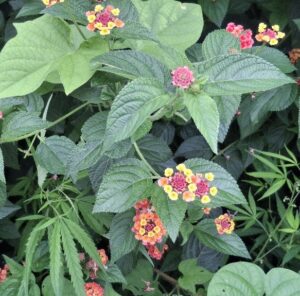
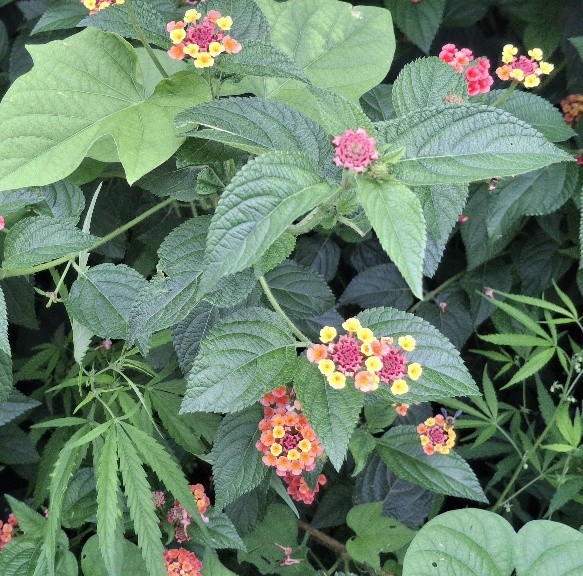
Lantana camara (Fig.1), considered one of the most detrimental invasive alien plants in terms of both ecology and economy, belongs to the family Verbenaceae (Kar et al. 2025). This weed’s red flower variation, L. camara var. aculeata, is mainly poisonous and typically found in tropical and subtropical regions. Triterpenoid compounds and their toxic metabolites are found in this plant. The main toxic pentacyclic triterpenoid is Lantadene A, present in this plant. In most of the animals, Lantana causes intrahepatic cholestasis, photosensitization, and hepatotoxicity.
In addition to ruminal stasis and photosensitisation, the afflicted animals exhibit anorexia, dehydration, and jaundice. The toxicity of Lantana causes fluctuation in hematological as well as biochemical parameters. Flavonoids, alkaloids, tannin, protein, catechin, phenol, saponin, steroids, anthraquinone, reducing sugar, and several triterpenoids containing important phytochemicals like verbascoside, linaroside, lanatoside, umuhengerin, ursolic acid, carminic acid, caprylic acid, and phytol have been found in the leaf, stem, and roots of Lantana.
According to Battase et al. (2021), Lantana has several beneficial effects on health and is used as a carminative, diaphoretic, tonic, antispasmodic, antiemetic, and remedy for respiratory conditions like bronchitis, asthma, colds, and coughs.
- camara is rich in protein, making it a possible alternative useful winter supplement after adequate treatment, for protein-deficient natural pastures in semi-arid areas. By supplementing mechanical and chemical techniques, employing biological controls like livestock such as goats, which are resistant to specific plant types, can benefit both the ecosystem and animal output, as it minimizes the proliferation and development of the plants while offering a high crude protein source for goats (Ntalo et al. 2022).
Lantana toxicity in animals
The toxicity of Lantana significantly contributes to illness and death in livestock. It impacts cattle, sheep, buffalo, goats, guinea pigs, rabbits, and female rodents. The leaves of this plant contain the harmful compound, lantadenes, which are pentacyclic triterpenoids. Lantadenes are categorized into primary constituents: lantadene A (LA), lantadene B (LB), lantadene C (LC), and lantadene D (LD) and secondary constituents: reduced lantadene A (RLA) and reduced lantadene B (RLB). Nonetheless, the primary toxic compound is lantadene A (Sharma et al. 2007).
Concerning the effects of plant toxicosis, it is generally observed that mortality rates alone do not offer precise assessments of economic losses. Indirect losses arising from morbidity, effects on weight gain, miscarriages, and congenital anomalies must also be prioritized (Abdisa et al. 2024). Numerous instances of Lantana poisoning have been documented in livestock. An experimental investigation in Red Kangaroos following the consumption of Lantana revealed signs of significant liver toxicity and subsequent photosensitization (Johnson and Jensen, 1998). Significant hepatotoxicity indicated by increased liver enzymes has been observed following the administration of its leaf powder in female Wistar rats (Ramirez et al. 2025).
In a case examined by Deepika et al. (2023), a crossbred Ongole bull with a history of consuming a harmful weed exhibited dermatitis accompanied by alopecia and skin shedding in several areas, including the brisket, peri-anal region, nasal area, and face. Research on guinea pigs has shown the dose-dependent liver and kidney toxicity of lantadenes following 90 days of sub-chronic exposure at the dose of 24 mg/kg body weight (Kumar et al. 2018). Prolonged ingestion of Lantana toxins may result in the advancement of sub-clinical disease, ultimately culminating in the animal’s death. Nevertheless, the reason for death in these instances is unclear because there is insufficient knowledge regarding the toxico-pathological impacts that might result from the sub-chronic consumption of Lantana leaves in grazing livestock (Kumar et al. 2018).
Signs and symptoms of Lantana toxicity
The organs most impacted in ruminants are the liver and kidneys. Clinical symptoms encompass hepatotoxicity, photosensitization, and chronic cholestasis, particularly in sheep and cattle. Livestock can develop sores around their mouth, nose, and muzzle. Ears and eyelids become swollen, and there is discharge from the eyes (Indira et al. 2024). Lantana toxicity appears within a few days following its consumption by grazing animals or when dry leaf powder is given orally.
Lantana toxicity can encompass three phases: the gastrointestinal system’s absorption and release of toxins; cholestasis, hyperbilirubinemia, and hyperphylloerythrinemia in the liver; and the build-up of phylloerythrin and bilirubin, leading to cellular injury (Sharma et al. 1988). Recent research documented acute necrotic hepatotoxicity, degenerative lesions, and cholestasis linked to spontaneous Lantana poisoning in dairy cattle (Silva et al. 2021).
In a case study by Meena et al. (2022), Sirohi goats that had ingested Lantana exhibited signs of anorexia, constipation leading to diarrhoea, icteric mucous membranes, and dark urine. Clinical assessment showed hair loss, redness, swelling, and irritation on the bare skin, along with shedding of the epidermis and discomfort in sunlight. A recent study found that poisoning from L. camara in a Sirohi goat kid indicated that plant consumption leads to phototoxicity and side effects such as anorexia, depression, eyelid swelling, shedding of the skin’s superficial layer, and skin itching (Singh et al. 2018).
Nutritional components of Lantana camara
Certain studies have shown that terpenoids, steroids, and alkaloids are key chemical components in L. camara (Sharma et al. 1989). Nonetheless, sesquiterpenes primarily including ß-caryophyllene, zingiberene, humulene, arcurcumene, gemacrene-D, and bisabolene, were identified as key components of essential oils in leaves and flowers.
Recent research indicates that the leaves of Lantana exhibit high protein content (24.84%) and may serve as a protein source in animal feed. The findings indicated that the leaf had phytate (41.06 mg/100g), tannins (3.35 mg/100g), and oxalate (280.75 mg/100g) as anti-nutritional components. Other proximate compositions of the leaf included: crude fibre (16.41%), ash (10.77%), crude fat (2.99%) and moisture (10.15%). The content of crude fiber aids in keeping food moving through the digestive tract and is decomposed by certain gut bacteria to supply energy. The ash content indicates the minerals contained in the leaf; the crude fat contributes to energy provision, and the moisture content relates to the plant’s shelf-life. The mineral analysis of L. camara leaves reveals the existence of phosphorus, calcium, manganese, sulfur, potassium, iron, magnesium, and copper. Thus, the leaf may also serve as a valuable source of the aforementioned minerals (Haruna et al. 2015).
Additionally, a study by Shamsee et al. (2019) indicated that lantadene A and B exhibit the highest scavenging activity, while icterogenin and lantadene C demonstrate a reduced antioxidant effect.
Medicinal properties of Lantana camara
Although there are some adverse impacts noted in the areas it has invaded, it is evidenced to have significant ethno-botanical and phyto-pharmaceutical possibilities. Phytochemical analysis indicates the existence of diverse bioactive substances categorized as flavonoids, alkaloids, sesquiterpenoids, and others, which account for their medicinal properties (Jain et al. 2025).
Lantadene: A, B, C, and oleanolic acid are present in a pentacyclic triterpenoid that has gained interest in pharmaceutical studies for its anti-cancer, antibacterial, AIDS, and anti-inflammatory properties. An antioxidant, umuhengerin, an antimicrobial is present in L. trifolia leaves, and ursolic acid, an anti-inflammatory triterpenoid is located in stems, leaves, and roots.
Extract from the leaves of Lantana that is rich in terpenes has shown greater antioxidant and antimicrobial properties than any solvent extract (Wagh et al. 2023). The methanol extract of L. camara leaves was studied for its superior repellent efficacy against Anopheles stepheni, recording an average of 2.63 mosquito landings, while the hexane extract displayed 3.17 landings in Ibadan, Nigeria (Rajesh et al. 2007).
- camara demonstrates encouraging anthelmintic characteristics, particularly regarding its possible application as a therapeutic agent, but its toxicity and safety require thorough assessment. Acute and chronic toxicity were noted in rats and mice, suggesting that the Lantana plant may be relatively safe when administered in suitable doses (Badgujar et al. 2025).
The essential oils extracted from Lantana leaves exhibited significant antifungal activity against various fungal strains, including Aspergillus niger, Penicillium digitatum, Aspergillus nidulans, Cladosporium herbarium, and Rhizopus nigricans, as demonstrated by the disc diffusion method. Another study indicated that the essential oil from Lantana leaves exhibited antifungal properties against Alternaria spp. (Nawaz et al. 2016).
Badakhsan et al. (2011) in some studies investigated the in vitro anti-cancer properties of L. camara. Various solvent extracts, including petroleum ether, chloroform, ethanol, and the aqueous extract of Lantana, are evaluated for anti-cancer potential, with the ethanolic extract demonstrating superior efficacy. The MTT assay was used to examine root and leaf extracts against Jurkat leukemia cells. The extract from its roots and leaves may be researched for additional identification and separation of novel anti-cancer compounds.
Preventive Measures:
- Collect details on this plant and attempt to eliminate it in the surrounding area to restrict grazing.
- Determine the factors such as temperature, moisture, humidity, etc., that make the harmful weed pose a threat to animals.
- Prevent the animals from entering that region where the risk of ingestion is more.
- Animals should be provided with sufficient water, salt, and other supplements.
- Recent research indicated that a bull which received supportive therapy combined with the feeding of banana stem (Musa balbisiana), resulted in a notable improvement in its condition, with symptoms diminishing and the animal progressively reverting to normalcy within 20 days post-treatment (Deepika et al. 2023). The juice from the stem of Musa balbisiana is recognized for its hepatoprotective effects and strong antioxidant qualities that stabilize the free-radicals generated by camara poisoning. The juice of the Musa balbisiana stem can also effectively protect against likely secondary bacterial infections due to its antibacterial activity (Kumar et al. 2012).
Conclusions:
The toxicity of the invasive species, Lantana camara, is widely recognized. In spite of its adverse effects, the plant offers several medicinal and nutritional benefits. This article outlines its beneficial effects and emphasizes the key results of several scientific studies conducted to uncover its function as animal feed as well as a few of its medicinal attributes.
REFERENCES
Badgujar KP, Patil V, Raut S, Sonar SV (2025) Anthelmintic potential of Lantana camara leaves. International Journal of Novel Research and Development, 10(4):571-583.
Battase L, Attarde D (2021) Phytochemical and Medicinal study of Lantana camara linn. (Verbenaceae) A Review. Asian J. Pharm. Clin. Res, 14(9):20-27. DOI:http://dx.doi.org/10.22159/ajpcr.2021v14i9.42444.
Badakhsan MP, Lachimanan YL, Sreenivasan S (2011) Cytotoxicity and oral acute toxicity studies of Lantana camara leaf extract. Molecules. 16:3663-74.
Deepika A, Gadige A, Karlapudi SK, Banothu AK (2023) Clinical management of Lantana poisoning by feeding banana stem-A case report. Haryana Vet. 62(SI): 131-132.
Haruna SS, Ahmed O, Titilayo J (2015) Nutritional and anti-nutritional composition of Lantana camara leaf, Journal of Invest. Biochem. DOI: 10.5455/jib.20150715120224.
Indira MN, Hamsa BM (2024) A review on the pharmacological toxicity of Lantana camara (Linn.) in ruminants. Indian Journal of Fundamental and Applied Life Sciences. ISSN: 2231– 6345. 14:1-5.
Jain V, Mittal V, Kunwar B (2025) Lantana camara L.: A Review of its Traditional Uses, Phytochemistry, Pharmacological Activities, and Toxicology. Trends Pharmacol. Toxicol. 1(1):65-85.
Johnson JH, Jensen JM (1998) Hepatotoxicity and secondary photosensitization in a red kangaroo (Megaleia rufus) due to ingestion of Lantana camara. J Zoo Wildl Med. 29(2): 203-237.
Kar P, Rajesh JB, Debbarma J, Christen C, Das M (2025) Lantana Toxicosis in animals. In Bio Vet Innovator Magazine. 2:1-6. https://doi.org/10.5281/zenodo.15624039.
Kumar R, Sharma R, Patil R, Mal G, Kumar A, Patial V, Kumar P, Singh B (2018) BMC Veterinary Research 14:129. https://doi.org/10.1186/s12917-018-1444-x.
Meena VK, Meena S, Choudhary SD (2022) Lantana poisoning in Sirohi goats in Bojunda, Chittorgarh. Haryana Vet. 61(SI): 128-130.
Ntalo M, Ravhuhali KE, Moyo B, Hawu O, Msiza NH (2022) Lantana camara: Poisonous Species and a Potential Browse Species for Goats in Southern Africa—A Review. Sustainability. 14:751. https:// doi.org/10.3390/su14020751.
Nawaz A, Adnan Ayub M, Nadeem F, Nasser J, Sabahi A (2016) International Journal of Chemical and Biochemical Sciences. IJCBS. 1052-1059.
Ramirez J, Armijos C, Espinosa-Ortega N, Castillo LN, Vidari G (2025) Ethnobotany, phytochemistry, and biological activity of extracts and non-volatile compounds from Lantana camara L. and semisynthetic derivatives-An updated review. Molecules. 30:10.3390/molecules30040851.
Rajesh D, Amita G, Mandal TG, Deshdeepak S, Vivek B, Gaurav AM, Lavekar GS (2007) Antimicrobial activity of some Indian medicinal plants. Afr. J. Trad. Cam. 4(3):313-318.
Silva EMS, Rosa RB, Molossi FA, Ribeiro PR, Almeida KGS, Pinheiro GF, Dalto AGC, Panziera W, Pavarini SP (2021) Acute necrotic hepatotoxicity caused by Lantana camara L. ingestion in dairy cattle. Brazilian Journal of Veterinary Research. DOI: 10.1590/1678-5150-PVB-6893.
Shamsee ZR, Al-Saffar AZ, Al-Shanon AF, Al-Obaidi JR (2019) Cytotoxic and cell cycle arrest induction of pentacyclic triterpenoids separated from Lantana camara leaves against MCF-7 cell line in vitro. Mol. Biol. Rep. 46:381–390.
Singh V, Agrawal M, Nagda RK, Sharma MC, Mordia A (2018) A case study of Lantana camara poisoning in Sirohi goat. Int. J. Rec. Sci. Res. 9:27953-27955.
Sharma OP, Sharma S, Pattabhi V, Mahato SB, Sharma PD (2007) A review of the hepatotoxic plant Lantana camara. Crit. Rev. Toxicol. 37: 313-352.
Sharma OP, Sharma PD (1989) Natural products of the Lantana plant- the present and prospects. Journal of Scientific and Industrial Research. 48:471-474.
Wagh AR, Ingale YN, Narkhedkar PS, Bhujbal OS, Survase Y (2023) Lantana camara. A valuable medicinal plant. International Journal of Novel Research and Development. ISSN: 2456-4184.
Fig. 1 Lantana camara weed