

Proper Housing: The First Line of Defence Against Animal Diseases
Dr. Prashant Tiwari¹, Dr. Nivedita Mishra²
¹Project Research Scientist (Veterinarian), ICMR–NIHR, Gorakhpur, Uttar Pradesh, India
²Department of Veterinary Medicine, Sardar Vallabhbhai Patel University of Agriculture & Technology (SVPUAT), Meerut, Uttar Pradesh, India
Introduction
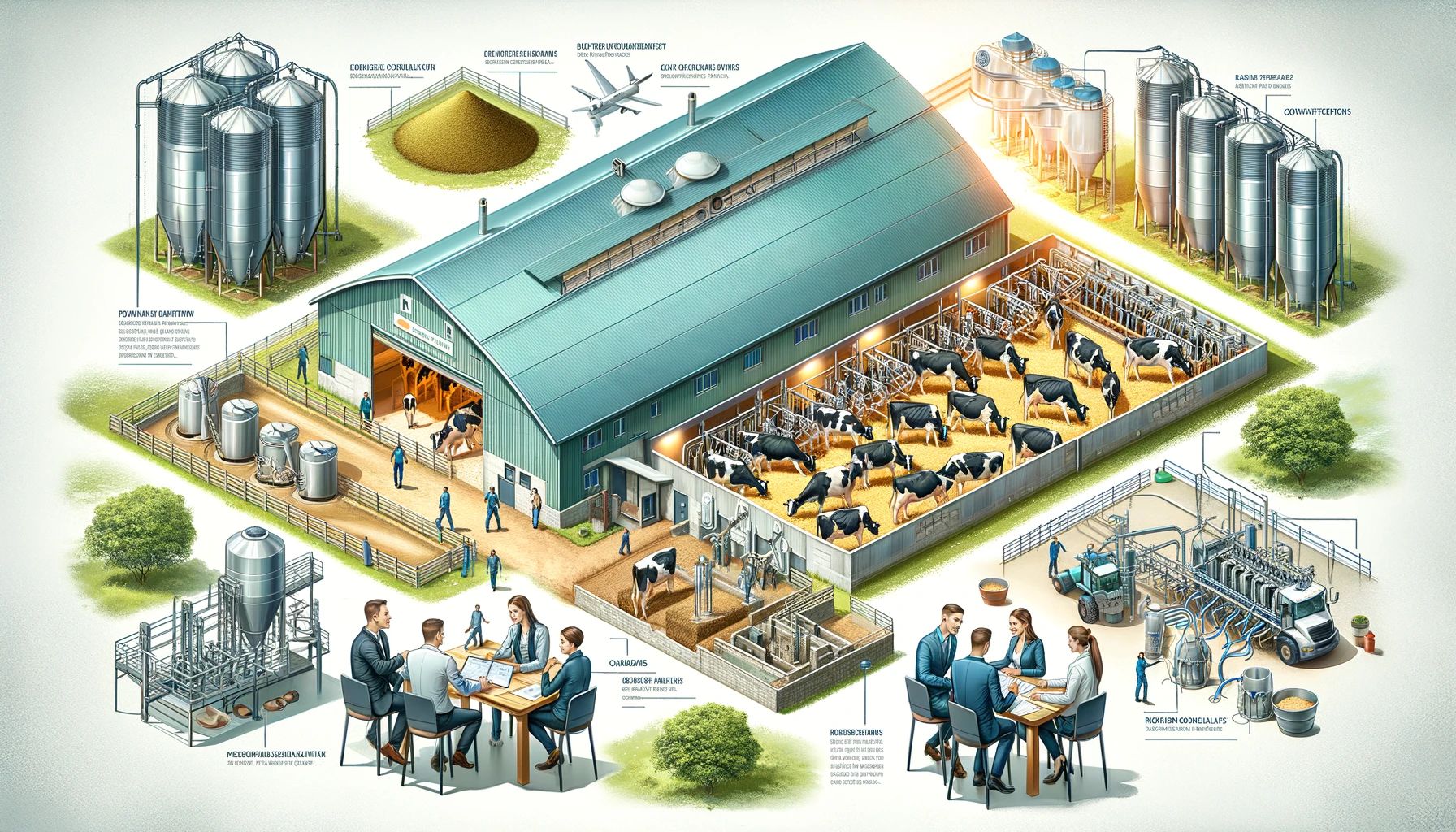
Livestock health is the foundation of profitable and sustainable animal farming. While farmers often emphasise nutrition, breeding, vaccination and treatment, one of the most important yet frequently neglected aspects is proper housing. A well-designed animal shed is much more than a shelter—it is the first barrier against disease. Scientific housing practices reduce stress, improve immunity, minimise disease transmission and enhance the overall productivity of livestock.
Why Proper Housing Matters
Poorly maintained animal sheds provide an ideal environment for bacteria, viruses, fungi and parasites to multiply. Damp floors, overcrowding, poor ventilation and inadequate sanitation expose animals to continuous infection pressure, resulting in increased disease incidence, reduced production and higher treatment costs. In contrast, clean, dry and well-ventilated housing promotes animal welfare, improves feed efficiency and supports optimum milk production, growth and reproductive performance.
Essential Housing Practices for Disease Prevention
Adequate Space
Every animal should have sufficient space to stand, lie down, feed and move comfortably. Overcrowding increases stress and facilitates the rapid spread of infectious diseases through direct contact, respiratory droplets and contaminated secretions.
Proper Ventilation
Adequate ventilation ensures a continuous supply of fresh air while removing excess moisture, dust and harmful gases such as ammonia. Good airflow significantly reduces respiratory diseases without exposing animals to cold drafts.
Clean and Dry Flooring
The floor should remain dry, non-slippery and properly drained. Wet and dirty floors predispose animals to foot rot, hoof disorders, dermatitis, mastitis and injuries. Daily removal of dung and urine is essential for maintaining hygiene.
Regular Cleaning and Disinfection
Routine cleaning followed by appropriate disinfection greatly reduces environmental contamination. Feeders, water troughs, floors and frequently contaminated areas should be cleaned regularly to prevent disease transmission.
Clean Feed and Safe Drinking Water
Nutritious feed and clean drinking water are essential for maintaining animal health. Feed should be stored in dry conditions, and water sources should be protected from contamination with dung, urine and other waste materials.
Isolation of Sick Animals
Animals showing signs of illness should be separated immediately from healthy animals. Isolation limits disease spread and allows close monitoring and effective treatment.
Quarantine of Newly Purchased Animals
Newly introduced animals should be kept under quarantine for at least two to three weeks before joining the existing herd. This practice helps prevent the introduction of infectious diseases into the farm.
Control of Flies, Mosquitoes, Ticks and Rodents
Vectors such as flies, mosquitoes, ticks and rodents play an important role in transmitting infectious diseases. Maintaining cleanliness, proper manure disposal and vector control measures effectively reduce their population.
Protection from Extreme Weather
Animals should be protected from excessive heat, cold, rain and humidity. Proper shade during summer and shelter from cold winds during winter reduce environmental stress and strengthen disease resistance.
Diseases Associated with Poor Housing
Unsatisfactory housing conditions commonly increase the occurrence of:
Poor housing conditions predispose livestock to a wide range of health problems, including respiratory diseases, mastitis, foot rot, lameness, diarrhoea, gastrointestinal infections, parasitic infestations, skin diseases and heat stress. These conditions not only compromise animal welfare but also reduce milk yield, impair reproductive performance and cause significant economic losses for farmers.
Role of Farmers
Disease prevention begins with daily observation. Farmers should regularly monitor animals for reduced feed intake, fever, abnormal behaviour, lameness or decline in milk production. Maintaining a clean shed, providing dry bedding, ensuring adequate ventilation and seeking timely veterinary advice can prevent significant economic losses.
Conclusion
Proper housing is one of the simplest, most economical and effective strategies for preventing diseases in livestock. It complements balanced nutrition, vaccination, biosecurity and veterinary care by reducing environmental stress and limiting disease transmission. Adoption of scientific housing practices not only improves animal welfare but also enhances productivity, profitability and the long-term sustainability of livestock farming.
“Healthy Housing Builds Healthy Animals, and Healthy Animals Build a Profitable Farm.”