

Avian Influenza Threats: Need for Scientific Assessment and Public Awareness
By Dr. Simant Kumar Nanda , Bhubaneswar
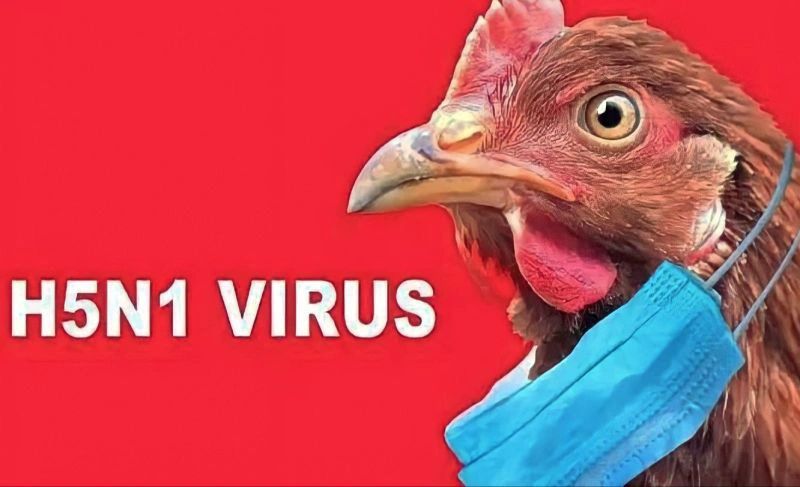
In recent months, the scare of bird flu, or avian influenza, has once again gripped poultry farmers as well as poultry consumers in India. News reports have highlighted outbreaks in poultry farms near Bhubaneswar, one of the key sources of broiler birds in the state. This is nothing new; the disease reappears at periodic intervals. The recurrence raises questions: why does it persist, and what can be done? Multiple factors contribute to these outbreaks, including the viral strains involved (commonly H5N1, H7N9, or H9N2), potential carriers such as non‑poultry birds, and the virus’s survival in local environmental conditions. Factors such as virus survival on non‑living surfaces, pH and environmental temperature, contamination in poultry excreta or water bodies, introduction of new birds from unverified sources, lapses in biosecurity measures, and the zoonotic potential of the virus all play roles. Effective and regular disease surveillance by competent veterinary authorities and timely forecasting remain essential to containment.
What is of greater public health significance is the global concern over the emergence of novel avian influenza strains with zoonotic potential. Highly pathogenic avian influenza (HPAI) viruses, especially H5N1 and its variants, have demonstrated the ability to jump from birds to mammals and potentially to humans. This has prompted global research efforts and reinforced the importance of bio‑surveillance to track and contain outbreaks. Rural farmers in Odisha and many other states often lack adequate knowledge of disease management. While Odisha has the Animal Disease Research Institute (ADRI) under the Directorate of Animal Husbandry & Veterinary Services, the state depends on the National Institute of High Security Animal Diseases (NIHSAD), Bhopal, for confirmatory diagnosis. Strengthening and equipping ADRI for high‑security diagnostic capacity would greatly benefit the state. At present, Odisha does not have an independent Veterinary Public Health structure to coordinate with human public health services.
Avian influenza is caused by influenza A viruses that primarily infect birds. Some subtypes, notably H5N1, H7N9, and H5N6, can infect humans. The concern is not only bird‑to‑human transmission but also the possibility of viral mutation enabling sustained human‑to‑human spread, which could trigger a pandemic. Recently, H5N1 has been detected in poultry, wild birds, and even mammals such as sea lions, foxes, and farmed minks, raising international alarms.
In India, poultry production contributes significantly to nutrition, rural income, trade, and food security. However, unregulated expansion of poultry farms—especially in peri‑urban and rural clusters—creates biosecurity challenges. Inadequate surveillance, poor disposal of dead birds, and limited awareness of zoonotic risks increase vulnerability. Seasonal outbreaks have occurred repeatedly, and evolving viral strains appear to increase the frequency of events. This underscores the importance of a One Health approach that integrates animal, human, and environmental health.
Odisha is especially vulnerable due to its abundant wetlands and water bodies, including Chilika Lake, where migratory birds nest in winter. There is currently no dedicated mechanism to systematically monitor these potential carriers. Sudden deaths of crows and other wild birds can serve as early epidemiological indicators of Highly Pathogenic Avian Influenza (HPAI) circulation in a locality. Species such as crows, mynas, peacocks, scavenger birds, and migratory waterfowl often act as natural carriers or sentinels for avian influenza viruses. Unexplained mortality among these birds has repeatedly preceded confirmed poultry outbreaks in India, as seen in past H5N1 incidents in Kerala, Rajasthan, Maharashtra, and Madhya Pradesh, where dead crows tested positive for the virus days before poultry farms were affected. Similar sentinel events have been documented globally with swans, geese, and corvid species. Monitoring and testing of wild bird mortality under proper biosafety measures is therefore an essential part of early warning systems. Incorporating such wildlife surveillance into state action plans fits into the One Health framework, helping prevent virus spillover to poultry and ultimately to humans.
The Animal Disease Research Institute (ADRI), Phulnakhara, plays a pivotal role in Odisha’s veterinary disease monitoring and research framework. Strengthening ADRI’s capabilities in advanced diagnostics, molecular surveillance, and epidemiological research will greatly enhance the state’s preparedness against avian influenza and other emerging zoonoses. By equipping ADRI with high‑security laboratory infrastructure, genomic sequencing facilities, and modern field surveillance tools, Odisha can contribute significantly to both state and national early‑warning systems. Expanding collaborative research through ADRI with national institutions like NIHSAD and international networks under the One Health approach will also help in timely detection of viral evolution, cross‑species transmission risks, and improved disease forecasting.
Internationally, countries like the United States, Canada, the UK, France, and the Netherlands have strengthened animal surveillance and veterinary public health systems. WHO, FAO, and WOAH have jointly emphasized the need for genome sequencing and wider testing of avian influenza viruses. In nations such as Cambodia, China, and Chile, human infections with H5 variants have led to strict control measures, including culling, live bird market closures, and vaccine trials. Scientists from institutions like the CDC and the Pasteur Institute have shown through genomic analyses how viral segments re‑assort in birds and mammals, creating new strains.
Laboratory diagnostics remain the backbone of early detection. Polymerase Chain Reaction (PCR) and Reverse Transcription PCR (RT‑PCR) are the gold standards for confirming avian influenza in birds and humans, providing results within hours. Viral genome sequencing helps trace origin, mutations, and host adaptation potential. In India, surveillance using these methods must be intensified, particularly in dense poultry farming zones across Andhra Pradesh, Tamil Nadu, Odisha, and West Bengal. Scientific evidence indicates that high‑density poultry clusters with inadequate waste management and proximity to wetlands pose a greater risk. Viral shedding from infected birds can contaminate water, soil, and feed, promoting cross‑species spread. WHO and FAO recommend regular cleaning, species separation, protective gear for workers, and immediate reporting of sick or dead birds. Unfortunately, these biosecurity practices are inconsistently followed in small‑scale farms.
One strategy for risk reduction is to encourage the consumption of poultry products from certified and regulated sources while discouraging unlicensed live bird sales. Promotion of processed and verified poultry products can reduce public exposure, similar to how pasteurization made milk safer. Globally, there is growing interest in poultry and high‑risk human population vaccination. Research teams, including those from the University of Pennsylvania and WHO’s Influenza Preparedness Group, are exploring mRNA and inactivated vaccines for birds and humans. However, vaccine development is time‑consuming and costly; prevention through surveillance and farm‑level biosecurity remains the most practical immediate solution. It is noteworthy that NIHSAD has developed an inactivated H9N2 avian influenza vaccine under the leadership of the late Dr. Harekrushna Pradhan, a proud son of Odisha, although its widespread adoption remains unclear.
The Government of India, through the Ministry of Animal Husbandry and Dairying, has created diagnostic networks under NADRS and recently launched the Animal Pandemic Preparedness Initiative (APPI) in collaboration with FAO and WHO. These initiatives aim to strengthen One Health platforms and genomic surveillance for emerging zoonoses. Their success, however, depends on inter‑departmental coordination, trained field veterinarians, and public cooperation. States like Odisha, with significant poultry populations and migratory bird exposure, require targeted measures. District Veterinary Offices must intensify testing of dead birds, monitor hatcheries and live bird markets, and raise community awareness. Farmers, including backyard poultry keepers, should be trained to detect early warning signs such as sudden mortality, bluish combs, or sharp drops in egg production, and to promptly report cases to local veterinary institutions. Active involvement of public health departments, medical colleges, and diagnostic laboratories is necessary for effective multi‑sectoral outbreak response.
Finally, safeguarding public health is a shared responsibility of farmers, consumers, veterinarians, doctors, administrators, and the media. Avian influenza is not an imaginary threat. Historical experience, including the 1918 Spanish flu and the 2009 H1N1 pandemic, illustrates that animal influenza viruses can have global human consequences. Vigilance today may prevent a crisis tomorrow. With available scientific tools and lessons from past epidemics, we have an opportunity to act with foresight. Let us ensure that poultry remains a source of safe nutrition, not an unseen risk to health.
References
- WHO (2023). Avian influenza – situation updates. https://www.who.int
- CDC (2024). Highly Pathogenic Avian Influenza: Current U.S. Situation. https://www.cdc.gov
- FAO and WOAH Joint Risk Assessments (2023–24) on H5N1 spread in poultry and wild birds
- Richard, M. et al. (2023). Transmission of avian influenza virus to mammals. Nature Reviews Microbiology, 21(5), 274–289
- Ministry of Animal Husbandry & Dairying, Govt. of India. NADRS & Animal Pandemic Preparedness Initiative (2024)
- European Food Safety Authority (2023). Avian Influenza in Europe: Surveillance report
- WHO Influenza Preparedness and Response Team (2024). Advances in influenza vaccine development
- Templeton, K. et al. (2023). Genomic surveillance of H5N1 across continents. Lancet Infectious Diseases, 23(3), 155–165
Dr SIMANT KUMAR NANDA
Joint Director,Animal Wellfare (Retd)
Bhubaneswar , Odisha
drsimantkumarnanda@gmail.com