

Scientific Pig Farming in India: An Untapped Opportunity for Nutritional Security, Rural Livelihoods and Sustainable Growth
Deeksha Singh
Ph.D. Scholar, Department of Veterinary Medicine, College of Veterinary and Animal Sciences, G.B.P.U.A.T., Pantnagar, Uttarakhand, India
*Corresponding author email: deekshas9410@gmail.com
Applied for Award Category 6: Dr. Nagendra Sharma Award of Excellence in Veterinary Sciences and Livestock Research
Abstract
India continues to struggle with protein malnutrition in rural and tribal areas, while small and marginal farmers have few reliable income options. Pig farming, done scientifically, addresses both problems at once, though it rarely gets the credit it deserves. Pigs produce litters of 8 to 12 piglets every 114 days, convert kitchen waste and crop residues into usable protein and that too without competing for prime farmland. Despite these advantages, the sector remains largely unreformed. The 20th Livestock Census of 2019 counted 9.06 million pigs in India, a 12% fall from the previous census and average carcass weights remain stuck at around 39 kg, less than half the global average of 79 kg. Pork demand in India is nearly double what local production can supply. Improved breeding, proper housing, precision nutrition, biosecurity and value addition can change the economics of pig farming fundamentally. Pork is rich in complete protein, bioavailable iron, zinc and vitamin B complex, all of which are short in cereal-dominant diets. Beyond nutrition, pig farming generates dependable cash income for women and marginalised communities and pig manure converted to biogas or organic fertiliser reduces the enterprise’s environmental footprint. This article examines where the sector stands, what is holding it back, what science can deliver and where policy support is needed.
Keywords: Scientific pig farming, Nutritional security, Rural livelihoods, Sustainable agriculture, Indigenous pig breeds
Introduction
Among all livestock species, pigs stand out for one simple reason: they offer the highest biological efficiency of any common livestock species. A sow farrows twice a year, delivering 8-12 piglets each time and animals reach slaughter weight within 6-8 months under reasonable management. Their digestive system handles kitchen waste, crop residues and agro-industrial by-products that would otherwise be discarded (Calderón et al., 2017). A small landholding with a modest pig unit can generate substantial income without the capital requirements of cattle farming.
Yet this potential sits largely untapped. Most of India’s pigs are reared under traditional scavenging conditions where growth rates are poor, mortality is high and market access is weak. Scientific pig farming replaces guesswork with evidence across genetics, housing, feed formulation, disease control and marketing. In practice, scientific methods have helped more piglets survive and reach market weight in much less time. A stronger domestic pig sector directly supports the National Nutrition Mission and the Atmanirbhar Bharat initiative.
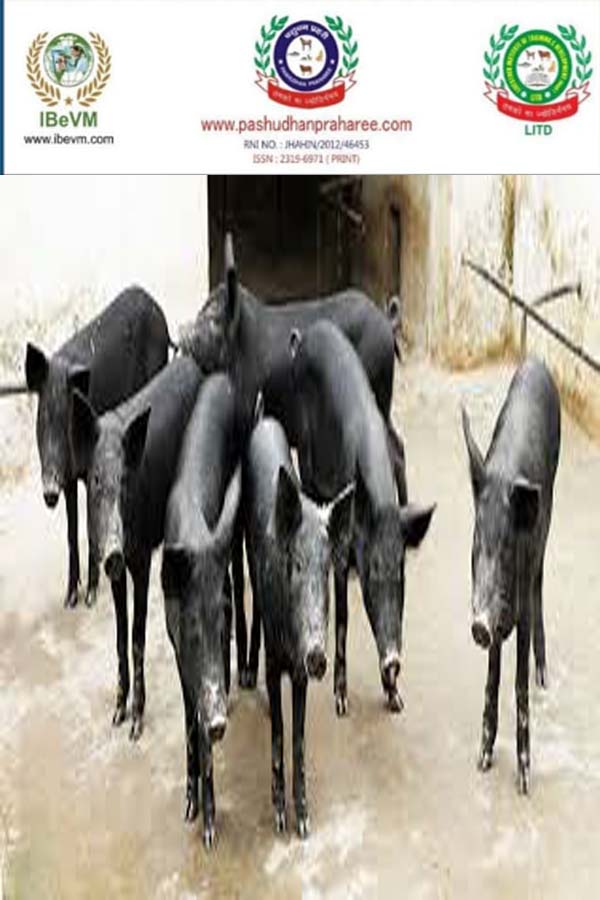
Figure 1: Scientific pig farming under improved management system enhances productivity and animal health.
- Current Status of Pig Farming in India
The 20th Livestock Census of 2019 placed India’s pig population at 9.06 million, about 1.7% of total livestock (DAHD 2019). The 21st Census concluded data collection in March 2025, but national aggregates are still being compiled. Early state reports suggest the declining trend from 2012 to 2019 has persisted, primarily because of African swine fever outbreaks. Assam holds the largest share with over two million animals, followed by Jharkhand, Meghalaya, West Bengal and Uttar Pradesh, which together account for close to half the national herd. Around 79% of animals are indigenous or non-descript breeds with slower growth and lower dressing percentages, explaining why average carcass weights are stuck at 39 kg against global norms of roughly 79 kg (ICAR-NRC 2024). Despite growing demand, pork accounts for just 4-5% of total meat production in India. Urbanisation, rising incomes and the expanding hospitality sector have pushed the supply gap to nearly 50%, yet almost all production still happens through smallholder units of 3-10 animals with minimal infrastructure.
2.Nutritional Security: The Untapped Potential of Pork
A 100-gram portion of lean pork delivers more than 20 grams of protein, containing all essential amino acids. It also supplies haem iron, which the intestine absorbs 2-3 times more efficiently than the non-haem iron in plant foods, along with zinc, thiamine, niacin and selenium. In rural diets dominated by cereals, regular pork consumption can improve child growth, support maternal health and strengthen immunity across age groups (NFHS-5 2021). National nutrition strategies have emphasised protein diversification for years, yet pork receives little promotion outside communities where it is already eaten. Scientific pig farming, with its focus on hygienic slaughter and handling, removes the safety concerns that have limited wider uptake and opens pathways into urban retail and institutional supply chains without requiring any large-scale land conversion.
- Economic Opportunities and Rural Livelihoods
Pigs turn investment into returns faster than most other livestock. A unit of eight sows, properly managed, can generate net returns exceeding two lakh rupees annually within the first full year. Field records from Tripura show an initial outlay of 2.3 lakh rupees producing a net profit of 2.23 lakh rupees after twelve months through scientific feeding, vaccination and record-keeping (Das et al., 2024). Daily weight gains rise from around 300 grams under traditional feeding to 600-700 grams with balanced rations and feed conversion ratios improve to roughly 3.5:1. Women handle most day-to-day management in backyard units, so scientific methods strengthen their financial independence directly. Pigs act as a ready source of cash for families in times of need. Organised farmer groups can negotiate better and cut out middlemen. A stronger pig sector also creates ancillary employment in feed formulation, veterinary services, transport, cold storage and processing, multiplying economic benefits across agricultural economy.
- Environmental Sustainability and Climate Resilience
Pigs require considerably less land and water per kilogram of meat than cattle or sheep. Their manure serves two productive purposes: biogas generation, which can replace cooking fuel or generate electricity and organic fertiliser, which reduces dependence on chemical inputs. Integrated models linking pig pens to fish ponds and vegetable plots recycle nutrients efficiently and farmers in Assam and West Bengal running such systems have reported 30-40% reductions in feed expenditure and fertiliser use. Biogas capture also reduces methane emissions compared with open decomposition (Singh 2023). In flood-prone and hilly areas, elevated housing protects pigs more reliably than large ruminants, dependent on grazing. These same practices that improve farm profitability also align with India’s commitments under the National Action Plan on Climate Change, making scientific pig farming a practical contribution to both livelihood and climate goals.
Figure 2: Integrated pig farming system ensures waste recycling and sustainable agriculture
- Key Challenges Hindering Growth
5.1 Socio-cultural Barriers
In large parts of India, cultural and religious associations with pigs in Hindu and Muslim communities in particular restrict the flow of mainstream financing, limit the reach of training programmes and constrain market development. Pig farming remains concentrated among tribal, Christian and certain Scheduled Caste communities, which reduces both its geographic spread and its visibility to policymakers who set budgets and programme priorities (Katiyar).
5.2 Disease Pressure and Biosecurity Gaps
African swine fever is the sector’s most serious problem right now. Since its first detection in India in 2020, the virus has reached 22 of 28 states. In 2025 alone, Mizoram recorded 9,711 deaths and 3,620 culls, with losses totalling 114.64 crore rupees across 3,867 affected families. Assam has reported outbreaks in 30 districts with hundreds of epicentres (Singh et al., 2025). There is no vaccine. Control depends entirely on strict biosecurity, rapid culling and movement restrictions, all of which demand coordination and resources that many rural communities do not have. Classical swine fever, foot-and-mouth disease and various parasitic infections add further mortality pressure in poorly managed units.
5.3 Feed Quality and Input Costs
Many farmers rely on kitchen waste, which limits growth rates and creates nutritional imbalances. Commercial concentrates can close the gap but push up costs to levels that squeeze margins for smallholders. The economics of feed formulation need more attention, particularly the potential of locally available ingredients.
5.4 Marketing and Value Chain Limitations
Slaughter infrastructure is rudimentary across most of the country. Value addition, such as sausages, ready-to-cook products and pickles, accounts for less than 2% of output. Supply chains are fragmented and middlemen capture a disproportionate share of the final price. The result is that farmers receive less than they should, which discourages the reinvestment needed to improve herd quality and farm infrastructure.
- Scientific Advancements in Pig Farming
6.1 Breeding and Genetics
14 indigenous breeds are now officially recognised, including Ghoongroo, Niang Megha, Doom, Tenyi Vo, Nicobari, Zovawk and Ankamali (Rajanna et al., 2024). These local breeds are adapted to regional conditions, tolerate disease better than exotic breeds and make efficient use of local feed resources. ICAR-National Research Centre on Pig at Rani, Guwahati has developed crossbred varieties, namely Rani, Asha, HD-K75 and Jahrsuk, by combining indigenous hardiness with the faster growth of exotic breeds. Just one generation of improved crossbreeding can increase meat yield by 20-30 kilograms per animal (ICAR-NRC 2024). Artificial insemination programmes allow superior genetics to spread without the biosecurity risks of transporting live animals.
6.2 Housing and Management Practices
Elevated slatted-floor sheds with proper ventilation, drainage and separate pens for different production stages reduce moisture and helps to prevent disease spread. A functional 400-square-foot unit can be built under 1.5 lakh rupees, manageable with available subsidies and productivity gains justify the cost quickly.
6.3 Nutrition and Feeding Strategies
Rations built around rice bran, oilseed cakes, mineral mixtures and on-farm sources like Azolla or duckweed push average daily gains from 300 grams to 600-700 grams (Saini et al., 2020). Kitchen waste and crop residues remain the economic foundation. Small adjustments to existing feeding practices can produce large changes in growth rates.
6.4 Health Management and Biosecurity Protocols
Core interventions include vaccination against classical swine fever, foot-and-mouth disease and erysipelas, combined with footbaths, visitor restrictions, quarantine of new stock and systematic record-keeping. Early clinical monitoring allows rapid isolation that limits outbreak of diseases.
6.5 Processing and Value Addition
Small-scale processing of sausages, pickles and ready-to-cook products has delivered income increases of 30-50% and reduced post-harvest losses. The market for processed pork is growing and small farmers working together can meet this demand effectively.
6.6 Role of Research Institutions
ICAR-NRC on Pig serves as the national focal point for breed improvement, biosecurity training and value-chain development. Its outreach under the Tribal Sub Plan and Scheduled Caste Sub Plan has delivered hands-on training and starter stock to thousands of farmers across suitable regions.
- Government Policies and Support Schemes
The National Livestock Mission provides a 50% capital subsidy capped at 30 lakh rupees for breeder farms with at least 100 sows and 25 boars and 15 lakh rupees for smaller units of 50 sows and 5 boars (DAHD 2022). Individuals, self-help groups and farmer producer organisations are all eligible. The Animal Husbandry Infrastructure Development Fund extends interest subvention for feed plants, processing units and waste-to-energy projects. State departments and ICAR centres offer free training on housing, artificial insemination and disease control. Targeted allocations under the Tribal Sub Plan and Scheduled Caste Sub Plan direct support to weaker sections. The instruments are in place; the challenge is ensuring they reach the farmers who need them.
- Successful Case Studies
In Assam, Namrata Pegu received training from ICAR-NRC on Pig and introduced dried Azolla supplementation alongside strict biosecurity measures. Within a year she had sold 32 piglets and finished animals, netting returns above two lakh rupees (ICAR-NRCP, Rani, Guwahati). In Manipur, Kangabam Indira Devi set up an integrated unit combining pigs, ducks and vegetables with guidance from a Krishi Vigyan Kendra. Her post-training income exceeded two lakh rupees while also producing organic vegetables for local sale. Similar outcomes have been documented in Tripura, West Bengal and Kerala. Across these cases, survival rates rose 15-20% and growth rates improved by around 25% within two production cycles (Krishi Vigyan Kendra, Thoubal). The science works. What varies is how widely it is being applied.
- Technological Innovations and Future Prospects
Mobile applications for heat detection, weight monitoring and disease reporting are reaching pilot farmers in several states. Biogas plants paired with solar-powered chillers are enabling cold chains in remote areas, making marketing viable where it previously was not. Genomic selection tools under development at ICAR institutes should accelerate genetic gains further. Indian pork also has export potential in neighbouring countries that already import it, provided traceability and residue-free standards are met. Convergence of nutrition policy, skill development programmes and climate adaptation funding create real possibilities for scaling the sector significantly if institutional coordination supports it.
- Strategic Recommendations for Scaling Up
- Posting of dedicated pig development officers at district level with mobile diagnostic kits.
- Establish additional breed multiplication centres to maintain a steady supply of quality piglets.
- Launch a national African swine fever control programme with rapid testing, timely compensation and mandatory biosecurity certification.
- Encourage farmer producer organisations to procure inputs together and access markets directly.
- Include scientific pig farming in agriculture and veterinary college courses and rural skill training programmes.
- Make insurance and loans available to farmers who adopt scientific farming methods
- Promote low-cost biogas and integrated farming models through convergence with renewable energy schemes.
- Develop export-oriented processing clusters that comply with international sanitary standards.
Conclusion
Scientific pig farming directly addresses three pressing challenges: nutritional deficiency, rural income instability and environmental pressure on agriculture. Pigs are among the most efficient converters of low-value inputs into high-quality protein. Strong indigenous breeds, tested scientific methods, active research institutions and government support schemes are all already in place. African swine fever has set the sector back and made clear what the cost of weak biosecurity looks like, but documented success stories from Assam, Manipur, Tripura and other areas show equally clearly what consistent science can deliver. What is needed now is coordinated effort among farmers, researchers, banks and policymakers to build on existing successes. With this, pig farming can grow from a small-scale community activity into a major contributor to nutrition, income and rural development across India.
References
- 20th Livestock Census – (2019) All India Report. Department of Animal Husbandry and Dairying, Ministry of Fisheries, Animal Husbandry & Dairying, Government of India. Available at: https://dahd.gov.in/sites/default/files/2019-12/20thLivestockCensusReport.pdf
- Das, P.J., Kumar, S., Meera, K. and Gupta, V.K. (2024) Strategizing production enhancement through scientific pig breeding program. In: Better Livelihoods through Scientific Pig Husbandry (E-book). ICAR-National Research Centre on Pig, Guwahati & MANAGE, Hyderabad. p.7.
- International Institute for Population Sciences (IIPS) and ICF (2021). National Family Health Survey (NFHS-5), 2019-21: India Report. Mumbai: IIPS. https://dhsprogram.com/pubs/pdf/FR375/FR375.pdf
- Katiyar, S.S. A REVIEW ON THE ECONOMIC POTENTIAL, BREEDING PRACTICES, AND CHALLENGES IN PIG FARMING IN INDIA.
- Operational Guidelines of National Livestock Mission (NLM) – Re-aligned Scheme. Department of Animal Husbandry and Dairying, Ministry of Fisheries, Animal Husbandry and Dairying, Government of India. https://dahd.gov.in/sites/default/files/2023-11/NLMGuidelinesFinalApprovedByEC.pdf
- Raising Pigs, Raising Hopes: The Success Story of Piggery-based IFS farmer – Smt. Kangabam Indira Devi. Krishi Vigyan Kendra (KVK) Thoubal, Manipur (under ICAR-ATARI Zone VII). https://cms.kvk7.in/assets/uploads/1756965502.Success%20story%20piggery.pdf
- Rajanna, N., Saikiran, J., Shashank, J. (2024). Breeds of Pigs of India and its Productivity. In: Rana, T., Soto-Blanco, B. (eds) Good Practices and Principles in Pig Farming. Livestock Diseases and Management. Springer, Singapore. https://doi.org/10.1007/978-981-97-4665-1_2
- Saini, K.P.S., Roy, B., Lakhani, G.P., Aharwal, B. and Patel, D. (2020) Economical analysis of growing crossbred pigs fed with Azolla based diet: Original research paper. Parameters, 1: p.G2.
- Singh, N.M. (2023) Study on status of small-scale pig rearing in upland tribal areas of North East India. Journal of Livestock Science, (14).
- Singh, N.S., Gonmei, C., Lucy, E. and Singh, T.S. (2025) African Swine Fever: A Growing Threat for India’s Pig Sector.
- ICAR-National Research Centre on Pig (ICAR-NRCP), Rani, Guwahati, Assam. http://nrcpig.res.in/pdf/Success_story%20_%20Namrata(1).pdf
- Success Story of a Budding Farm-Entrepreneur through Pig Farming (Namrata Pegu). ICAR-National Research Centre on Pig, Rani, Guwahati. Available at: https://nrcpig.res.in/success_stories.php
- Singh, N.M., 2023. Study on status of small-scale pig rearing in upland tribal areas of North East India. Journal of Livestock Science, (14).
- Calderón Díaz, J.A., Berry, D.P., Rebeiz, N., Metzler-Zebeli, B.U., Magowan, E., Gardiner, G.E. and Lawlor, P.G., 2017. Feed efficiency metrics in growing pigs. Journal of Animal Science, 95(7): 3037-3046.