

Women Veterinarians Shaping Innovation in Animal Healthcare
A.SHEEBA
ASSISTANT PROFESSOR
TANUVAS- REGIONAL RESEARCH AND EDUCATIONAL CENTRE,
PUDUKKOTTAI
Animal healthcare has undergone remarkable transformation over the past few decades, driven by scientific advancement, technological innovation, and an increasing recognition of the One Health concept linking animal, human, and environmental well-being. At the forefront of this transformation stands a powerful and inspiring force — women veterinarians. Across India and the world, women professionals in veterinary science are not only excelling in clinical practice but also pioneering innovation in diagnostics, research, disease prevention, livestock productivity, extension education, and public health.
The rise of women veterinarians represents more than a demographic shift; it symbolizes resilience, competence, compassion, and scientific leadership. Today, women veterinarians are shaping the future of animal healthcare by integrating cutting-edge research with grassroots-level impact, ensuring sustainable livestock production, improved animal welfare, and enhanced rural livelihoods.
Breaking Barriers and Building Leadership
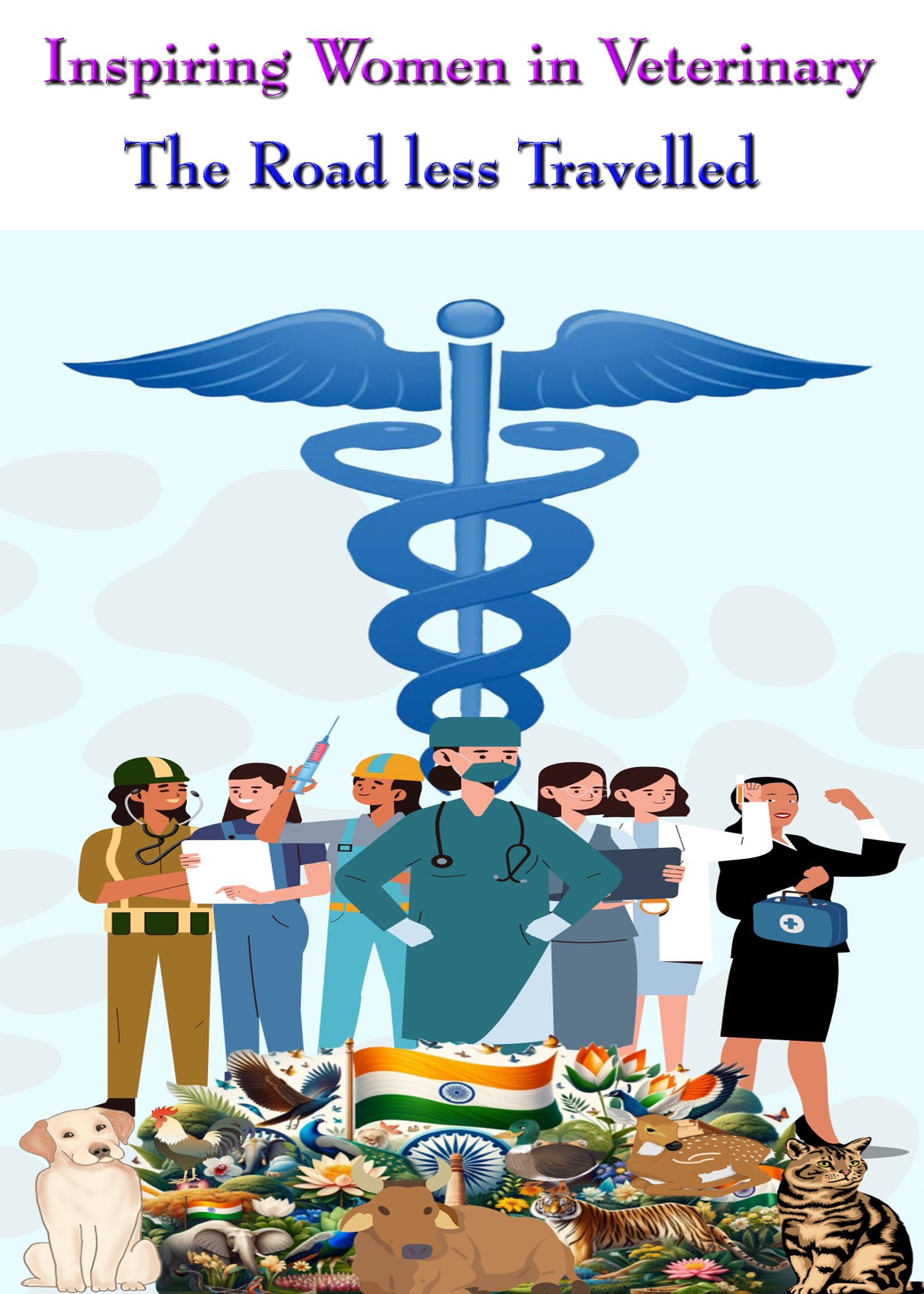
Historically, veterinary science was perceived as a physically demanding and male-dominated profession. However, women have steadily challenged this perception through academic excellence and professional dedication. With increasing enrollment of women in veterinary colleges, the profession is witnessing a paradigm shift. Women veterinarians are occupying roles as clinicians, academicians, researchers, epidemiologists, policy advisors, entrepreneurs, and extension specialists.
Their leadership is evident not only in hospitals and laboratories but also in rural fieldwork, disease surveillance programs, farm management systems, and national livestock missions. The transformation reflects the capacity of women professionals to combine scientific rigor with empathy — a quality crucial in animal healthcare.
Innovation in Clinical Practice
Clinical veterinary practice has evolved with advancements in imaging, minimally invasive surgery, telemedicine, and digital health monitoring systems. Women veterinarians are embracing these technologies and integrating them into routine practice. From ultrasonography and endoscopy to digital radiography and mobile-based herd health applications, women clinicians are making veterinary care more accessible and precise.
Tele-veterinary services, particularly in remote rural regions, have become an innovative solution to address the shortage of veterinary services. Women veterinarians are utilizing digital platforms to guide farmers in disease identification, vaccination schedules, and emergency management. Such initiatives reduce mortality, improve productivity, and minimize economic losses.
Moreover, women practitioners are increasingly specializing in companion animal medicine, wildlife health, and exotic animal care — sectors that demand advanced diagnostic expertise and compassionate communication with animal owners.
Research and Molecular Advancements
One of the most significant contributions of women veterinarians lies in research and diagnostic innovation. In areas such as parasitology, microbiology, pathology, pharmacology, and biotechnology, women researchers are contributing to the development of rapid diagnostic kits, molecular detection methods, and improved therapeutic protocols.
The application of molecular tools such as Polymerase Chain Reaction (PCR), gene sequencing, and biomarker identification has revolutionized early disease detection. Women scientists are actively involved in studying emerging and re-emerging diseases, zoonotic infections, antimicrobial resistance, and parasitic burdens affecting livestock. Their research supports evidence-based disease control strategies and strengthens national disease surveillance systems.
By integrating laboratory research with field epidemiology, women veterinarians contribute to sustainable livestock management and improved food safety standards.
Strengthening Livestock Productivity and Rural Livelihoods
India’s rural economy is deeply dependent on livestock farming. Dairy, sheep, goat, poultry, and pig farming provide income and nutritional security to millions of households. Women veterinarians play a critical role in strengthening livestock productivity through scientific advisory services.
They design deworming schedules, vaccination campaigns, balanced feeding strategies, and breed improvement programs. Through farmer training and extension activities, they empower rural communities with knowledge on preventive healthcare and scientific management practices.
Innovation in animal healthcare is not limited to laboratories; it also occurs in villages where veterinarians translate research findings into practical solutions. Women professionals excel in this domain by communicating effectively with farmers, understanding grassroots challenges, and promoting low-cost, sustainable interventions.
One Health and Public Health Contributions
The One Health approach recognizes the interconnectedness of human, animal, and environmental health. Women veterinarians are actively contributing to zoonotic disease control, food safety surveillance, and environmental sustainability.
Outbreaks of diseases such as rabies, brucellosis, avian influenza, and leptospirosis demand coordinated responses. Women veterinarians participate in vaccination drives, awareness campaigns, and cross-sector collaborations with medical and public health departments.
Their role during disease outbreaks and pandemic preparedness highlights their importance in national health security. By ensuring safe milk, meat, and animal products, women veterinarians safeguard public health and strengthen food supply chains.
Extension Education and Capacity Building
Extension education is a cornerstone of veterinary service delivery. Women veterinarians are highly active in organizing farmer training programs, workshops, awareness camps, and community outreach initiatives. These programs focus on disease prevention, hygienic practices, scientific breeding, and nutritional management.
Through radio talks, television programs, digital media, and printed materials, women professionals disseminate knowledge to a wider audience. Their communication skills and empathetic approach enhance farmer participation and knowledge retention.
Capacity building at the grassroots level leads to improved disease reporting, timely intervention, and increased productivity. Thus, women veterinarians serve as change agents in rural transformation.
Entrepreneurship and Start-Ups in Veterinary Sector
Innovation is also reflected in veterinary entrepreneurship. Women veterinarians are establishing diagnostic laboratories, pet clinics, feed manufacturing units, vaccine distribution networks, and consultancy services. Start-ups focusing on animal nutrition supplements, herbal therapeutics, organic livestock farming, and pet wellness products are increasingly led by women professionals.
Such entrepreneurial ventures create employment opportunities, promote self-reliance, and strengthen the veterinary economy. Women-led innovations often emphasize sustainability, animal welfare, and eco-friendly practices.
Challenges and Resilience
Despite remarkable achievements, women veterinarians face challenges such as work-life balance, field safety concerns, gender bias, and limited representation in top policy-making positions. However, their resilience, determination, and professional competence enable them to overcome these barriers.
Supportive institutional policies, mentorship programs, flexible work environments, and leadership training can further enhance their contributions. Encouraging more women to participate in research grants, policy advisory boards, and international collaborations will strengthen innovation in animal healthcare.
Inspiring the Next Generation
Representation matters. When young students see women excelling as surgeons, scientists, farm managers, and professors, it inspires confidence and ambition. Women veterinarians serve as mentors and role models, encouraging girls from rural and urban backgrounds to pursue careers in veterinary science.
Their success stories demonstrate that innovation is driven by dedication and knowledge, not by gender. By fostering inclusive environments in veterinary institutions, the profession can harness the full potential of women professionals.
The Way Forward
The future of animal healthcare lies in precision diagnostics, digital herd monitoring, genomic selection, sustainable disease control, and integrated One Health strategies. Women veterinarians are already contributing significantly to these emerging domains.
To strengthen their impact, the following measures are essential:
- Increased research funding opportunities for women scientists.
- Leadership training programs in veterinary institutions.
- Promotion of women-led start-ups in animal healthcare.
- Enhanced safety and infrastructure support for field veterinarians.
- Recognition and awards celebrating women innovators.
With institutional encouragement and societal support, women veterinarians will continue to redefine standards of excellence and innovation.
Conclusion
Women veterinarians are not merely participants in animal healthcare; they are architects of innovation and drivers of transformation. Through clinical excellence, scientific research, rural outreach, public health initiatives, and entrepreneurial ventures, they are shaping a resilient and progressive veterinary ecosystem.
Their contributions strengthen livestock productivity, improve animal welfare, safeguard public health, and empower rural communities. As the veterinary profession advances into an era of technological sophistication and global health challenges, the leadership and innovation of women veterinarians will remain indispensable.
Celebrating and supporting women in veterinary science is not just about gender equity; it is about strengthening the very foundation of animal healthcare. The future is inclusive, innovative, and inspired — and women veterinarians are leading the way.