

ASPIRATION PNEUMONIA IN CATTLE – A FINANCIAL DRAIN TO CATTLE FARMERS
C. Jayanthy, H. Vijayakumar, M. Saravanan, S. Sree Nivethaa
Department of Veterinary Medicine,
Veterinary College & Research Institute, Theni 625 534.
Tamil Nadu
Corresponding author: C. Jayanthy, Associate Professor, Dept. of Veterinary Medicine, VC & RI, Theni. E – mail: vet_jayanthy@yahoo.com
—–
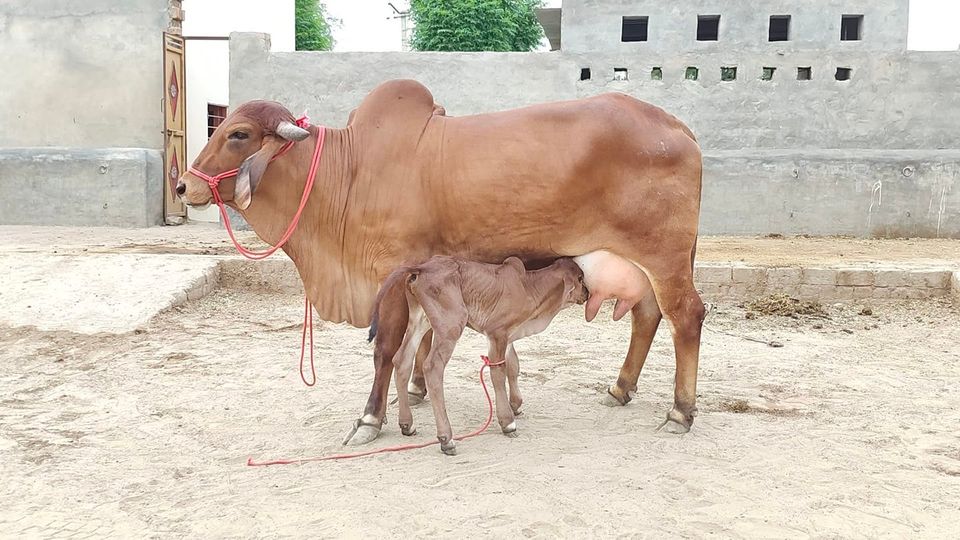
Ruminants are animals with four chambered stomach, where the food is stored in first chamber called the rumen. The content is called the cud which is regurgitated, chewed and swallowed. The process is called rumination. Cattle is a ruminant. Aspiration pneumonia is lung condition caused by inhaling foreign materials like food, liquids or other contents into the airways instead of rumen in ruminants. Aspiration pneumonia is one of the lesser known but serious respiratory condition affecting cattle. It occurs when foreign material such as feed, ruminal contents or even medicines accidentally enter the lungs instead of rumen. If not managed immediately these substances irritate the airways, trigger infection, inflammation and can quickly become life – threatening. History as told by the owner will be the vital clue for aspiration pneumonia in cattle. Meconium in newborn calves is one important cause of aspiration.
How does it happen?
Cattle are most vulnerable during certain situations
Post calving weakness: Cows lying down or in recumbency after calving due to mineral deficiencies or exhaustion due to prolonged labour or difficulty in calving.
Oral Medication Errors: Drenching or administration of medicine solutions too quickly can cause aspiration.
Regurgitation: Weak animals may regurgitate rumen contents which will then be aspirated
Sedation or Anaesthesia: Ruminants are generally not subjected to general anaesthesia due to the risk involved in aspiration of ruminal contents. Improper positioning during treatment will allow rumen contents to enter the respiratory tract.
Aspiration pneumonia is common in postpartum downer cows receiving oral therapies due to mineral deficiency consequent to high milk yield. The severity depends on materials inhaled, type of microorganism inhaled and distribution of foreign material in the lungs. Medicines and drench should be in the rate at which the animals can swallow. It should be confirmed before administering liquid medicines that there is no partial or complete obstruction in food path or else the drugs may get in to breathing path. Disturbance in normal swallowing mechanism, comatose animals or animals with deformities such as cleft palate can cause this condition.
TYPES OF ASPIRATION PNEUMONIA
- Chemical Aspiration Pneumonia: Inhalation of irritant substances like calcium solutions, drenches, oils, etc. as part of oral treatment causes direct chemical injury to lung tissue and rapid onset of damage to tissue.
- Bacterial Aspiration Pneumonia: Inhalation of feed or ruminal contents or contaminated fluids with bacteria causes bacterial aspiration pneumonia
- Foreign body aspiration pneumonia: Entry of solid particles (feed, fodder, foreign objects) into the lungs will cause mechanical obstruction or and secondary infection.
- Mixed Aspiration Pneumonia: Combination of chemical irritation and bacterial infection causes severe inflammation and systemic illness.
- Aspiration pneumonitis: Inhalation of sterile fluid without bacterial causes inflammation without initial infection as in during sedation or general anaesthesia.
SIGNS FARMERS SHOULD WATCH FOR:
The disease often develops suddenly. The warning signs include
- Rapid, labored breathing after oral drenching
- Exercise intolerance
- Fever and dullness, cough, nasal discharge and frothy secretions
- Abnormal breathing sounds
- Reduced appetite and weakness
- Signs of pain, arched back, reluctance to move
- Reduced milk yield
- Bluish mucous membranes
- Brownish or green nasal discharge with foreign substances depending on inhaled contents
If untreated the condition will progress to severe respiratory distress and death.
PREVENTION
- Farmers can reduce the risk by administering oral medicines slowly and only when the cow is upright
- Avoiding forceful drenching or dosing
- Monitoring the cows closely after calving, especially if they are weak or recumbent
- Seeking Veterinary help immediately if breathing problems seems to appear
- Prevention is better, as outcome is poor even with prompt treatment
If aspiration is suspected during oral administration of drugs aggressive treatment should be initiated immediately. Affected animals should be shifted to well ventilated cool housing area. Aspiration pneumonia is manmade. So, owners or caretakers should be trained properly. The owner should be warned or cautioned while administering medicines to animals with generalised weakness or in recumbency.
WHY AWARENESS MATTERS?
Aspiration pneumonia is not just a Veterinary concern. It has great economic impact on the income of farmers. Affected cows may lose productivity, delayed recovery after calving or even die leading to financial loss to farmers. Reports say that timely veterinary care can save valuable animals and prevent long-term complications. Nebulisation therapy is now proving valuable in livestock as well. It is high time that the primary veterinary care centres have the provision for the same.
Aspiration pneumonia is a silent but serious threat in dairy farming. By identifying the signs early and adopting rigorous management practices, farmers can save the lives of the animals with timely treatment, if recovery is possible. Prevention remains the best choice. Saving the cow saves the farmer’s livelihood.