

Role of veterinary science in Rural Development
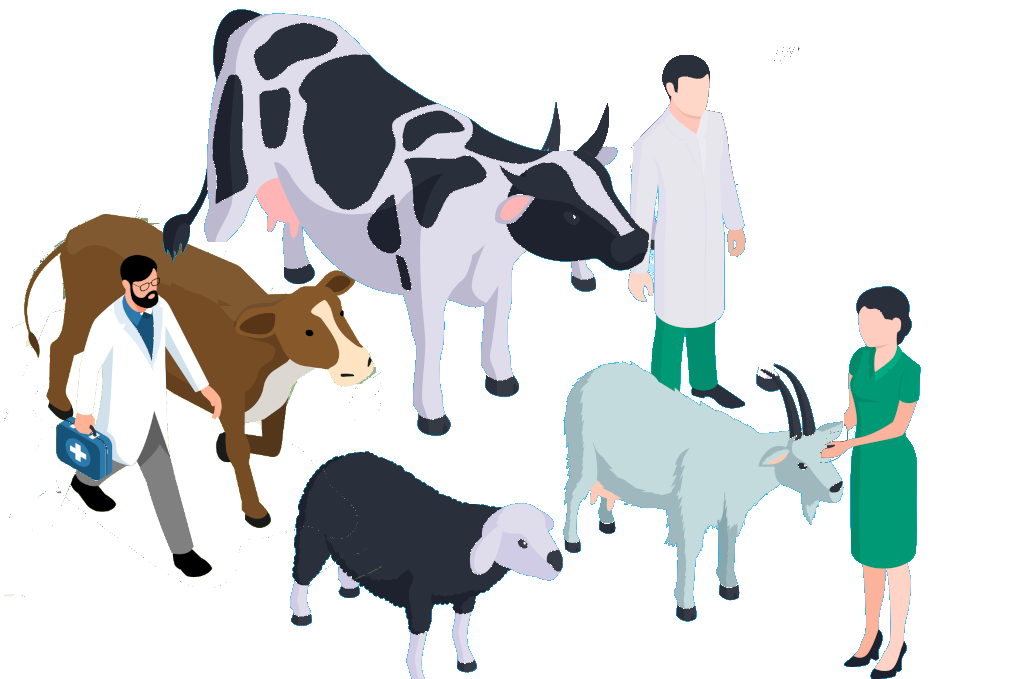
Veterinary science supports rural development by strengthening livestock based livelihoods, health system, and local economy.
Jobs beyond crops Dairy, goat farming, and poultry units depend on vets and para-vets. This creates rural employment as AI technicians, animal health workers, milk collection agents, and feed suppliers. It’s a year-round income source, not tied to monsoon.
Rural development in India and other agrarian economies is inseparable from the health and productivity of livestock. Over 70% of rural households depend on animals for income, nutrition, and agricultural support. Veterinary science acts as the backbone of this system by ensuring that animals remain healthy, productive, and safe for human use. Its role extends beyond treating sick cattle into economics, public health, and social equity
1.Enhancing Livestock Productivity and Income Livestock contributes nearly 30% of total agricultural output in India. Cattle, buffalo, goats, sheep, and poultry provide milk, meat, eggs, wool, and leather. Veterinary science improves this output through vaccination against diseases like foot-and-mouth disease, haemorrhagic septicaemia, and peste des petits ruminants. Regular deworming, mineral supplementation, and treatment of infertility increase milk yields and reproductive efficiency. Artificial insemination programs upgrade local breeds, producing cross-bred animals with higher genetic potential.For a small farmer, one healthy cross-bred cow can mean a steady monthly income of ₹5,000–₹8,000 from milk alone. Thus, veterinary intervention directly reduces poverty and income instability . Through several AI programmmes veterinary science has improved fertility among animals and milk production has been increased. Through sex sorted semen farmers are getting female calf and increased their productivity
- Employment Generation and Rural Entrepreneurship Animal husbandry is less dependent on monsoon than crop farming, making it a reliable livelihood. Veterinary services create a network of rural employment. Para-veterinarians, livestock extension officers, and artificial insemination workers operate in villages. Dairy cooperatives like Amul and state-run milk unions depend on veterinary infrastructure for animal health and quality checks. Poultry farms, goat rearing units, and piggery enterprises provide self-employment to youth and landless families. Mobile veterinary units and first-aid camps further create service-based jobs while extending reach to remote areas
.3. Food Security and Nutritional Improvement in milk, eggs, and meat are critical sources of protein, calcium, and micronutrients in rural diets. Malnutrition and anemia are widespread in villages, especially among women and children. By keeping livestock healthy and productive, veterinary science increases the availability of these foods at the household level. It also enforces food safety through ante-mortem and post-mortem inspections, milk testing, and control of residues. This ensures that animal products entering local markets are safe for consumption.
- Integration with Sustainable Agriculture Animals are integral to traditional farming systems. Bullocks and buffaloes provide draft power for plowing and transport, reducing fuel costs. Dung serves as organic manure, improving soil fertility and lowering dependence on chemical fertilizers. Veterinary care extends the working life of draft animals and maintains the quality of farmyard manure. Integrated farming, where crops, livestock, and fisheries are combined, becomes more viable when animal health is assured. This diversification makes rural households resilient to crop failure and market fluctuations
.5. Public Health and Zoonosis Control Over 60% of human pathogens are zoonotic, meaning they transfer from animals to humans. Rabies, brucellosis, anthrax, bovine tuberculosis, and avian influenza pose serious rural health threats. Veterinary science manages these through mass vaccination of dogs, testing of cattle, and surveillance of poultry. Village-level awareness programs teach safe handling of animals and proper disposal of carcasses. By controlling diseases at the animal source, veterinary services reduce the burden on rural healthcare systems and prevent loss of working days due to illness
.6. Social Development and Women’s Empowerment In most rural households, women are the primary caretakers of livestock. Activities like feeding, milking, and cleaning are handled by women, yet the income often remains under male control. Veterinary extension programs that train women in animal healthcare, clean milk production, and record keeping give them technical skills and bargaining power. Self-help groups linked to dairy or goat farming enable women to access credit and markets. This shifts household dynamics and contributes to gender equity in villages
.7. Disaster Management and Climate Resilience During floods and droughts, livestock are often the only movable asset rural families can save. Veterinary departments conduct emergency camps, provide fodder, and treat animals affected by disasters. Breed improvement programs also promote indigenous breeds like Sahiwal, Gir, and Black Bengal goat, which are heat-tolerant and disease-resistant. This helps rural communities adapt to climate change while preserving genetic resource.
.Conclusion Veterinary science is not confined to animal clinics. It is a tool for rural transformation that links health, economics, nutrition, and environment. When rural India thrives real development will occur.
THANKS
“