

ROLE OF VETERINARY SCIENCE IN RURAL DEVELOPMENT
Dr. Peer Rayees
Assistant Professor, School of Veterinary Sciences, Abhilashi University, Chail Chowk, Mandi, H.P.
Introduction
Rural development is one of the most important goals for developing nations because a large percentage of the population still resides in villages and depends upon agriculture and allied sectors for livelihood. Among the allied sectors, animal husbandry and livestock farming occupy a very significant position in strengthening the rural economy. Livestock not only provides food and income but also serves as an important source of employment, transportation, manure, social security and economic stability. In this context, veterinary science plays a vital role in improving the productivity, health and management of livestock resources, thereby contributing directly to rural development.
Veterinary science is a branch of science that deals with the prevention, diagnosis, treatment and control of diseases in animals. It also includes animal nutrition, breeding, management, public health, food safety, animal welfare, livestock production and research. The field of veterinary science has evolved tremendously over the years and now contributes not only to animal health but also to human health, environmental sustainability, food security and socio-economic progress.
In rural societies, livestock are often considered “living banks” because they provide financial support during emergencies, crop failures and natural disasters. Farmers depend upon cattle, buffaloes, sheep, goats, pigs, poultry and other domestic animals for milk, meat, eggs, wool, manure and draught power. Veterinary science helps improve the productivity and profitability of these animals through scientific healthcare and management practices.
The contribution of veterinary science to rural development extends beyond disease treatment. Veterinary professionals participate in livestock extension programs, public health campaigns, disaster management, women empowerment initiatives, environmental protection and rural entrepreneurship development. Veterinary science therefore acts as a bridge between scientific advancement and rural welfare.
In many countries, especially India, the livestock sector contributes significantly to agricultural GDP and supports millions of small and marginal farmers. Rural development policies increasingly recognize the importance of veterinary services in improving the standard of living of rural populations. Efficient veterinary infrastructure, disease surveillance systems, vaccination programs, breeding technologies and extension services are essential for sustainable livestock development.
The role of veterinary science becomes even more important in the present era due to increasing demand for animal products, emerging zoonotic diseases, climate change and the need for sustainable agricultural practices. Veterinary professionals are not only responsible for treating sick animals but also for protecting public health, ensuring food safety and maintaining ecological balance.
Historical Development of Veterinary Science in Rural Society
The relationship between humans and animals dates back thousands of years. Since ancient times, humans have domesticated animals for food, farming, transportation and companionship. As livestock became essential for survival and economic stability, the need for animal healthcare also emerged.
In ancient civilizations such as Egypt, Mesopotamia, India, Greece and China, traditional methods were used to treat sick animals. Ancient Indian texts such as the Vedas and works by scholars like Shalihotra describe animal diseases and treatments, indicating the existence of veterinary knowledge thousands of years ago.
With the advancement of agriculture and animal husbandry, veterinary science gradually developed into a specialized discipline. Modern veterinary medicine emerged during the eighteenth and nineteenth centuries with the establishment of veterinary schools and scientific research institutions.
In India, veterinary science gained importance during the colonial period due to the need for healthy draught animals and military horses. Later, the livestock sector expanded rapidly after independence, leading to the development of veterinary colleges, research institutes and animal husbandry programs.
The White Revolution in India demonstrated the transformative power of veterinary science in rural development. Through dairy cooperatives, artificial insemination, vaccination programs and veterinary extension services, milk production increased dramatically, improving the income and living standards of millions of rural households.
Today, veterinary science has become an indispensable component of rural development policies worldwide.
Veterinary Science and Livestock Health
Importance of Livestock Health
Livestock health is the foundation of profitable animal husbandry. Healthy animals grow faster, reproduce efficiently, produce more milk and meat, and resist diseases better than unhealthy animals. Disease outbreaks can cause severe economic losses due to mortality, reduced productivity, treatment expenses and trade restrictions.
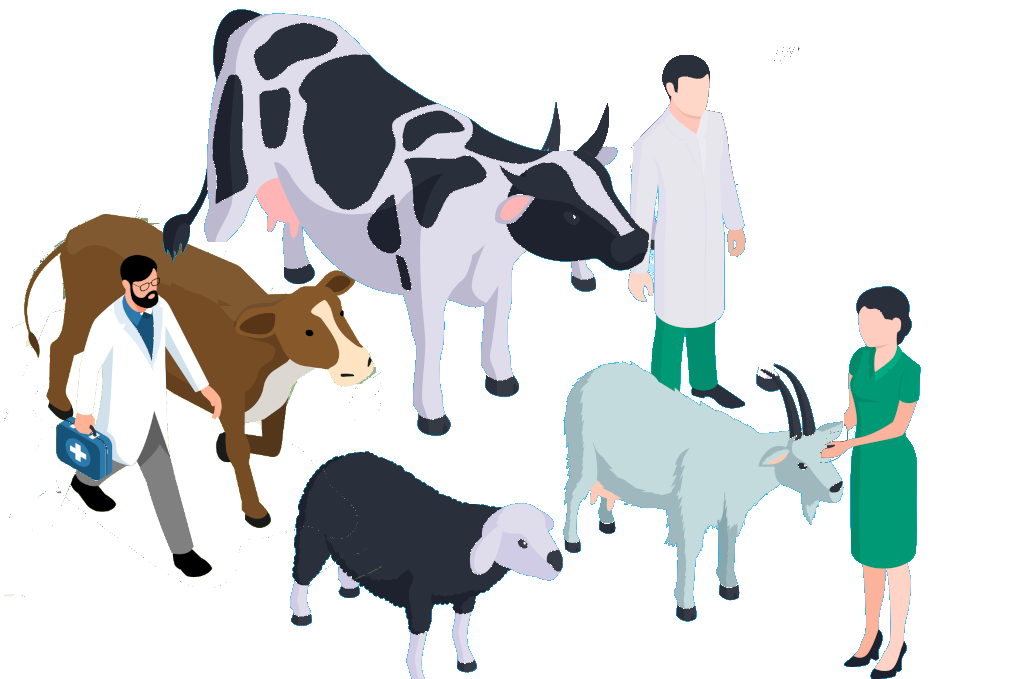
Veterinary science ensures animal health through preventive, diagnostic and therapeutic measures. Veterinary doctors and para-veterinary workers play an essential role in maintaining the health status of rural livestock populations.
Disease Prevention and Control
One of the most important functions of veterinary science is the prevention and control of animal diseases. Infectious diseases such as foot-and-mouth disease, brucellosis, anthrax, hemorrhagic septicemia, black quarter, peste des petits ruminants, newcastle disease and avian influenza can devastate rural economies.
Veterinary professionals implement vaccination programs, quarantine measures, biosecurity protocols and disease surveillance systems to prevent outbreaks. Mass vaccination campaigns have significantly reduced the incidence of many deadly diseases in livestock populations.
Disease prevention is economically more beneficial than disease treatment because it reduces mortality, production losses and healthcare expenses. Preventive veterinary medicine therefore plays a major role in strengthening rural livelihoods.
Diagnostic Services
Modern veterinary science uses advanced diagnostic techniques such as:
- Laboratory testing
- Radiography
- Ultrasonography
- Serological tests
- Molecular diagnostics
- Microbiological examination
Early diagnosis enables prompt treatment and prevents the spread of diseases within livestock populations. Rural veterinary hospitals and diagnostic laboratories therefore play a crucial role in livestock development.
Deworming and Parasite Control
Parasitic infestations significantly reduce animal productivity. Internal parasites cause weight loss, anemia, diarrhea and poor growth, while external parasites such as ticks and mites cause skin diseases and transmit infections.
Veterinary science promotes regular deworming programs and parasite control measures. Healthy animals exhibit better feed conversion efficiency, reproductive performance and productivity.
Veterinary Science and Dairy Development
Importance of Dairy Farming in Rural Areas
Dairy farming is one of the most important rural enterprises. It provides regular income to farmers and supports nutritional security through milk production. Millions of rural families depend on dairy animals for livelihood.
Veterinary science has greatly contributed to dairy development through scientific breeding, disease control, reproductive management and nutritional guidance.
Breed Improvement Programs
Low productivity of indigenous animals was historically a major challenge in dairy farming. Veterinary science introduced selective breeding and artificial insemination programs to improve genetic potential.
Crossbreeding indigenous cattle with exotic breeds increased milk yield significantly. Artificial insemination allows the use of superior germplasm and improves reproductive efficiency.
Veterinary professionals conduct:
- Pregnancy diagnosis
- Fertility treatment
- Estrus synchronization
- Semen preservation
- Embryo transfer technologies
These technologies have revolutionized dairy production in rural areas.
Nutritional Management
Balanced nutrition is essential for milk production and animal health. Veterinary experts advise farmers on:
- Fodder cultivation
- Silage preparation
- Concentrate feeding
- Mineral supplementation
- Feeding schedules
Scientific feeding improves milk yield, reproductive efficiency and disease resistance.
Mastitis Control and Milk Hygiene
Mastitis is a common disease affecting dairy animals and causing significant economic losses. Veterinary science promotes udder hygiene, proper milking techniques, and early treatment to control mastitis.
Clean milk production programs ensure hygienic handling of milk and improve food safety. High-quality milk fetches better prices and enhances consumer confidence.
Veterinary Science and Poultry Development
Growth of Poultry Farming
Poultry farming has emerged as one of the fastest-growing sectors in animal agriculture. It provides affordable protein in the form of eggs and meat and generates employment opportunities in rural areas.
Backyard poultry farming is particularly important for rural women and small farmers because it requires low investment and provides quick returns.
Poultry Healthcare
Veterinary science plays a critical role in preventing and controlling poultry diseases such as:
- Newcastle disease
- Coccidiosis
- Fowl cholera
- Infectious bursal disease
- Avian influenza
Vaccination programs, biosecurity measures,and proper management practices reduce mortality and improve productivity.
Scientific Poultry Management
Veterinary professionals guide poultry farmers regarding:
- Balanced nutrition
- Housing and ventilation
- Waste disposal
- Water sanitation
- Lighting management
- Feed efficiency
Scientific poultry farming increases egg production, meat quality and profitability.
Veterinary Science and Sheep and Goat Farming
Sheep and goat farming are important livelihood activities in arid, semi-arid, and hilly regions. These animals adapt well to harsh climatic conditions and require relatively low investment.
Veterinary science improves sheep and goat production through:
- Disease prevention
- Vaccination
- Parasite control
- Nutritional management
- Reproductive care
Diseases such as foot rot, enterotoxemia and peste des petits ruminants can severely affect productivity. Veterinary interventions reduce losses and improve survival rates.
Sheep and goats contribute to:
- Meat production
- Milk production
- Wool and fiber production
- Skin and leather industries
These activities support rural economies and employment generation.
Veterinary Science and Employment Generation
Direct Employment Opportunities
Veterinary science generates employment in:
- Veterinary hospitals
- Animal husbandry departments
- Dairy farms
- Poultry farms
- Research laboratories
- Pharmaceutical industries
- Feed manufacturing units
Veterinarians, livestock inspectors, technicians, laboratory staff and extension workers all contribute to rural employment.
Self-Employment Through Livestock Farming
Livestock farming itself is a major source of self-employment. Veterinary guidance helps farmers establish profitable enterprises such as:
- Dairy farming
- Poultry farming
- Pig farming
- Goat farming
- Fish farming
These enterprises provide income throughout the year and reduce dependence on seasonal agriculture.
Entrepreneurship Development
Veterinary science encourages rural entrepreneurship in:
- Veterinary pharmacies
- Hatcheries
- Milk processing units
- Meat processing plants
- Feed industries
- Artificial insemination centers
Such enterprises strengthen rural industrialization and economic growth.
Veterinary Science and Poverty Alleviation
Poverty is a major problem in rural areas. Livestock farming supported by veterinary services helps reduce poverty by increasing income and employment opportunities.
Animals serve as valuable assets for poor households. They can be sold during emergencies, crop failures or financial crises. Veterinary care increases the productivity and value of livestock.
Small-scale livestock enterprises are particularly beneficial for:
- Landless laborers
- Marginal farmers
- Women
- Tribal communities
Goat farming, backyard poultry and piggery require low investment and provide rapid economic returns.
Government livestock schemes supported by veterinary services have improved the socio-economic condition of millions of rural families.
Veterinary Science and Women Empowerment
Women contribute significantly to livestock management in rural households. They are involved in feeding, milking, cleaning and caring for animals.
Veterinary science empowers women economically and socially by improving livestock productivity and providing technical training.
Income Generation for Women
Dairy farming, poultry farming and goat rearing provide women with regular income and financial independence. Women often manage household-level livestock enterprises successfully.
Training and Skill Development
Veterinary extension programs train women in:
- Animal healthcare
- Vaccination
- Feed preparation
- Milk hygiene
- Poultry management
These skills improve women’s confidence, leadership and participation in rural development activities.
Role of Self-Help Groups
Women’s self-help groups engaged in dairy and poultry enterprises contribute significantly to rural economies. Veterinary support strengthens these enterprises and enhances women’s empowerment.
Veterinary Science and Food Security
Importance of Animal Products
Animal products are rich sources of:
- High-quality protein
- Calcium
- Iron
- Vitamins
- Essential amino acids
Milk, meat, eggs and fish are essential for balanced nutrition.
Increasing Livestock Productivity
Veterinary science improves animal productivity through:
- Disease prevention
- Scientific feeding
- Breeding technologies
- Reproductive management
Higher productivity ensures greater availability of nutritious food.
Combating Malnutrition
Malnutrition remains a major issue in rural populations. Increased production of milk, eggs and meat improves nutritional security, especially among children and pregnant women.
Veterinary Science and Public Health
Zoonotic Disease Control
Many infectious diseases are transmitted from animals to humans. Veterinary science protects public health by controlling zoonotic diseases such as:
- Rabies
- Brucellosis
- Tuberculosis
- Anthrax
- Avian influenza
Vaccination and surveillance programs reduce disease transmission risks.
Food Safety
Veterinarians inspect meat, milk, eggs and other animal products to ensure safety and hygiene. Slaughterhouse inspection and milk quality testing protect consumers from food-borne diseases.
One Health Concept
The “One Health” approach recognizes the connection between human health, animal health and environmental health. Veterinary professionals collaborate with medical and environmental experts to address global health challenges.
Veterinary Science and Agricultural Development
Livestock and agriculture are closely interconnected.
Draught Power
Bullocks, buffaloes, horses and camels continue to provide draught power in many rural areas. Veterinary care maintains their health and working capacity.
Organic Farming
Animal manure improves soil fertility and supports organic farming practices. Veterinary science promotes healthy livestock management that contributes to sustainable agriculture.
Integrated Farming Systems
Integrated farming combines crop cultivation, livestock farming, fisheries and poultry production. Veterinary science improves animal health within these systems and enhances overall farm productivity.
Veterinary Science and Environmental Sustainability
Waste Management
Improper disposal of animal waste causes environmental pollution. Veterinary experts advise farmers on scientific waste management practices.
Biogas Production
Animal dung is used for biogas production, providing renewable energy for rural households. Biogas reduces dependence on firewood and fossil fuels.
Sustainable Livestock Practices
Veterinary science promotes:
- Controlled grazing
- Efficient feeding
- Water conservation
- Reduced antibiotic misuse
These practices support environmental sustainability.
Veterinary Science and Animal Welfare
Animal welfare is an important aspect of veterinary science. Animals should be protected from pain, hunger, stress and cruelty.
Veterinary professionals promote:
- Proper housing
- Humane handling
- Adequate nutrition
- Disease prevention
- Ethical treatment
Good animal welfare improves productivity and reflects social responsibility.
Veterinary Extension Services
Veterinary extension services transfer scientific knowledge to farmers.
Farmer Education
Farmers are educated about:
- Vaccination
- Nutrition
- Disease prevention
- Reproductive management
- Clean milk production
Awareness Programs
Awareness campaigns improve farmer knowledge and adoption of scientific practices.
Mobile Veterinary Services
Mobile veterinary clinics provide healthcare in remote rural areas where veterinary infrastructure is limited.
Veterinary Science in Disaster Management
Natural disasters can severely affect livestock and rural livelihoods.
Veterinary professionals provide:
- Emergency treatment
- Vaccination
- Fodder management
- Rescue operations
- Disease surveillance
These services help communities recover economically after disasters.
Government Initiatives and Veterinary Services
Governments implement various programs to strengthen veterinary infrastructure and livestock development.
Examples include:
- National Livestock Mission
- Dairy development programs
- Vaccination campaigns
- Breed improvement projects
- Rural poultry schemes
Veterinary hospitals, dispensaries and laboratories improve access to healthcare services.
Challenges Faced by Veterinary Science in Rural Development
Despite its importance, veterinary science faces several challenges.
Inadequate Infrastructure
Many rural areas lack sufficient veterinary hospitals, medicines and diagnostic facilities.
Shortage of Veterinary Professionals
The ratio of veterinarians to livestock population is often inadequate.
Financial Constraints
Small farmers may not afford quality feed, medicines or advanced treatments.
Emerging Diseases
New and re-emerging diseases threaten livestock productivity and public health.
Climate Change
Climate change affects:
- Disease patterns
- Water availability
- Feed resources
- Animal productivity
Veterinary science must adapt to these changing conditions.
Technological Advancements in Veterinary Science
Modern technology is transforming veterinary services.
Biotechnology
Biotechnology improves:
- Vaccine development
- Disease diagnosis
- Genetic improvement
Telemedicine
Digital platforms enable remote veterinary consultation in rural areas.
Precision Livestock Farming
Sensors and automated systems monitor animal health and productivity.
Artificial Intelligence
AI-based systems assist in disease prediction and farm management.
Future Prospects of Veterinary Science in Rural Development
The future of veterinary science is closely linked to sustainable development and technological innovation.
Future priorities include:
- Climate-resilient livestock systems
- Improved disease surveillance
- Sustainable animal production
- Better veterinary education
- Expansion of rural veterinary infrastructure
- Strengthening public-private partnerships
Veterinary science will continue to play a crucial role in ensuring food security, public health and economic growth.