
Velvet Mite (Trombidium spp.): A Natural Harbinger of Monsoon and Pillar of Agro-Ecology in Traditional Weather Forecasting
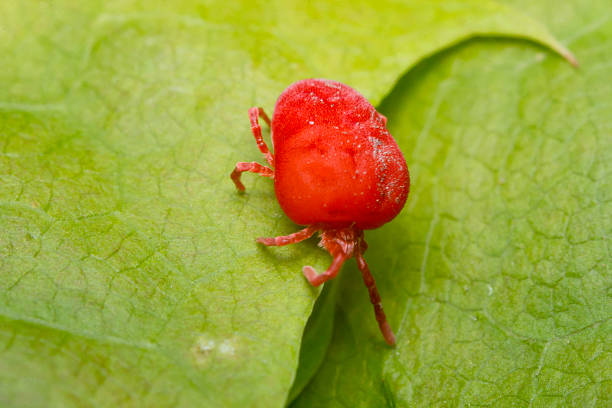
In the vibrant tapestry of rural India’s agro-ecological wisdom, few creatures have inspired as much awe and intrigue as the Velvet Mite, locally known as Bir Bahuti, Rakta Bhiga, or Lal Kida. Belonging to the genus Trombidium, this tiny, bright red arachnid has held a revered place in traditional weather forecasting, agriculture, and ecological balance. Emerging with the first showers of the monsoon, velvet mites are not just natural indicators of seasonal transition but are also vital players in the rural ecosystem.
Natural Harbingers of Monsoon
In many parts of India, particularly tribal and agrarian communities, the appearance of velvet mites signals the arrival of monsoon rains. Their sudden emergence from underground habitats is often seen after the first pre-monsoon showers, acting as an ecological calendar for sowing crops. Farmers, especially in central and eastern India, believe that the abundance of velvet mites is directly proportional to the intensity and consistency of the monsoon.
This phenomenon is rooted in Indigenous Technical Knowledge (ITK) and has been passed down for generations. Unlike modern meteorological forecasts, these observations rely on lived experience and biological cues from nature, reflecting the deep bond between traditional societies and their environment.
Role in Agro-Ecology
Beyond being symbolic indicators, Velvet Mites play a functional role in agro-ecosystems. These mites are predatory by nature, feeding on eggs and larvae of insects, including pests such as aphids, whiteflies, and other soft-bodied arthropods that harm crops. This natural pest control makes them invaluable allies in organic and sustainable agriculture.
Their role contributes to biodiversity conservation, reduced dependence on chemical pesticides, and enhanced soil health, all of which are crucial in building resilient farming systems. As agriculture moves toward sustainability and climate resilience, integrating such biological agents into the farming narrative becomes increasingly vital.
Ethnoveterinary and Cultural Significance
In many tribal cultures, velvet mites also have a symbolic and medicinal value. Traditionally, oil extracted from them was believed to have therapeutic properties, used in treating paralysis, arthritis, and sexual debility—though such uses are now discouraged due to ethical and biodiversity concerns.
Nevertheless, their revered status in folklore and ritual highlights the cultural biodiversity embedded in India’s rural life. Velvet mites are treated with respect, and children are often cautioned not to kill them due to their association with rain and prosperity.
Climate Change and Disappearing Indicators
With increasing deforestation, chemical pesticide use, and climate variability, velvet mite populations have seen a decline in certain regions. This has impacted traditional weather indicators, further distancing communities from their agro-ecological roots.
This loss isn’t just about a tiny creature but symbolizes a breakdown of indigenous knowledge systems that were once self-reliant and environmentally synchronized. There is now a growing need to document, conserve, and integrate such knowledge with modern science for a more inclusive understanding of weather and ecology.
Scientific Relevance and Conservation Need
From a scientific perspective, Trombidium mites are part of the class Arachnida and order Trombidiformes. Their life cycle includes a parasitic larval stage and a free-living adult stage. While research on their ecological functions is limited, initial studies affirm their role in soil food webs, natural pest regulation, and as indicators of soil moisture and organic matter.
Conservationists are advocating for recognizing such organisms in biodiversity registries and involving local communities in their protection. Inclusion of velvet mites in People’s Biodiversity Registers (PBRs) can ensure that future generations remain connected with these bioindicators.
Conclusion: A Tiny Creature with a Mighty Role
The Velvet Mite is much more than an insect—it is a living indicator of ecological balance, a signpost of seasonal transition, and a testament to the wisdom of traditional knowledge systems. In a time where modern agriculture often ignores ecological balance, reviving and respecting the role of such creatures offers a pathway toward sustainable farming, climate resilience, and cultural continuity.
As India aspires for Viksit Bharat @2047, integrating local ecological knowledge (LEK) with scientific advancements is the key to building a self-reliant and sustainable agro-economy. The velvet mite, with its crimson body and quiet wisdom, might just be a tiny ambassador of that transformative journey.
Raja ghosh
Forest guard
and forester in charge,
Elephant Project, Jamshedpur
Credit-Forestry and Environmental Professionals of India (FEPI)
Image-credit Google