

Veterinary Association of India (VAI) Raises Veterinarians’ Issues Before the 8th Central Pay Commission
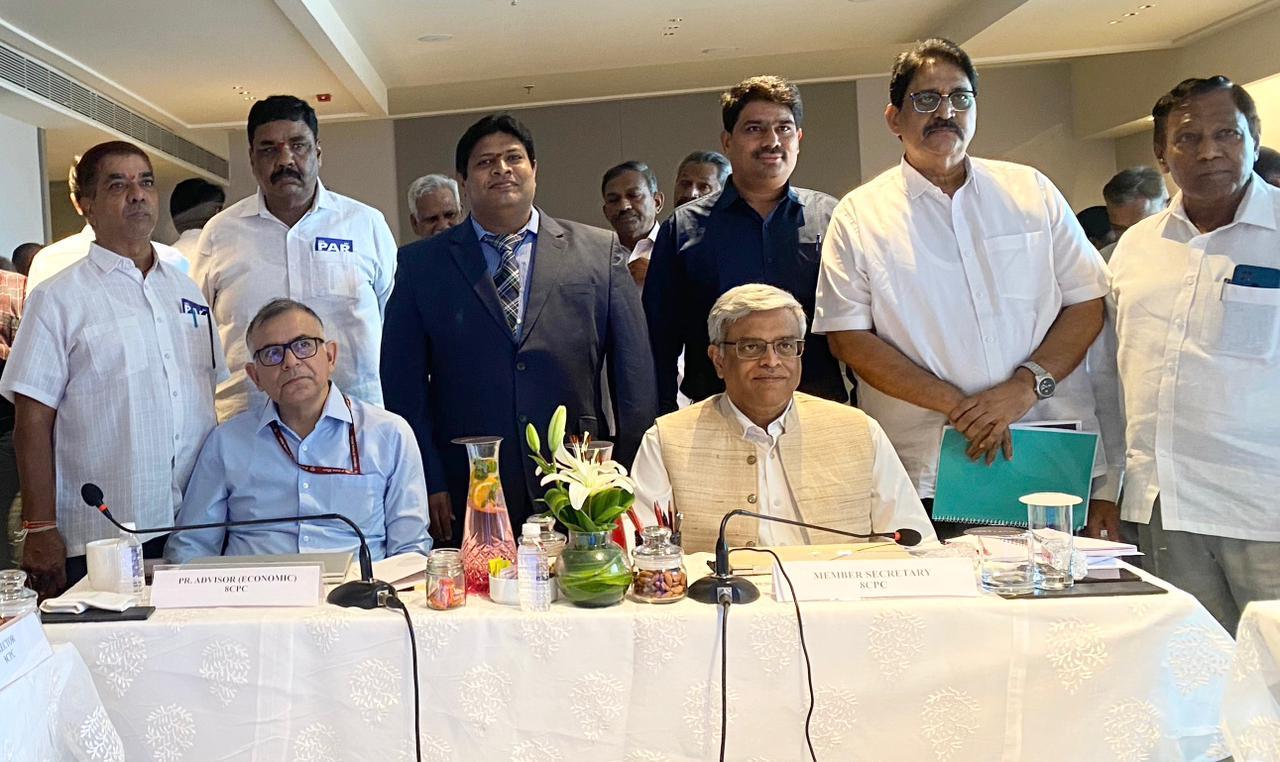
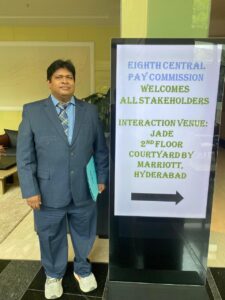
The Veterinary Association of India (VAI) strongly presented the long-pending issues, professional concerns, and legitimate demands of veterinary doctors before the 8th Central Pay Commission (8th CPC), the highest national body constituted to review the pay structure and service conditions of Central Government employees. The representation was led by Dr. Radhakriisshna Pulikanti, Secretary General of VAI.
The 8th Central Pay Commission, constituted by the Government of India, is headed by former Supreme Court Judge Justice Ranjana Prakash Desai as Chairperson. The Commission also includes Prof. Pulak Ghosh of IIM Bengaluru as Part-Time Member and Shri Pankaj Jain as Member-Secretary. The Commission has been entrusted with reviewing salaries, allowances, pensions, career progression, and service conditions of Central Government employees and pensioners. Its recommendations are expected to significantly influence the future welfare and professional growth of lakhs of employees across the country.
In its detailed policy memorandum, VAI highlighted the critical role played by veterinary professionals in livestock development, rural livelihoods, food security, public health, biosecurity, and the One Health framework. The Association emphasized that veterinarians serve as the backbone of India’s livestock sector and contribute immensely to the national economy and public welfare.
VAI strongly urged the Commission to ensure complete pay parity for veterinary doctors with medical and dental professionals at all levels. The Association also demanded implementation of Dynamic Assured Career Progression (DACP), establishment of a Central Veterinary Service (CVS), continuation of Non-Practicing Allowance (NPA), provision of risk allowance, and incentives for higher education and research qualifications.
The memorandum pointed out that veterinary professionals regularly work under hazardous conditions and remain exposed to several zoonotic diseases such as rabies and brucellosis while safeguarding animal and public health. Despite rendering essential services in disease control, food safety, pandemic preparedness, and rural development, many veterinary professionals continue to face disparities in pay, promotions, institutional recognition, and career advancement.
VAI further highlighted the enormous significance of the livestock sector, which contributes nearly 30–32% of Agricultural GDP and supports millions of rural households across India. The Association stated that the remarkable growth of milk, egg, meat, and livestock production in the country has been possible largely because of the dedicated services of veterinary professionals.
Speaking on the occasion, Dr. Radhakriisshna Pulikanti stated that the issues of veterinarians are not merely service-related matters, but are closely linked to farmers’ welfare, national food security, public health resilience, and India’s economic development. He emphasized that strengthening veterinary services is essential for building a healthier, safer, and more prosperous nation.
The representation made by the Veterinary Association of India before the 8th Central Pay Commission has generated hope and confidence among veterinary professionals across the country. VAI expressed optimism that the Commission would take progressive and historic decisions to ensure justice, dignity, and institutional strengthening for the veterinary fraternity.