

Climate-Smart Dairy Farming: Pathways to Sustainable Rural India
Dr. Praveen Kumar Agrawal
1Assistant Professor, Department of Animal Nutrition, Apollo Collage of Veterinary Medicine (ACVM), Jaipur
Corresponding Author: – Dr. Praveen Kumar Agrawal
Email: – agrawalpraveen1998@gmail.com
Introduction
India is the world’s largest milk producer, contributing more than 24 percent of global milk production. Dairy farming supports millions of rural households and remains one of the most important pillars of the Indian agricultural economy. For small and marginal farmers, livestock acts as a source of daily income, nutritional security, women’s empowerment, and social resilience. However, climate change is increasingly threatening the sustainability of India’s dairy sector. Rising temperatures, erratic rainfall, prolonged droughts, declining fodder availability, water scarcity, and increased disease outbreaks are affecting livestock productivity across the country. Heat stress alone is estimated to reduce milk production significantly in tropical regions. In this context, sustainable dairy farming models are emerging as a crucial pathway for building a climate-resilient India. These models combine ecological sustainability, economic viability, animal welfare, and technological innovation to create dairy systems that can withstand environmental and market shocks. This article explores sustainable dairy farming approaches suitable for India, their benefits, challenges, and policy implications for the future.
Climate Challenges Facing Indian Dairy Farming
India’s dairy sector is highly vulnerable to climate variability because most dairy production depends on smallholder farmers with limited resources. Several interconnected challenges are affecting dairy sustainability.
- Heat Stress in Livestock
High temperatures reduce feed intake, fertility, immunity, and milk yield in cattle and buffaloes. Heat stress is becoming more severe due to rising global temperatures and urban heat islands. Studies show that milk yield may decline by 10–25 percent during extreme summer conditions.
- Water Scarcity
Dairy farming requires significant water for animals, fodder cultivation, and sanitation. Groundwater depletion in states like Rajasthan, Punjab, Haryana, and Gujarat threatens long-term sustainability.
- Fodder Deficiency
India faces a chronic shortage of green fodder, dry fodder, and concentrate feed. Climate-induced droughts further reduce fodder availability and quality.
- Greenhouse Gas Emissions
Livestock contributes methane emissions through enteric fermentation and manure decomposition. Unsustainable dairy practices can worsen environmental degradation.
- Disease Outbreaks
Changing climatic conditions increase the spread of vector-borne diseases such as lumpy skin disease, foot-and-mouth disease, and mastitis. These challenges demand innovative and sustainable dairy models tailored to Indian conditions
What is Sustainable Dairy Farming?
Sustainable dairy farming refers to livestock production systems that:
- Maintain long-term productivity
- Reduce environmental impact
- Improve animal welfare
- Enhance farmer income
- Use natural resources efficiently
- Build resilience against climate change
A climate-resilient dairy system should balance economic growth with ecological sustainability and social equity.
Sustainable Dairy Farming Models for India
- Integrated Crop–Livestock Farming System
One of the most successful sustainable models in India is the integrated crop-livestock system.
In this model:
- Crop residues are used as animal feed
- Animal manure is used as organic fertilizer
- Biogas slurry enriches soil fertility
- Farm waste is recycled within the system
This circular economy approach minimizes waste and reduces dependence on chemical fertilizers.
Benefits
- Reduced production costs
- Improved soil health
- Better nutrient recycling
- Diversified farm income
- Lower greenhouse gas emissions
States such as Karnataka, Gujarat, and Tamil Nadu have demonstrated successful integration of dairy with crop farming.
- Indigenous Breed-Based Dairy Farming
Indigenous cattle breeds such as Gir, Sahiwal, Red Sindhi, Tharparkar, and Rathi are better adapted to Indian climatic conditions than many exotic breeds.
These breeds possess:
- Heat tolerance
- Disease resistance
- Lower maintenance costs
- Ability to survive under low-input systems
Although exotic breeds may yield more milk under ideal conditions, indigenous breeds are often more sustainable in harsh climates.
Climate Resilience Advantage
Native breeds can better withstand:
- Heat waves
- Water shortages
- Poor-quality fodder
- Tropical diseases
Promoting indigenous germplasm conservation is therefore critical for sustainable dairy development.
- Organic Dairy Farming
Organic dairy farming avoids synthetic chemicals, antibiotics, and hormone-based production systems.
Key features include:
- Natural feed systems
- Organic fodder cultivation
- Ethical animal management
- Reduced chemical inputs
Organic dairy products are gaining popularity among health-conscious consumers in urban India.
Environmental Benefits
- Lower soil and water pollution
- Reduced chemical runoff
- Enhanced biodiversity
- Improved soil carbon sequestration
However, certification costs and market access remain challenges for small farmers.
- Climate-Smart Dairy Farming
Climate-smart dairy farming integrates adaptation and mitigation strategies.
Important practices include:
- Heat-resistant sheds
- Water-efficient systems
- Precision feeding
- Solar-powered dairy units
- Weather-based livestock advisories
Example Practices
- a) Scientific Housing
Well-ventilated sheds with cooling systems reduce heat stress.
- b) Precision Nutrition
Balanced feeding improves milk productivity while reducing methane emissions.
- c) Renewable Energy
Solar-powered milk chilling units and biogas plants reduce fossil fuel dependence.
- d) Water Harvesting
Rainwater harvesting supports fodder and livestock needs during dry periods.
- Community-Based Dairy Cooperatives
The cooperative dairy model pioneered by the White Revolution transformed rural India.
Organizations like:
- Amul
- Mother Dairy
- National Dairy Development Board
Have empowered millions of small farmers.
Why Cooperatives Matter
Cooperatives improve:
- Market access
- Veterinary services
- Credit availability
- Insurance support
- Milk pricing transparency
Climate resilience increases when farmers share infrastructure and resources collectively
- Silvopastoral and Agroforestry Models
Silvopastoral systems combine trees, fodder crops, and livestock on the same land.
These systems:
- Improve biodiversity
- Reduce soil erosion
- Enhance carbon storage
- Provide shade for animals
Tree species such as Subabul, Sesbania, Neem, and Moringa are useful in dairy agroforestry systems.
This model is especially suitable for semi-arid regions of Rajasthan and central India
Role of Technology in Sustainable Dairy Farming
Technology is becoming central to climate-resilient dairy systems.
Digital Dairy Solutions
Mobile applications provide:
- Disease alerts
- Weather forecasts
- Feed management advice
- Artificial insemination support
Internet of Things (IoT)
Smart dairy systems use:
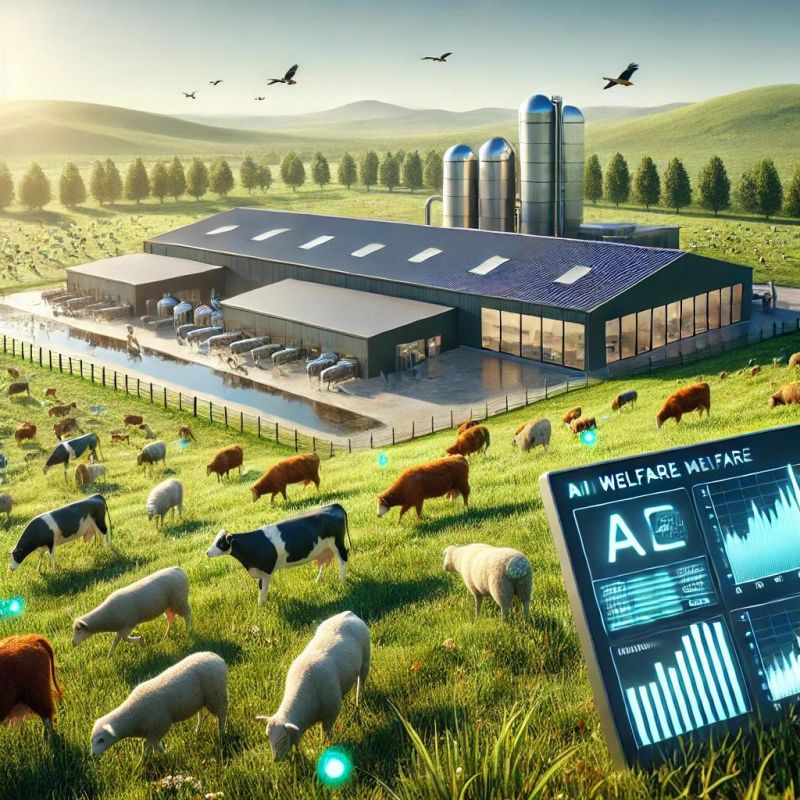
- Sensors for animal health monitoring
- Automated feeding systems
- Milk quality tracking
Artificial Intelligence
AI can predict:
- Disease outbreaks
- Heat stress risks
- Breeding performance
Technology improves productivity while reducing resource wastage
Women and Sustainable Dairy Development
Women play a vital role in India’s dairy economy. They are involved in:
- Feeding animals
- Milking
- Fodder collection
- Calf care
- Marketing
Sustainable dairy farming strengthens rural women’s economic participation and financial independence.
Self-help groups and women-led cooperatives are proving highly effective in promoting climate-resilient dairy practices.
Government Initiatives Supporting Sustainable Dairy Farming
The Government of India has launched several programs to strengthen dairy sustainability.
Important Initiatives
Rashtriya Gokul Mission
Promotes indigenous cattle breeding and conservation.
National Programme for Dairy Development
Improves milk procurement and dairy infrastructure.
Dairy Entrepreneurship Development Scheme
Supports small dairy enterprises.
National Livestock Mission
Enhances fodder development and livestock productivity.
Gobardhan Scheme
Promotes biogas and organic manure production from cattle waste.
These programs aim to improve sustainability, rural livelihoods, and environmental outcomes.
Economic Importance of Sustainable Dairy Systems
Sustainable dairy farming contributes significantly to:
- Rural employment
- Poverty reduction
- Nutritional security
- Women empowerment
- Agricultural diversification
Unlike seasonal crop farming, dairy provides daily cash flow, which helps farmers manage financial risks.
Climate-resilient dairy systems also reduce vulnerability to agricultural failures caused by droughts or floods.
Challenges in Adopting Sustainable Dairy Models
Despite their benefits, sustainable dairy systems face several obstacles.
Key Challenges
Limited Awareness
Many farmers lack knowledge about climate-smart dairy techniques.
Financial Constraints
Initial investments for infrastructure, cooling systems, or biogas units can be expensive.
Poor Veterinary Access
Remote villages often lack quality animal healthcare services.
Market Barriers
Organic and sustainable dairy products still face marketing and certification issues.
Fragmented Land Holdings
Small land sizes limit fodder cultivation and mechanization.
Addressing these barriers requires institutional support and policy innovation.
The Way Forward
India’s future dairy growth must focus not only on higher milk production but also on sustainability and resilience.
Key priorities include:
- Promoting indigenous breeds
- Expanding fodder security programs
- Encouraging renewable energy use
- Supporting women dairy farmers
- Investing in rural veterinary infrastructure
- Strengthening dairy cooperatives
- Expanding climate-smart technologies
- Improving farmer training and extension services
Public-private partnerships and community participation will be essential for scaling sustainable dairy systems nationwide.
Conclusion
Sustainable dairy farming is no longer an option but a necessity for climate-resilient India. As climate change intensifies, traditional dairy systems must evolve toward environmentally responsible, economically viable, and socially inclusive models.
Integrated farming systems, indigenous breeds, climate-smart technologies, renewable energy, and cooperative institutions together offer a strong pathway for transforming India’s dairy sector.
A resilient dairy economy can not only secure rural livelihoods but also strengthen national food security, ecological balance, and sustainable development goals. With the right policies, investments, and farmer participation, India can lead the world in sustainable dairy transformation.
References
- Food and Agriculture Organization (FAO). Climate Change and the Global Dairy Sector. Rome: FAO.
- Government of India, Department of Animal Husbandry and Dairying. Basic Animal Husbandry Statistics.
- National Dairy Development Board (NDDB). Indian Dairy Sector Overview.
- Intergovernmental Panel on Climate Change (IPCC). Climate Change and Agriculture Reports.
- Birthal, P. S., and Jha, A. K. “Economic Losses Due to Climate Change in Indian Livestock Sector.” Indian Journal of Agricultural Economics.
- Thorpe, A. “Enteric Fermentation and Methane Emissions in Livestock Systems.” Livestock Science Journal.
- Dairy Development’s Impact on Poverty Reduction.
- Ministry of Agriculture and Farmers Welfare, Government of India. National Livestock Mission Guidelines.
- National Dairy Development Board
- Department of Animal Husbandry and Dairying, Government of India
- Food and Agriculture Organization (FAO) Dairy Resources
- IPCC Reports