

Role of Indigenous Breeds in Sustainable and Climate
Dr. Tarini Naik
M.V.Sc. (Animal Nutrition)
Veterinary Assistant Surgeon
Livestock Development Department, Chhattisgarh (India)
Abstract
Indigenous breeds play a crucial role in sustainable and climate resilience. These breeds are well adapted to local climates, harsh weather conditions and low input fodder. They are also resistant to various diseases. Milk obtained from indigenous breeds, particularly A2 milk, is known for its health benefits and lower lactose content. Indigenous cattle contribute to biodiversity and ecosystem. Their dung and urine serve as natural fertilizers, which improves soil health. Apart from this indigenous breeds also have socio-economic and cultural values. The conservation and improvement of indigenous cattle breeds are essential for the sustainability of India’s dairy sector. Various conservation strategies like genomic advancements, artificial insemination and cryopreservation provide potent tools for maintaining genetic diversity and increasing productivity.
Keywords: Indigenous, sustainable, climate resilience, biodiversity, ecosystem.
Introduction
In developing countries like India, indigenous breeds of livestock are foundational to sustainability of animal husbandry. Their natural genetic adaptability allows them to thrive on poor quality fodder, harsh weather conditions, natural immunity against various diseases making them for mitigating the effect of climate change thus help in maintaing climate resilience and sustainability. India currently has 55 registered indigenous cattle breeds and 22 registered indigenous buffalo breeds (NBAGR, 2026). Average temperature measurement at the Earth’s surface show it has risen by about 1.34 to 1.41 °C since the pre-industrial period (WMO 2025). Each of the last three decades have been hotter than the previous one and the last 10 years (2015-2024) were the warmest 10 years on record (Kendon et al. 2025). Various adaptation strategies such as genetic selection for heat resilience, improved housing and feeding strategies, and disease monitoring can be valid options for mitigating adversities induced from climate change, their success will largely depend on proactive policy implementation, continued financial support, and research efforts (Anuta et al, 2025).
As per annual report of 2025-26, Department of Animal Husbandry and Dairying, Ministry of Fisheries, Animal Husbandry and Dairying, Government of India livestock sector contributes significantly accounting for 30.87% of agricultural GVA (Gross Value Added) and 5.5% of the national economy at current prices in 2023-24. Livestock dung is emerged as a significant contributor to GVA of Livestock sector. It’s contribution to GVA was Rs.92,958 crore in 2023-24 which was Rs.45,455 crore in 2014-15. Over the decade from 2014-15 to 2024-25, milk production grew steadily at a compound annual rate (CAGR) of 5.41%, reaching a record high of 247.87 million tonnes in 2024-25. India’s milk production is primarily sourced from buffaloes, cattle, and goats.(Figure 1) (Annual Report 2025-26, DAHD, Govt of India)
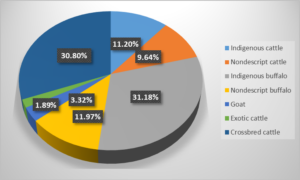
Figure 1- Percentage share of milk production during Year 2024-25 (Annual Report 2025-26, DAHD, Govt of India)
Indigenous breeds in sustainability:
Heat and drought tolerance– Indigenous breeds have evolved over many years, surviving due to their adaptability to harsh and adverse climatic conditions, ability to thrive on poor quality feed and fodder and resistance to various kind of diseases etc. Indigenous livestock breeds of India possess unique metabolic traits and sweat gland mechanisms and has a relative lower body weight and larger surface area to dissipate heat than exotic cattle. The temperature–humidity index (THI), which is the most widely applied metric of heat stress in livestock, combining ambient temperature and relative humidity into a single value that reflects the effective thermal load. A common version of the equation is expressed as:
THI =0.8×Tdb +(RH/100)×(Tdb -14.4) + 46.44
where Tdb represents the dry-bulb air temperature (◦C), reflecting the ambient thermal load experienced by the animal, while RH denotes the relative humidity (%), accounting for the air’s moisture content and its role in limiting evaporative cooling (Mader et al. 2006; Kovacs et al. 2018).
Certain livestock breeds are adapted to hot and humid conditions, and these breeds have genetics that could be useful in a changing climate (Elayadeth-Meethal et al., 2023). Several genes expression has been discovered as a useful biomarker for high ambient temperature. A dwarf variety of ruminants, has been identified as an indicator-tolerant population (Eisler et al., 2014). In cattle, the HSPA1A gene is located on chromosome 23 (Kerekoppa et al., 2015). Elayadeth-Meethal et al., 2023 study, the responses to heat exposure of heat-tolerant Vechur and Kasaragod cattle found in Kerala state in India (also known as dwarf Bos taurus indicus) were compared to crossbred cattle (crosses of Bos t. taurus with Bos t. indicus). and characterized HSPA1A mRNA in Vechur cattle and performed molecular clock analysis which revealed divergent adaptive evolution of Vechur cattle to B. t. taurus, with adaptations to the high temperatures and humidity that has been prevalent in their breeding tract.
During hot and humid summer season in Assam, India, there is an increase in the production of different antioxidants enzymes such as SOD (Superoxide Dismutase), GSH-Px (Glutathione Peroxidase) and CAT (Catalase) in zebu cattle which might be attributed to the adaptation and the acclimatization of the animals towards the thermal stress of the summer season (Chetia et al., 2017). The presence of specifically eumelanin gene intensifies skin pigmentation and helps in photoprotection because of its efficiency in blocking ultraviolet rays (UV) and scavenging reactive oxygen species (Choudhary et al., 2017).
Zebu cattle are also well adapted to drought condition. Their physiological adaptation, such as larger number of sweat gland and muscular hump, help them to dissipate heat and survive in low water availability.
Low-Input Requirements: Indigenous breed can thrive on poor quality feed and fodders. They require significantly less water and feed as compare to high-yield, exotic breeds. Feeding practices play a significant role in animal production and health as it contributes 70 to 75 per cent of total production cost. Using unconventional feed resources for livestock feeding, the competition between humans and animals for food can be minimised and help in economic and effective feeding of indigenous animals. Paddy and wheat straw is most commonly used in many regions of India. Significant reduction in dry matter intake by indigenous breeds allows them to thrive in harsh environmental conditions (Patil and Udo, 1997).
Disease Resistance: Resistance to diseases is an important economic trait in livestock. Indigenous breeds have natural immunity to region-specific pathogens and exhibited high resistance to parasitic and various tick-borne protozoan diseases. Velusamy et al. (2014) reported influence of breed in the occurrence of haemoprotozoan diseases and observed that there was a significantly high prevalence of haemoprotozoan diseases in Holstein Friesian (HF) and Jersey crossbred cattle than indigenous breeds .
Organic Fertilization: Indigenous breed are well suited for organic farming which requires minimum inputs and promoting use of natural resources. Manure and urine from indigenous cattle is highly nutrient-dense, promoting natural soil health and fertility by improving its chemical, physical, and biological properties, which reduces the need for chemical fertilizers in agricultural farming.
A2 milk: Cows milk containing A1 or A2 β-casein. However, the casein protein variant differs at amino acid position 67. A1 milk contains histidine, while A2 milk contains proline. These differences influence the release of β-casomorphin-7 (BCM-7) in higher levels during digestion (Cattaneo et al. 2023). It is reported that A2 milk releases significantly less BCM-7 compared to A1 milk due to its proline structure, which reduces potential absorption and associated adverse outcomes. (Cattaneo et al. 2023; Lambers et al. 2021; Daniloski et al .2021; Asledottir et al. 2017).
Role of Indigenous breed in Climate :
Role of livestock in carbon emissions: Livestock is a significant contributor to global greenhouse gas emissions. the carbon dioxide equivalent is a standard unit used to account for the global warming potential (IPCC, 2013). Methane, produced mainly through enteric fermentation in ruminant, has a global warming potential 28 times higher than carbon dioxide. Nitrous oxide, arising from manure storage and the use of fertilizers, has a global warming potential 265 times higher than carbon dioxide. Emission from livestock sector’s as a result of enteric fermentation, manure management, and grazing, mitigation strategies are essential to reduce green house gas emissions and ensure climate resilience and sustainable food production.
Indigenous Breeds in carbon emission reduction:
Reduce enteric emission: Quality of fodder and their digestibility also significantly affect enteric methane production. As plant grows lignin content increases which consequently reducing plant digestibility. Physical processing of forages, such as chopping, grinding, steam treatment improves forage digestibility and mitigates enteric methane production in ruminants (Hristov et al., 2013). Fodder to concentrate ratio has to be also taken into consideration to decrease methane emission. A marked reduction of enteric methane can be expected with rates of concentrate inclusion between 35% and 40% (Gerber et al., 2013).
Addition of fats or fatty acids to the ruminants diet can also helpful in reducing enteric methane emissions by both decreasing the proportion of energy supplied from fermentable carbohydrates and changes in the microbial population of the rumen (Llonch et al., 2017). Lipid diet supplementation between 5% and 8% of the dry matter intake is also an effective mitigation strategy (Grainger and Beauchemin, 2011).
Feed additives such as ionophoric antibiotics, chemical inhibitors, etc. also potential to decrease methane emissions.
Purnachandra et al. (2019) reported that a complete feed block enriched with tamarind seed husk has been developed by the Institute ICAR-NIANP and shown to have decreased methane production up to 20% with inclusion in the livestock feed .
Nitrous oxide emissions are emitted when organic and inorganic fertilizers are applied to the soil (Grossi et al., 2019). Therefore in addition to greenhouse gases emitted from enteric fermentation in ruminants and manure storage, fodder production along with the related soil carbon dioxide and nitrous oxide emissions is another important focal point for the livestock sector. Feed production and processing contribute about 45% of the whole sector (3.2 Gigatonnes of carbon dioxide equivalents). Enteric fermentation producing about 2.8 Gigatonnes (39%) is the second largest source of emissions. Manure storage with 0.71 Gigatonnes accounts for about 10% of the total. The remaining 6% (0.42 Gigatonnes of carbon dioxide equivalents) is attributable to the processing and transportation of animal products (Gerber et al., 2013) (Figure-2).
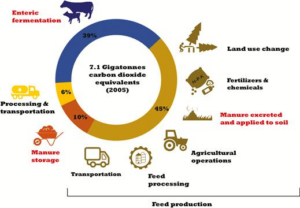
Figure 2- Emissions from the livestock sector and feed production (Gerber et al., 2013)
Genetic Resilience: Indigenous breeds of livestock are naturally adapted to heat stress, drought conditions, diseases and various parasites. Their genetic resilience minimizes mortality, reduces medical intervention and indirectly reducing emissions. Kosali breed of cattle of Chhattisgarh represent a perfect example of climate-resilient, low-cost, and disease resistance indigenous livestock.
Nutrient Cycling: Manure from indigenous livestock improves soil organic carbon. These processes reduce the need for chemical fertilizers, which is a major source of agricultural greenhouse gases and help in environment sustainability. Dung beetles belonging to Scarabaeidae (Scarabaeinae, Aphodiinae, and Geotrupidae) play a crucial role in decomposing dung in both temperate and tropical agricultural grasslands (Kaartinen et al., 2013). Penttila et al. (2013) reported that dung beetles decreased methane (CH4) emissions from cattle dung pats by reducing anaerobic decomposition and methanogenesis.
Socioeconomic Importance of indigenous breed :
Livelihood Security and Economic Stability: Indigenous breeds are the backbone of rural economies, providing income through various livestock activities and milk production and contribute to the local economy. Indigenous breeds act as “mobile banks” for small and marginal farmers. These breeds are highly adapted to local environments, harsh climatic conditions, thrive on low quality feed and medical intervention, as compared to exotic breeds. Apart from milk, these animals also have draught power for agriculture purpose.
Women’s Empowerment: Women constitute half of the population, and their empowerment is a matter of global concern. Increased participation of women in livestock production has been associated with improved management of livestock assets and enhanced food security (Valdivia 2001). In many rural areas, indigenous breed rearing are managed by women, which providing supplementary income with direct nutritional benefits. Women as livestock keepers and their contributions in our community can lead to gender equality and ultimately women empowerment.
Cultural Importance:
In India indigenous livestock are key to the festivals and cultural heritage of many communities and are frequently utilized in traditional ceremonies and marriage rituals. Festivals like Govardhan Pooja and Gopashtami which are celebrated in India are centered on the cow (Agoramoorthy et al. 2012). Rituals in Hindus is considered to be incomplete without panchgavya, the mixture of five products of cow-milk, curd, ghee, dung and urine. Thus, in India, indigenous cow is important not only for the milk and manure but also have significance for its cultural importance.
Conservation efforts required :
Indigenous breed faces severe threats from crossbreeding and urbanization. Therefore conservation practices are essential to preserve the indigenous genetic resource for sustainable and resilient livestock husbandry. Indigenous breeds, well-suited to India’s different agro-climatic conditions, possess disease resistance, climatic resilience, and required low-input for maintenance. There is a need for a clearly defined breeding policy to promote animal productivity and conservation of indigenous genetic resources. The National Bureau of Animal Genetic Resources (NBAGR) is responsible for identifying the indigenous breeds and their native tracts. In these identified zones, the breeding plan focuses towards pure breeding for known indigenous breeds and could controlled crossbreeding for non-descript populations if required (NBAGR, 2021). Genomic advancements, artificial insemination and cryopreservation provide potent tools for both saving genetic diversity and increasing productivity. Government programs such as the Rashtriya Gokul Mission and National Genomic Selection Plan are laudable steps to link traditional knowledge with scientific research (Arya and Godbole, 2025).
Conclusion
Indigenous breeds of India represent a perfect example of climate-resilient, low-cost, and multidimensional indigenous livestock. Their conservation can help India to meet both climate resilience and sustainability.
References
Agoramoorthy, G. and Minna, J. 2012. The significance of cows in Indian society between sacredness and economy. Anthropological Notebooks. 18(3): 5–12.
Anuta, A., Wang, X. and Kinay, P. 2025. The impacts of climate change on livestock: An interdisciplinary, scoping review of health, production, and adaptation strategies. Climate Smart Agriculture. 2. 100082.
Annual Report 2025-26.Department of Animal Husbandry and Dairying Ministry of Fisheries, Animal Husbandry and Dairying Government of India.
Arya, A. and Godbole, P. 2025. Indigenous Breed Conservation And Genetic Improvement Strategies. Agrospheres:e- Newsletter. 6(8), 15-20.
Asledottir, T., Le, T.T., Petrat-Melin, B., Devold, T.G., Larsen, L.B. and Vegarud, G.E. 2017. Identification of bioactive peptides and quantification of β-casomorphin-7 from bovine β-casein A1, A2 and I after ex vivo gastrointestinal digestion. International Dairy Journal:71:98–106.
Cattaneo, S., Masotti, F., Stuknytė, M. and De Noni, I. 2023. Impact of in vitro static digestion method on the release of β-casomorphin-7 from bovine milk and cheeses
with A1 or A2 β-casein phenotypes. Food Chemistry. 404:134617.
Chetia,M., Sarma,S.,Nath, R. and Tamuly, S.2017.Studies on the seasonal variations in the antioxidant enzymes in Indian zebu cattle. Journal of Entomology and Zoology Studies. 5(2): 1362-1365
Choudhary, R., Goud, T.S., Kumar, A., Sharma, A.K., Singh, S.V., Upadhyay, R.C., Mohanty, A.K. and Kumar, S. 2017. Heat stress induced adaptation in melanocytes is dependent on the level of melanin and reduction of apoptosis. Journal of Dermatological Science. 85(3):250-252.
Daniloski, D., Cunha, N.M.D., McCarthy, N.A., O’Callaghan, T.F., McParland, S. and Vasiljevic, T. 2021. Health-related outcomes of genetic polymorphism of bovine
β-casein variants: A systematic review of randomised controlled trials. Trends